
Sweet cheese ring cakes
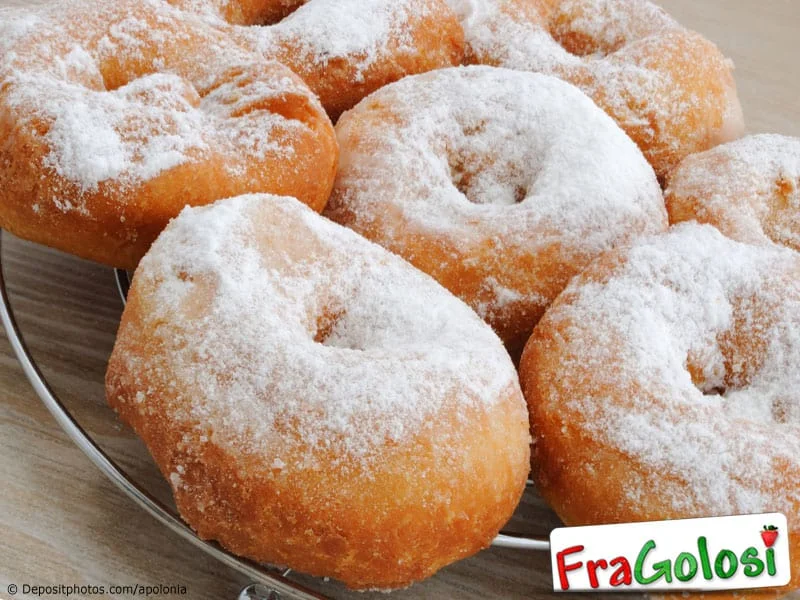
These Italian fried cheese ring cakes are made with a potato-enriched dough and grated Grana, then finished with a dusting of sugar. Serve them warm for breakfast or an afternoon snack, with jam or a spread alongside.
Ingredients
- 250 gpotatoes
- 500 gplain flour
- 50 gbutter
- ½ tablespoonsugar
- 2eggs
- a finger's depthmilk
- a pinchsalt
- ½ cubefresh yeast
- 100 ggrated Grana cheese
- as neededpeanut oil
- as neededgranulated sugar
Instructions
- 1
Cook the potatoes
Peel the potatoes and boil them in salted water until tender. Pass them through a potato ricer.
- 2
Cool the purée
Put the potato purée in a bowl and leave it to cool.
- 3
Dissolve the yeast
Stir the yeast and sugar into a finger's depth of lukewarm milk until dissolved.
- 4
Prepare the worktop
Tip the cooled purée onto a floured work surface.
- 5
Mix the dough
Make a space in the purée and add the sweetened yeast mixture, eggs and grated Grana. Begin mixing, gradually drawing in the flour.
- 6
Knead until smooth
Repeatedly knock the dough against the work surface and knead until smooth and even.
- 7
Shape the rings
Cover the dough and leave it to rest for 1 hour. Shape it into small rings.
- 8
Let them rise
Cover the rings and leave them to rise for another hour.
- 9
Fry the rings
Fry the cheese rings in plenty of hot oil, then drain them on kitchen paper.
- 10
Add the sugar
Dust the rings with granulated sugar.
What are sweet cheese ring cakes?
These ciambelline are small Italian ring-shaped cakes made from a yeasted dough, fried and sugared. This version combines potato with grated Grana, giving the dough a savoury cheese note beneath its sweet finish.
Potato-based doughs are found in several Italian home-baking traditions; the recipe here keeps the method simple, relying on two rises and hot-oil frying for its light, tender centre.
Nutrition and macros by portion
The nutrition label shows one serving as written: 850 calories, 25g protein, 119g carbs, 29g fat.
| Portion | Adjustment | kcal | Protein | Carbs | Fat |
|---|---|---|---|---|---|
| Lighter | Smaller rings, less sugar | 595 kcal | 18g | 83g | 20g |
| This serving | As written | 850 kcal | 25g | 119g | 29g |
| Hungry | Larger portion | 1275 kcal | 38g | 179g | 44g |
The flour and potatoes provide most of the carbohydrates, while the eggs and Grana contribute protein. Butter and the oil absorbed during frying contribute much of the fat, so the total can vary with how thoroughly the rings drain. Pair a serving with fruit or yoghurt for a more balanced breakfast or snack.
The potato and cheese
Potatoes: boil them until tender, then rice them so the purée is fine and easy to mix into the dough. Let it cool before combining it with the yeast mixture and eggs.
Grana: finely grated cheese is easier to distribute evenly through the dough. Its savoury flavour balances the final coating of sugar.
Mixing and kneading
Gradual flour: add it little by little as the recipe directs, mixing as you go. This helps bring the potato, eggs and yeast together into a cohesive dough.
Smooth dough: knead and knock it against the work surface until no uneven patches remain. The recipe lists butter but does not specify when to add it, so its method leaves that detail unclear.
Two rises matter
First rest: cover the dough and leave it for 1 hour before shaping. This gives the yeast time to work through the dough.
Second rise: cover the shaped rings and leave them for another hour. Keep them covered so their surfaces do not dry out while they rise.
Frying and doneness
Hot oil: use plenty, as the recipe specifies, and fry the rings until cooked through and golden. The method gives no exact temperature or frying time, so watch their colour and avoid letting them darken before the centres are done.
Draining: lift the rings onto kitchen paper after frying to remove excess oil, then add the sugar while they are still warm so it clings.
How to serve them
Serve the rings warm, when their centres are at their softest and the sugar coating is fresh. Jam or a favourite spread makes a simple accompaniment.
Their cheese flavour also suits a lightly sweetened breakfast table; keep any extra sugar or spreads on the side so everyone can choose how much to add.
Recipe notes & tips
- Let the potato purée cool before mixing it with the yeast so it does not expose the yeast to excess heat.
- Rice the boiled potatoes while they are soft to make a smooth purée.
- Keep the rings covered during both rises to prevent a dry skin forming.
- Fry a test ring first to check that the oil is hot enough for the outside to colour while the centre cooks.
- Drain the fried rings on kitchen paper before sugaring them.
Variations
- Citrus sugar: mix finely grated lemon zest into the sugar for a fresh aroma.
- Jam filling: serve with a little thick jam on the side rather than adding it to the dough.
- Spiced sugar: stir a pinch of cinnamon into the finishing sugar.
- Smaller rings: shape bite-sized rings and keep a close eye on them as they fry.
- Extra cheese: add a little more finely grated Grana for a more savoury flavour, keeping in mind that this changes the dough balance.
Common mistakes to avoid
- Hot potato purée: it can affect the yeast; let the purée cool before mixing.
- Uneven purée: lumps make the dough harder to bring together; rice the potatoes thoroughly.
- Drying dough: uncovered dough can form a skin; cover it during both rests.
- Oil not hot enough: the rings may absorb more oil; let the oil heat before frying and test one first.
- Over-darkening: the outside can colour before the centre cooks; adjust the heat and watch the first ring closely.
How to store
Cool completely and keep in an airtight container at room temperature for up to 1 day. Reheat briefly in a low oven to refresh the texture; the sugar coating may need replacing.
Frequently asked questions
Can I prepare the dough ahead?
The recipe specifies two rises of 1 hour each but does not give an overnight method. For the most reliable result, follow those rises and fry the rings on the day.
How do I know the oil is ready?
The recipe gives no temperature, so fry one ring as a test. It should turn golden without darkening too quickly; adjust the heat if needed.
Why is the butter not in the method?
Butter is listed among the ingredients, but the instructions do not say when to add it. The source method leaves this step unspecified.
Can I use a different cheese?
Grated Grana is the cheese specified and gives the rings their characteristic savoury note. A similar hard Italian cheese could be used, though the flavour will differ.
Can I bake the rings instead of frying them?
The provided method is for frying, and it does not give baking instructions. Baking would change the texture and would need a separately tested method.
Cook it from the original
This recipe comes from fragolosi.it. Their page has the author’s own photos, notes and tips — the best place to cook it from.
Open the recipe on fragolosi.it