
Blended almond milk
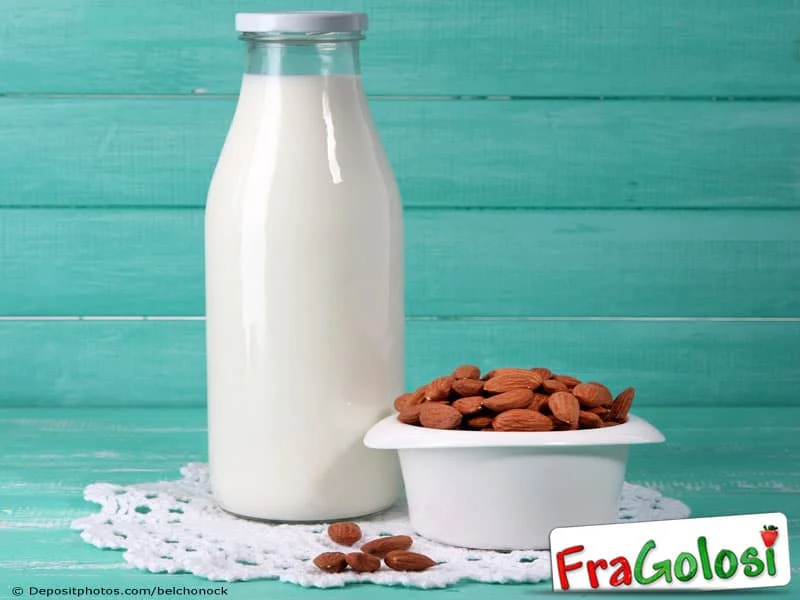
This homemade almond drink is made by blending sweet and bitter almonds with sugar and cold water, then straining the mixture. Make it when you want a fresh, almond-flavoured drink or a plant-based ingredient for baking and smoothies.
Ingredients
- 170 gshelled sweet almonds
- 80 gshelled bitter almonds
- 125 gsugar
- 1 litrecold natural mineral water
Instructions
- 1
Soften the almonds
Soak both types of almond in hot water for about 10 minutes.
- 2
Drain and peel
Drain the almonds, then remove their skins.
- 3
Start the blend
Roughly chop the almonds and put them in a blender or food processor with the sugar and a little cold water.
- 4
Make a paste
Blend thoroughly until the mixture forms a soft paste.
- 5
Blend in pulses
Run the blender intermittently to keep the blades from overheating and drawing oil out of the almonds.
- 6
Strain the mixture
Tip the mixture into a wide-mesh sieve over a tall-sided container and press it with a spoon to extract the liquid.
- 7
Blend again
Return the almonds to the blender, add a little water and blend again.
- 8
Press out the milk
Pour the mixture through the sieve once more and press out the liquid.
- 9
Repeat the extraction
Repeat the blending and straining process twice more, or until no more milk can be extracted from the almonds.
- 10
Chill the drink
Mix the extracted milk with the remaining water, pour it into a bottle and chill it in the fridge.
What is blended almond milk?
This is a homemade almond drink, prepared by blending almonds with water and pressing the liquid through a sieve. Almond-based drinks have a long history around the Mediterranean, where almonds have been used in both sweet and savoury cooking.
Sweet almonds provide the main flavour, while this version also calls for bitter almonds and sugar. Repeated blending and straining helps draw out the almond liquid without needing specialist equipment.
Nutrition and macros by portion
The nutrition label shows one serving as written: 150 calories, 3g protein, 17g carbs, 8g fat.
| Portion | Adjustment | kcal | Protein | Carbs | Fat |
|---|---|---|---|---|---|
| Lighter | Use less added sugar | 105 kcal | 2g | 12g | 6g |
| This serving | As written | 150 kcal | 3g | 17g | 8g |
| Hungry | Pour a larger glass | 225 kcal | 5g | 26g | 12g |
The sugar is the main source of carbohydrate, while the almonds contribute most of the fat and some protein. The exact nutrition depends on how much almond material remains in the sieve; serve a glass alongside a protein-rich food if you want a more filling snack.
Choosing the almonds
Sweet almonds: These make up most of the nut mixture and give the drink its familiar mild, rounded flavour.
Bitter almonds: Use only food-grade bitter almonds that are approved for culinary use in your area, and follow their packaging instructions. Bitter almonds can contain naturally occurring compounds that are unsafe in excess; if you are unsure, make the recipe with sweet almonds only.
Why pulse the blender
Short bursts: Blending intermittently limits heat from the blades, which can cause the almonds to release oil and turn the paste greasy. Pause as needed rather than running the blender continuously.
Soft paste: The first blend should leave the almonds finely broken down and moist. Add only a little water at this stage so the mixture can be pressed effectively.
Getting a good strain
Wide mesh: A sieve with relatively large openings lets the liquid pass through while holding back the coarser almond pieces. Press steadily with a spoon rather than forcing the solids through.
Repeat extraction: Returning the almonds to the blender with a little water loosens more of the liquid. The recipe calls for repeating this process twice more, or until little liquid comes out.
Sugar and water
Sugar: The full 125 g goes into the initial blend, so it sweetens the drink as it is extracted. For a less sweet result, changing the amount would alter the recipe; taste and adjust only if you are happy to depart from it.
Cold water: Use a little for blending and keep the rest to dilute the strained milk at the end. Adding it gradually makes it easier to reach a drinkable consistency.
Serving and using it
Chilled glass: Refrigerating the finished drink lets it cool before serving. Shake the bottle before pouring, as homemade almond drinks can separate during storage.
In recipes: Use it in smoothies, cakes or desserts where an almond note suits the other flavours. It can also be poured over cereal or enjoyed on its own.
Recipe notes & tips
- Use hot water for the initial soak so the skins are easier to remove.
- Keep the water additions small during blending, then use the remainder to dilute the strained drink.
- Scrape the blender sides down between pulses so the almond mixture blends evenly.
- Press the mixture firmly with the back of a spoon to help release its liquid.
- Chill the finished drink before serving and shake the bottle before each pour.
Variations
- Less sweet: Reduce the sugar to suit your taste, bearing in mind this changes the stated recipe.
- Sweet almonds only: Leave out the bitter almonds if you cannot source food-grade bitter almonds.
- Vanilla note: Add a little vanilla to the finished drink for a different flavour.
- Smoothie base: Blend the chilled drink with fruit for an almond-flavoured smoothie.
- Baking ingredient: Use it in place of dairy milk in a cake or dessert recipe where almond flavour works well.
Common mistakes to avoid
- Overheating the almonds: Continuous blending can draw out their oil; use intermittent bursts.
- Adding all the water at once: Keep some back for the final dilution so the paste is easier to blend and strain.
- Skipping the second extraction: Blend the almond solids again with a little water to draw out more liquid.
- Forcing solids through the sieve: Press with a spoon but leave the coarser pieces behind.
- Using unverified bitter almonds: Choose only food-grade product approved for culinary use, or use sweet almonds alone.
How to store
Keep the drink in a clean, sealed bottle in the fridge and use it within 2–3 days. Shake before serving; discard it if its smell or appearance changes.
Frequently asked questions
Can I make this with sweet almonds only?
Yes. The drink will be milder and will not have the flavour contributed by bitter almonds.
Do I have to peel the almonds?
The method calls for peeling them after soaking. This helps keep the strained drink from picking up bits of skin.
What if I do not have a wide-mesh sieve?
Use a fine sieve, though straining may take longer. Press the mixture with a spoon to extract the liquid.
Why blend and strain the almonds several times?
Repeated blending with small additions of water helps extract more liquid from the almond solids.
How can I tell when the extraction is finished?
The recipe suggests repeating the process until pressing the almonds yields little or no more milk.
Will the drink separate in the fridge?
It may separate as it stands. Shake the bottle well before pouring.
Cook it from the original
This recipe comes from fragolosi.it. Their page has the author’s own photos, notes and tips — the best place to cook it from.
Open the recipe on fragolosi.it