
Coconut Tapioca Pudding
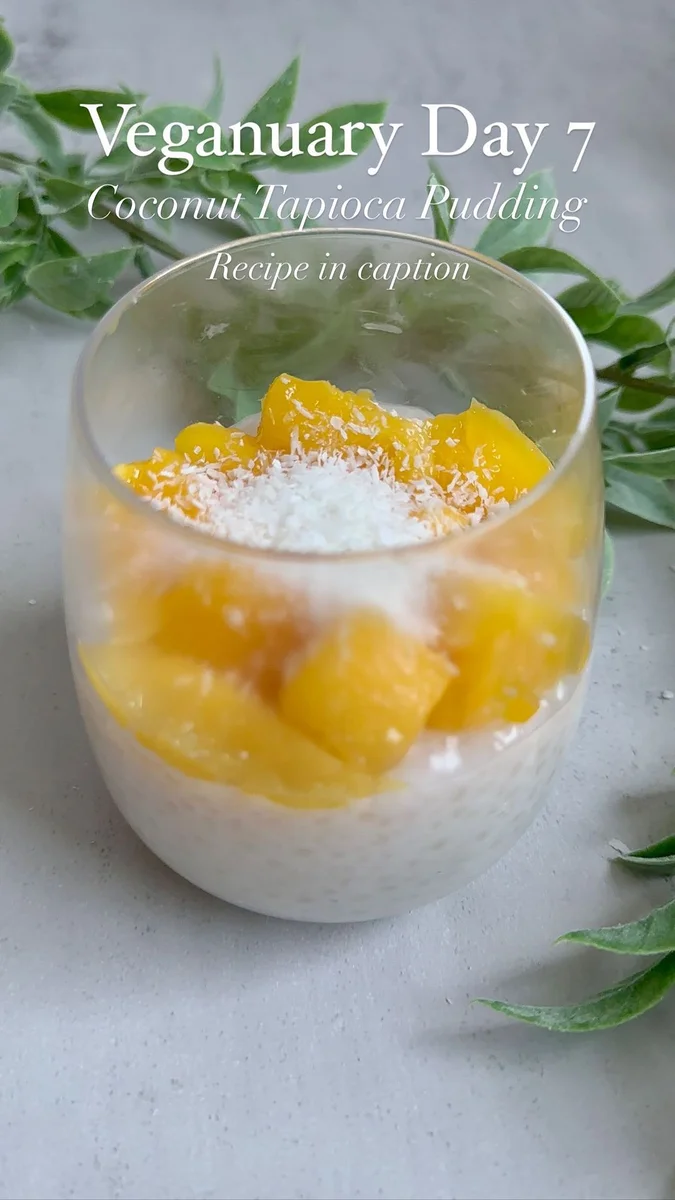
Coconut tapioca pudding is a creamy, sweet dessert made with tapioca pearls simmered in coconut milk. Fresh mango and desiccated coconut add a bright, fruity finish and a little extra texture.
Ingredients
- 720 ml (3 cups)coconut milk
- 240 ml (1 cup), plus 480 ml (2 cups) water for soakingtapioca pearls, washed and soaked
- 335 g (1⅔ cups)white sugar
- to tastefresh mango
- to tastedesiccated coconut
Instructions
- 1
Rinse and soak
Rinse the tapioca pearls until the water runs clear, then soak them in water for about 10 minutes.
- 2
Warm the milk
Pour the coconut milk into a saucepan and warm it.
- 3
Add the tapioca
When the milk is warm, add the tapioca pearls and stir to combine.
- 4
Dissolve the sugar
As soon as the coconut milk begins to bubble, add the sugar and stir well until it has dissolved.
- 5
Cool the pudding
Turn off the heat and leave the pudding to cool.
- 6
Serve with toppings
Spoon the pudding into glasses and top with fresh mango and desiccated coconut.
What is coconut tapioca pudding?
Tapioca pearls are made from cassava starch and become soft and translucent when cooked. Coconut-based tapioca desserts are enjoyed in many tropical cuisines, so this version is best understood as a simple home-style pudding rather than a dish tied to one particular region.
Here, coconut milk gives the pudding its creamy base, while sugar sweetens the pearls and ripe mango brings a fresh contrast. Desiccated coconut adds a gentle chew on top.
Nutrition and macros by portion
The nutrition label shows one serving as written: 820 calories, 5g protein, 120g carbs, 39g fat.
| Portion | Adjustment | kcal | Protein | Carbs | Fat |
|---|---|---|---|---|---|
| Lighter | Less sugar, more mango | 574 kcal | 4g | 84g | 27g |
| This serving | As written | 820 kcal | 5g | 120g | 39g |
| Hungry | Larger pudding portion | 1230 kcal | 8g | 180g | 59g |
Most of the carbohydrates come from the sugar and tapioca, while coconut milk supplies most of the fat and saturated fat. The mango adds some carbohydrate, and the recipe contains little protein; serve a smaller glass with fresh fruit if you want a lighter dessert portion.
Rinse and soak the pearls
Clear rinsing water is the cue to stop washing the pearls. The brief soak softens them before they go into the warm milk.
Soak the pearls in the stated 480 ml of water for about 10 minutes. Drain them before adding if water remains in the soaking vessel.
Warm the coconut milk gently
Warm the milk before adding the pearls, then stir them through so they do not sit in a clump. Keep an eye on the pan as the milk heats.
The method adds sugar once the mixture starts bubbling. Stir until the sugar dissolves rather than letting it settle on the bottom.
Look for a soft, spoonable texture
The recipe gives no exact cooking time, so use the appearance of the mixture as your guide: the pearls should look translucent and the pudding should be evenly mixed. If the pearls still look opaque, continue cooking gently until they soften.
The pudding can thicken as it cools. Let it cool off the heat as directed, then spoon it into glasses.
Balance the sweetness
This recipe uses a generous amount of sugar, so tart or just-ripe mango can provide a useful contrast. Cut the mango into small pieces so there is some fruit in each spoonful.
Add the desiccated coconut just before serving to keep its texture distinct from the soft pudding.
Serve in glasses
Individual glasses make the pudding easy to portion and show off the mango topping. Serve it on its own as a dessert or after a meal with a savoury main.
A small portion of fresh fruit alongside the glass can make the serving feel lighter and add another fresh note.
Recipe notes & tips
- Rinse the pearls until the water runs clear before soaking.
- Stir after adding the pearls so they are distributed through the coconut milk.
- Watch the pan closely as the milk warms and begins to bubble.
- Stir until the sugar has dissolved before turning off the heat.
- Add the mango and desiccated coconut just before serving for a clearer contrast in texture.
Variations
- Use ripe banana: Add sliced banana in place of or alongside the mango.
- Add lime zest: Grate a little zest over the finished pudding for a citrus note.
- Try pineapple: Top each glass with small pieces of fresh pineapple.
- Toast the coconut: Toast the desiccated coconut briefly in a dry pan before sprinkling it on.
- Reduce the sweetness: Use less sugar and taste the pudding before adding any more.
Common mistakes to avoid
- Skipping the rinse: Rinse until the water runs clear so excess surface starch is washed away.
- Adding pearls to cold milk: Warm the coconut milk first, as directed, before stirring in the pearls.
- Leaving the pan unattended: Watch for bubbling and stir regularly to help prevent sticking.
- Stopping before the sugar dissolves: Keep stirring until no sugar remains settled at the bottom.
- Topping too early: Add the mango and coconut when serving so the toppings retain their texture.
How to store
Refrigerate leftover pudding in a covered container and use within 2–3 days. Store the mango separately where possible, and stir the pudding before serving; loosen it with a little coconut milk if it has thickened. Reheat gently in a saucepan or microwave, stirring and avoiding a hard boil.
Frequently asked questions
Do I need to drain the tapioca pearls after soaking?
The method says to soak them in water for about 10 minutes but does not specify draining. If water remains, drain the pearls before adding them to the saucepan so the pudding is not diluted.
How can I tell when the tapioca pearls are cooked?
They should look translucent and feel soft rather than chalky or hard in the centre. The recipe does not give a cooking time, so check the pearls as they cook.
Can I use light coconut milk?
Yes, though the pudding will be less rich and creamy. Choose a coconut milk that you enjoy the taste of on its own.
Can I make this pudding ahead?
Yes. Cool it, cover it and refrigerate it, then add the mango and desiccated coconut when ready to serve.
Why has the pudding thickened after cooling?
Tapioca continues to absorb liquid as the pudding cools, so a thicker texture is normal. Stir in a little coconut milk if you prefer it looser.
Cook it from the original
This recipe comes from fooooods.com. Their page has the author’s own photos, notes and tips — the best place to cook it from.
Open the recipe on fooooods.com