
Roasted Garlic Chickpea Pasta
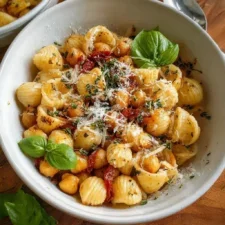
Roasted garlic and chickpeas are blended into a smooth, savoury sauce for pasta, then finished with spinach, lemon and whole roasted chickpeas. It is a comforting meal with bright citrus notes and contrasting creamy and crisp textures.
Ingredients
- 1whole head of garlic
- 1 can (425 g; 15 oz)canned chickpeas, drained and rinsed
- 90 ml (¼ cup plus 2 tablespoons)olive oil
- 450 g (1 lb)dried pasta
- 120 ml (½ cup)vegetable stock
- 1lemon, for juice and zest
- 150 g (5 oz)fresh spinach
- 1 teaspoondried oregano
- ¼ teaspoon, or to tastered pepper flakes
- To tastesalt and freshly ground black pepper
Instructions
- 1
Preheat the oven
Heat the oven to 200°C (400°F).
- 2
Prepare the garlic
Slice ¼–½ inch (about 0.5–1 cm) from the top of the garlic head to expose the cloves, leaving the head unpeeled. Set it on a small piece of foil, drizzle about 1 tablespoon of olive oil over the exposed cloves, and season with a pinch of salt and pepper.
- 3
Season the chickpeas
Drain and rinse the chickpeas, then pat them thoroughly dry. Spread them in a single layer on a rimmed baking sheet, drizzle with 1 tablespoon of olive oil, and toss with the oregano, a generous pinch of salt and black pepper.
- 4
Roast the garlic
Loosely wrap the foil around the garlic and place it on the baking sheet with the chickpeas. Roast for 25–30 minutes, until the garlic is soft, fragrant and golden and the chickpeas are lightly browned with slightly crisp outsides.
- 5
Cool the garlic
Take the baking sheet out of the oven and leave the garlic to cool for a few minutes, until it is safe to handle.
- 6
Squeeze out cloves
Unwrap the garlic and squeeze the base of the head so the soft roasted cloves come out of their skins.
- 7
Blend the sauce
Put the roasted garlic cloves, half the roasted chickpeas, vegetable stock, lemon juice, the remaining ¼ cup of olive oil and the red pepper flakes in a high-speed blender or food processor.
- 8
Make it smooth
Blend on high for 1–2 minutes, until the sauce is pale, velvety and completely smooth. If it is too thick, loosen it with a splash more stock or pasta water from the next step. Taste and add salt and pepper as needed.
- 9
Cook the pasta
While the garlic and chickpeas roast, bring a large pot of well-salted water to a rolling boil. Cook the pasta according to the packet instructions until al dente.
- 10
Save pasta water
Just before draining the pasta, scoop out and reserve about 1–1½ cups of the starchy cooking water.
- 11
Combine and wilt
Drain the pasta and return it to the warm pot. Add the blended sauce, spinach, remaining roasted chickpeas and lemon zest.
- 12
Toss with water
Toss everything vigorously over low heat for about 1–2 minutes. Add the reserved pasta water a splash at a time, about ¼ cup per addition, until the sauce coats the pasta and the spinach has fully wilted.
- 13
Serve straight away
Once everything is combined and heated through, serve the pasta immediately.
What is roasted garlic chickpea pasta?
This is a pasta dish with a blended chickpea sauce rather than a traditional tomato or dairy-based one. Chickpeas and garlic are roasted, then some of the chickpeas are blended with stock, olive oil and lemon into a creamy coating.
The combination draws on familiar Mediterranean ingredients, including olive oil, oregano and lemon. Roasting mellows the garlic, while the reserved whole chickpeas add texture to the finished dish.
Nutrition and macros by portion
The nutrition label shows one serving as written: 600 calories, 20g protein, 0g carbs, 18g fat.
| Portion | Adjustment | kcal | Protein | Carbs | Fat |
|---|---|---|---|---|---|
| Lighter | Less pasta, more spinach | 420 kcal | 14g | 0g | 13g |
| This serving | As written | 600 kcal | 20g | 0g | 18g |
| Hungry | Larger pasta portion | 900 kcal | 30g | 0g | 27g |
The pasta supplies most of the carbohydrates, while olive oil contributes much of the fat; chickpeas add protein as well as some carbohydrates. For a more balanced plate, serve a portion with a side salad or extra vegetables.
Why roast the garlic and chickpeas?
Roasted garlic: exposing the cloves and cooking them in foil makes them soft enough to squeeze from their skins and blend into the sauce.
Dry chickpeas: patting them thoroughly dry before roasting helps them brown rather than steam. Keeping half back from the blender gives the pasta a mix of smooth sauce and whole chickpeas.
Getting the sauce texture right
Blending: give the garlic, chickpeas, stock, oil, lemon juice and chilli 1–2 minutes until no chickpea pieces remain. Add a little extra stock or pasta water if the sauce is too thick to pour.
Pasta water: its starch helps the sauce cling to the pasta. Add it gradually while tossing, stopping once the pasta is coated rather than soupy.
Timing the pasta and roasting
Roasting: the garlic and chickpeas need 25–30 minutes at 200°C (400°F). Begin boiling the pasta water while they cook so the two parts are ready around the same time.
Pasta: cook it until al dente, using the packet timing as a guide. Reserve the cooking water immediately before draining so it is ready to loosen the sauce.
Choosing pasta and finishing greens
Pasta shape: spaghetti, linguine and fettuccine work well, as do ridged shapes such as rigatoni or penne, which catch the sauce.
Spinach: add it to the hot pasta with the sauce and toss until wilted. Lemon zest goes in at the same stage, bringing a fresh citrus aroma to the rich, roasted flavours.
What to serve alongside
Serve the pasta hot, straight from the pot, so the sauce is at its loosest and the spinach stays vivid. A simple green salad or steamed vegetables make an easy accompaniment.
If you have extra lemon, offer wedges at the table for anyone who would like a sharper finish.
Recipe notes & tips
- Dry the chickpeas well before putting them in the oven so they brown instead of steaming.
- Keep the garlic head whole and unpeeled while roasting; the cloves are easier to squeeze out once softened.
- Save the pasta water just before draining, as the method relies on it to adjust the sauce.
- Add pasta water a little at a time while tossing so the sauce does not become too thin.
- Use a pasta shape with ridges or strands that can hold the blended sauce.
- Taste the sauce before combining it with the pasta and adjust the salt, pepper or chilli to suit.
Variations
- Add mushrooms: sauté sliced mushrooms separately and fold them through with the spinach.
- Use kale: add finely sliced kale in place of spinach and toss until tender.
- Change the herbs: use dried thyme instead of oregano for a different herbal note.
- Adjust the heat: reduce the red pepper flakes for a milder sauce or add more to taste.
- Swap the pasta shape: use rigatoni or penne instead of long pasta so the sauce collects in the ridges.
Common mistakes to avoid
- Wet chickpeas: they can steam rather than brown, so pat them thoroughly dry before roasting.
- Cutting too far down: remove only the top ¼–½ inch of the garlic head to expose the cloves without separating them.
- Skipping the reserved chickpeas: keep half out of the blender so the finished pasta has some texture.
- Adding all the pasta water at once: pour it in gradually while tossing to avoid thinning the sauce too much.
- Overcooking the pasta: cook it to al dente, as it will be tossed briefly with the hot sauce.
- Leaving out the lemon zest: add it at the end for the bright finish specified in the method.
How to store
Refrigerate leftovers in an airtight container for up to 3 days. Reheat gently in a pan or microwave with a splash of water or stock to loosen the sauce.
Frequently asked questions
Can I use a different pasta shape?
Yes. The recipe works with long pasta such as spaghetti, linguine or fettuccine, or with ridged shapes such as rigatoni and penne.
Can I make the sauce without a high-speed blender?
A food processor is also specified and will work. Blend until the sauce is smooth, allowing a little extra time if needed.
Why reserve the pasta water?
The starchy water helps the sauce cling to the pasta and makes it easier to adjust the consistency. Add it a splash at a time as you toss.
How do I know the garlic is roasted?
It should be soft, fragrant and golden. Once it has cooled enough to handle, the cloves should squeeze easily from their skins.
Can I make the sauce ahead?
You can blend the roasted garlic and chickpea sauce ahead, then refrigerate it in a covered container. Reheat it gently and loosen it with stock or pasta water when combining it with freshly cooked pasta.
Cook it from the original
This recipe comes from betterhomerecipes.com. Their page has the author’s own photos, notes and tips — the best place to cook it from.
Open the recipe on betterhomerecipes.com