
Mutton Yakhni Pulao Authentic Pakistani Style
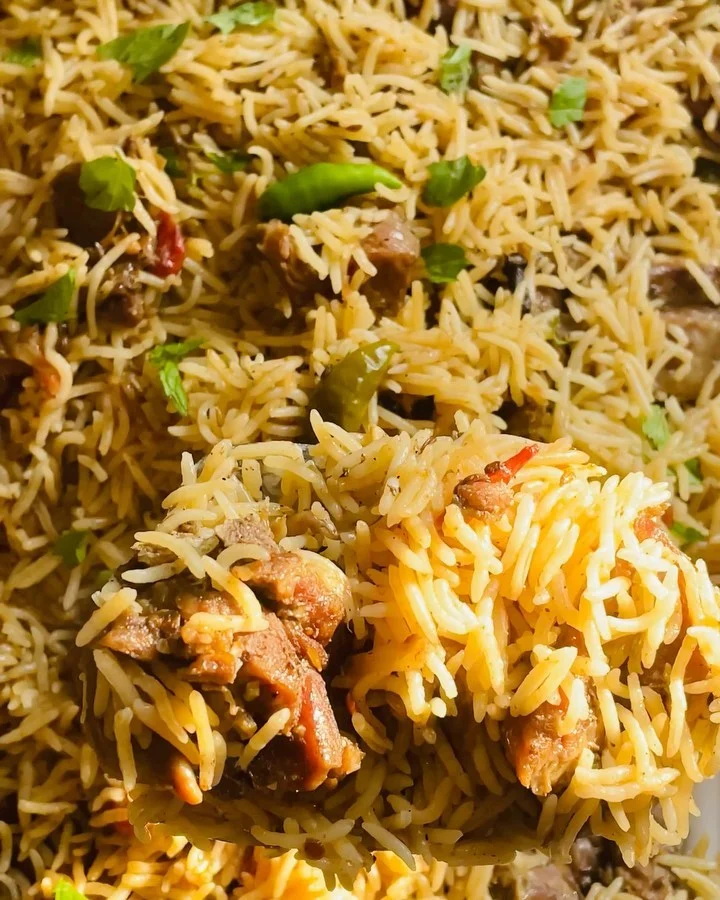
Mutton yakhni pulao is a fragrant rice dish cooked with mutton and a spiced meat stock. This Pakistani-style method builds flavour in the stock first, then steams the rice with the meat.
Ingredients
- 750 gmutton, on the bone
- 950 ml (4 cups)water
- to tastesalt
- 2–3green and black cardamoms
- 1 smallonion
- 2 inchesginger
- 6–7 clovesgarlic
- 3–4cardamoms
- 2 largecinnamon sticks
- 1 tablespoonwhole cumin seeds
- 1 teaspoonfennel seeds
- 1 tablespoonwhole coriander seeds
- 6–7cloves
- 2bay leaves
- 6–7black peppercorns
Instructions
- 1
Soak the rice
Rinse the rice and soak it in water for 2–3 hours. The rice quantity is not specified in the supplied ingredient list.
- 2
Add mutton and spices
Put the mutton in a saucepan with salt, the bay leaves and all the whole spices.
- 3
Add the water
Pour in enough water to cook the mutton; the ingredient list specifies 950 ml.
- 4
Cook the mutton
Cover the pan and cook for 1.5–2 hours, or until the mutton is 80–90% cooked.
- 5
Set aside meat
Lift the mutton pieces out into a bowl and set them aside.
- 6
Save the stock
Strain or transfer the stock into a separate bowl and keep it for cooking the rice.
- 7
Brown the onion
Heat oil in a wok, add the onion and cook until golden brown. The amount of oil is not specified in the supplied ingredient list.
- 8
Cook the additions
Add ginger-garlic paste and sliced tomatoes to the mutton, along with yoghurt, and cook over high heat for 5 minutes. Add the spices as well; quantities for the paste, tomatoes, yoghurt and any additional spices are not specified.
- 9
Add the rice
Add the soaked rice to the wok.
- 10
Fry and add stock
Fry the rice for 2–3 minutes, then pour in the reserved stock.
- 11
Boil off liquid
Adjust the salt as needed. Bring the liquid to a boil and cook over high heat until it evaporates.
- 12
Cook on low
Turn the heat down and cook on low for 8–10 minutes.
- 13
Finish with dum
Scatter mint and green chillies over the top, cover and cook on dum for 5 minutes. Their quantities are not specified in the supplied ingredient list.
- 14
Garnish and serve
When the rice is cooked, turn off the heat and top with chopped browned onion, coriander and mint.
What is mutton yakhni pulao?
Yakhni pulao is a South Asian rice dish in which meat stock, or yakhni, seasons the rice as it cooks. It is associated with Pakistani and broader regional cooking, where whole spices give the broth its distinctive aroma.
This version starts by simmering bone-in mutton with spices, then uses the resulting stock to cook the rice. The method can build deep flavour, but the supplied ingredient list omits several items mentioned in the instructions, including the rice quantity.
Nutrition and macros by portion
The nutrition label shows one serving as written: 650 calories, 38g protein, 88g carbs, 16g fat.
| Portion | Adjustment | kcal | Protein | Carbs | Fat |
|---|---|---|---|---|---|
| Lighter | More salad, less rice | 455 kcal | 27g | 62g | 11g |
| This serving | As written | 650 kcal | 38g | 88g | 16g |
| Hungry | Add extra mutton | 975 kcal | 57g | 132g | 24g |
The mutton supplies most of the protein and a substantial share of the fat, while the rice mentioned in the method would provide most of the carbohydrates. The rice quantity and amounts for oil and other additions are missing, so the macros cannot be calculated reliably; serve with salad or vegetables for a more balanced plate.
Build flavour in the stock
Whole spices: Cardamom, cinnamon, cumin, fennel, coriander, cloves, pepper and bay leaves infuse the cooking liquid as the mutton softens. The ingredient list gives two cardamom entries, so keep them separate when checking what you have.
Bone-in mutton: The bones contribute flavour to the stock, while the meat becomes the main protein in the finished pulao. Keep the pieces aside after cooking so they can be reunited with the rice later.
Cook the mutton until nearly tender
Timing: The stated 1.5–2 hours is a guide; the method’s more useful cue is that the meat is 80–90% cooked before it is removed. Keep the pan covered during cooking and check the meat towards the end of the range.
Stock: Reserve the cooking liquid rather than discarding it, as it is the base for the rice. The recipe does not explain whether to strain out the whole spices, so remove them if you prefer not to find them in the finished dish.
Get the rice stage right
Soaking: The method calls for rinsing and soaking the rice for 2–3 hours. Drain it before adding it to the wok so excess soaking water does not dilute the stock.
Liquid: The instructions say to boil the stock until the liquid evaporates, then cook on low for 8–10 minutes. Since neither the rice quantity nor the stock-to-rice ratio is provided, use the rice and liquid amounts from a reliable pulao ratio before cooking.
Understand the finishing step
Dum: The covered final 5 minutes lets the rice finish gently with mint and green chillies on top. Keep the heat low so the base does not catch while the grains steam.
Doneness: The method says to finish when the rice is nicely cooked, but gives no separate texture cue. Check that the grains are tender and the liquid has been absorbed before switching off the heat.
Serve it with
Fresh accompaniments: Serve the pulao with a crisp salad or plain yoghurt to bring freshness alongside the rich mutton and spiced rice. A simple cucumber and tomato salad works well.
Garnish: The method finishes with browned onion, coriander and mint. Add these at the end to keep their flavour distinct from the spices cooked into the stock.
Recipe notes & tips
- Measure the rice and stock using a trusted pulao ratio before starting, as those quantities are missing here.
- Keep the mutton cooking liquid to use as the rice stock.
- Check the meat for the stated 80–90% doneness before moving on to the rice.
- Drain the soaked rice well before frying it briefly in the wok.
- Use low heat for the final covered dum so the rice can finish without scorching.
- Add the fresh herbs after cooking, as directed, for a brighter finish.
Variations
- Milder spices: Use fewer green chillies if you prefer a gentler finish.
- More herbs: Add extra mint and coriander at the end for a fresher garnish.
- Extra browned onion: Increase the garnish for more sweetness and savoury depth.
- Boneless mutton: Use boneless pieces if easier serving is important, and check them for doneness earlier.
- Whole-spice-free serving: Strain the stock before adding it to the rice to keep whole spices out of the finished dish.
Common mistakes to avoid
- Guessing the rice amount: The ingredient list omits it, so establish the rice-to-stock ratio before cooking.
- Discarding the stock: Reserve it; it carries the flavour developed while cooking the mutton.
- Overcooking the mutton early: Remove it when it is 80–90% cooked, as the method directs.
- Adding un-drained rice: Drain the soaking water before putting the rice in the wok.
- Using high heat for dum: Keep the covered final 5 minutes on low to reduce the risk of scorching.
- Assuming missing quantities: Oil, tomatoes, yoghurt, paste, herbs and chillies are mentioned in the method but not quantified in the ingredient list.
How to store
Cool leftovers promptly and refrigerate them in a covered container for up to 3 days. Reheat until piping hot throughout, adding a small splash of water or stock if the rice has dried out.
Frequently asked questions
How much rice should I use?
The supplied ingredient list does not give a rice quantity. Check a reliable yakhni pulao ratio before beginning so you can match the amount of stock to the rice.
Can I make the stock ahead?
Yes. Cook the mutton and reserve the stock, then chill both separately in covered containers and use them when you are ready to cook the rice.
Do I need to remove the whole spices?
The method does not specify. You can leave them in for a more traditional whole-spice finish or strain the stock if you would rather not serve them in the rice.
Why is the rice soaked first?
The method calls for a 2–3 hour soak before cooking. Drain it well before adding it to the wok.
What does dum mean here?
It is the final covered, low-heat cooking stage. This method gives it 5 minutes after adding mint and green chillies.
Can I use boneless mutton?
Yes, although the listed recipe uses bone-in mutton. Boneless pieces may cook sooner, so check their doneness rather than relying only on the stated time.
Cook it from the original
This recipe comes from fooooods.com. Their page has the author’s own photos, notes and tips — the best place to cook it from.
Open the recipe on fooooods.com