
Carrots Halwa Special Winter
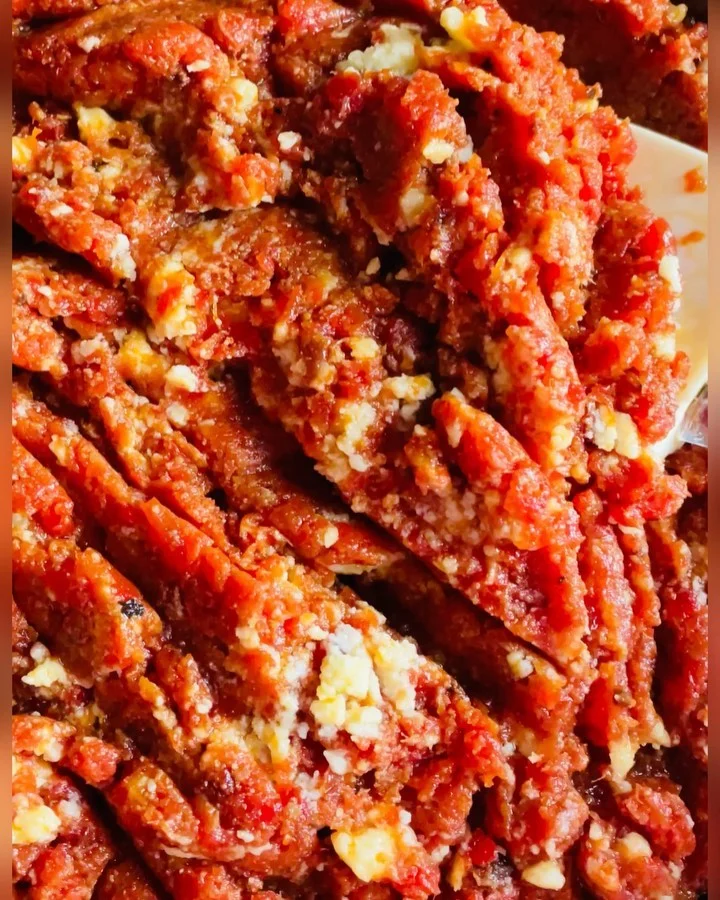
Carrot halwa is a slow-cooked sweet made by simmering carrots with milk, sugar and ghee until rich and tender. This winter version is finished with milk powder, khoya and nuts for a dense, celebratory dessert.
Ingredients
- 2.5 kgcarrots, cut into round slices
- 1 litremilk
- 200 g (1 cup), or less if desiredsugar
- 225 g (1 cup)butter or desi ghee
- a fewcardamoms
- 120 g (1 cup)dried milk powder
- 75 g (½ cup)khoya
- to tastedry fruits, for garnishing
- as neededghee, for homemade khoya
- as neededcooking cream, for homemade khoya
- as neededfresh milk, for homemade khoya
- as neededdried milk powder, for homemade khoya
Instructions
- 1
Prepare the carrots
Wash and peel the carrots, then cut them into round slices.
- 2
Simmer with milk
Put the carrots and milk in a pan and cook over a medium flame until the carrots are tender and easy to mash, about 30–40 minutes, until the milk has evaporated completely.
- 3
Mash the carrots
Mash the softened carrots with a hand mortar.
- 4
Add ghee and cardamom
Add the butter or desi ghee, followed by a few cardamoms.
- 5
Cook with sugar
Stir with a wooden spoon for a few minutes, then add the sugar. Cook over a low-to-medium flame for 30 minutes, stirring again as it cooks.
- 6
Add milk powder
Stir in the dried milk powder.
- 7
Cook until ghee rises
Continue cooking until the ghee comes up to the surface and the colour changes from raw orange to dark reddish.
- 8
Finish with khoya
Add the khoya and mix it in well.
- 9
Garnish and serve
Garnish with dry fruits.
- 10
Start the khoya
To make homemade khoya, add ghee to a saucepan, then add cooking cream and stir over a medium flame for a few minutes.
- 11
Add fresh milk
Add fresh milk and stir for a few more minutes.
- 12
Thicken the mixture
Add dried milk powder and stir continuously for 10–12 minutes, until the mixture thickens and starts to leave the base of the pan.
- 13
Set the khoya
Transfer the mixture to a pan and leave it to set until firm and ready to use.
What is carrot halwa?
Carrot halwa, also known as gajar ka halwa, is a South Asian dessert traditionally made by cooking grated or sliced carrots with milk, sugar and ghee. It is often served warm in cooler months and enriched with dairy and nuts.
This version uses sliced carrots that are simmered until soft, then mashed and cooked down with milk powder and khoya. The long, gradual cooking gives it a rich texture and a deeper colour.
Nutrition and macros by portion
The nutrition label shows one serving as written: 1250 calories, 27g protein, 130g carbs, 78g fat.
| Portion | Adjustment | kcal | Protein | Carbs | Fat |
|---|---|---|---|---|---|
| Lighter | Use less sugar and ghee | 875 kcal | 19g | 91g | 55g |
| This serving | As written | 1250 kcal | 27g | 130g | 78g |
| Hungry | Serve a larger bowl | 1875 kcal | 41g | 195g | 117g |
Most of the carbohydrates come from the carrots, sugar and milk, while ghee, butter and khoya contribute much of the fat. The milk, milk powder and khoya also provide protein. Balance a serving with a lighter main meal, or serve a smaller bowl alongside fruit or plain yoghurt.
The carrots and milk
Even slices: Cut the carrots into rounds of similar thickness so they soften at a similar pace. The method calls for mashing them after simmering, so they do not need to be finely grated.
Slow simmer: Cook the carrots in the milk over a medium flame until tender and the liquid has evaporated. Keep an eye on the pan towards the end, when the remaining milk can reduce quickly.
Mashing and building flavour
Soft carrots: Mash them once they are tender enough to break down easily. A hand mortar is specified, but work carefully so the hot mixture stays in the pan.
Cardamom: Add the pods with the ghee for a warm, fragrant note. The recipe gives no exact number, so use a few to suit your taste.
Managing the slow cook
Sugar stage: After adding sugar, cook over a low-to-medium flame for about 30 minutes, stirring regularly with a wooden spoon. This gradual reduction helps the mixture thicken without catching on the base.
Dairy finish: Stir in the dried milk powder, then keep cooking until ghee rises and the colour deepens from orange to reddish. Add the khoya at the end and mix it through.
How to tell when it is ready
Texture: The carrots should be tender before mashing, and the finished halwa should be thick rather than milky or loose. The method's visual cues are ghee coming up and a shift to a darker reddish colour.
Stirring: Scrape across the base of the pan as you stir, especially as the mixture thickens. This helps you notice any sticking before it scorches.
Making homemade khoya
Steady stirring: The homemade khoya method combines ghee, cooking cream, fresh milk and dried milk powder. Stir continuously for 10–12 minutes after adding the powder, until the mixture thickens and begins to leave the base of the pan.
Set before using: Transfer the khoya mixture to a pan and let it firm up. The recipe does not specify quantities for this sub-recipe, so make only the amount needed and adjust the ingredients together.
Serving the halwa
Garnish: Finish with dry fruits just before serving so they add a little crunch against the soft halwa. Serve it warm or at room temperature.
Pairing: A small bowl makes a rich dessert after a lighter meal. Plain yoghurt alongside can add a cool, tangy contrast.
Recipe notes & tips
- Cut the carrots into evenly sized rounds so they soften at a similar rate.
- Watch the pan closely as the milk nears evaporation to prevent the carrots catching.
- Stir regularly during the 30-minute sugar stage, scraping the base of the pan.
- Add the milk powder only after the sugar has cooked with the carrots.
- Wait for the ghee to rise and the colour to deepen before mixing in the khoya.
- Add the dry-fruit garnish just before serving to preserve its crunch.
Variations
- Adjust the sweetness: Use less than 200 g sugar if you prefer a less sweet halwa.
- Choose the cooking fat: Use butter or desi ghee, as listed, for the cooking stage.
- Make it nutty: Use a mixture of dry fruits for the garnish.
- Use prepared khoya: Use ready-made khoya instead of making the optional homemade version.
- Change the texture: Mash the carrots more or less thoroughly to suit your preference.
Common mistakes to avoid
- Uneven carrot slices: Cut them to a similar thickness so they become tender together.
- Leaving the pan unattended: Stir and check more often as the milk evaporates and the mixture thickens.
- Adding sugar too early: Wait until the carrots have softened and the milk has evaporated.
- Rushing the final cooking: Keep the flame low to medium and cook until the ghee rises and the colour darkens.
- Adding khoya before the reduction: Stir it in after the halwa has cooked down, as directed.
- Stopping the homemade khoya too soon: Continue stirring until the mixture thickens and starts to leave the pan base.
How to store
Cool the halwa, cover it and refrigerate for up to 3 days. Reheat gently in a pan over low heat, stirring until warmed through; add a small splash of milk if it has become too firm.
Frequently asked questions
Can I use grated carrots instead of sliced carrots?
Yes, but the texture will be finer and the carrots may soften sooner. Keep checking tenderness rather than relying only on the stated simmering time.
How do I know the carrots are tender enough to mash?
They should yield easily when pressed and break down with the hand mortar. If they still feel firm, continue simmering until soft.
Can I reduce the sugar?
Yes. The recipe allows for less than 200 g, so add a smaller amount if you prefer, then taste and adjust while cooking.
What does it mean when the ghee comes up?
As the halwa cooks down, the fat becomes visible at the surface or around the edges. This is one of the recipe's signs that the mixture has reduced.
Do I have to make the khoya from scratch?
No. The method gives homemade khoya as an option, and the ingredient list also calls for 75 g of khoya. Ready-made khoya can be used.
Can carrot halwa be served cold?
Yes. It can be served warm or at room temperature, and it will become firmer as it cools.
Cook it from the original
This recipe comes from fooooods.com. Their page has the author’s own photos, notes and tips — the best place to cook it from.
Open the recipe on fooooods.com