
Greek salad
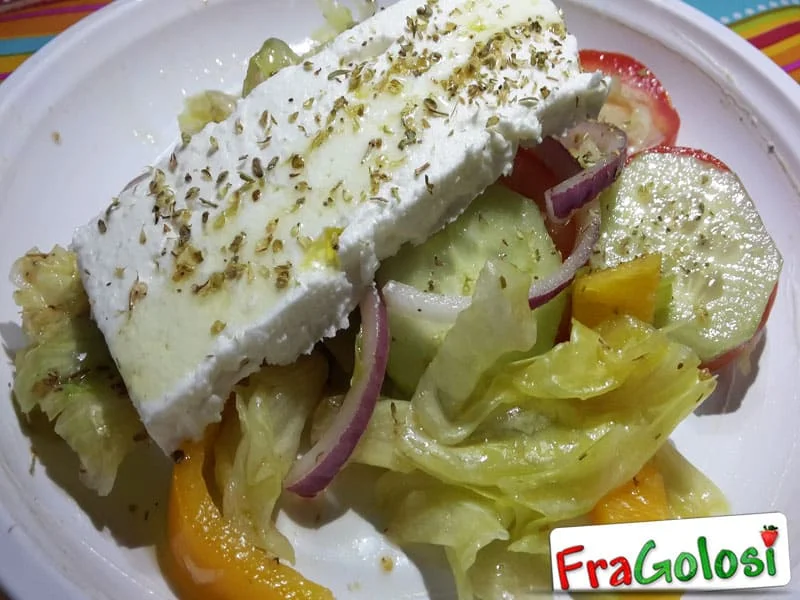
This Greek-style salad combines crisp vegetables, olives and salty feta with olive oil and oregano. It is quick to assemble and works as a fresh side or a light meal, with time to rest before serving so the flavours mingle.
Ingredients
- 150feta cheese
- 150 gseasonal salad leaves
- 1onion
- 1 smallcucumber
- 4tomatoes
- 1red pepper
- 80 gblack olives
- to tasteoregano
- to tasteextra-virgin olive oil
- moderately, to tastesalt and freshly ground pepper
Instructions
- 1
Prepare the leaves
Trim, wash and dry the salad leaves, then chop them into small pieces.
- 2
Slice the onion
Peel and wash the onion, then cut it into thin slices.
- 3
Cut the cucumber
Wash the cucumber, trim off both ends and cut it into thin slices. Halve the slices.
- 4
Deseed the tomatoes
Wash the tomatoes and remove the seeds and their watery pulp.
- 5
Prepare olives and feta
Cut the tomatoes into small pieces. Remove the stones from the olives and chop them, then slice the feta.
- 6
Clean the pepper
Cut the pepper in half and remove the stalk, seeds and white ribs.
- 7
Slice the pepper
Rinse and dry the pepper, then cut it lengthways into pieces.
- 8
Combine the ingredients
Put all the prepared ingredients in a serving bowl and dress them with extra-virgin olive oil.
- 9
Season the salad
Add just a little salt, bearing in mind that the feta is salty, along with a pinch of freshly ground pepper and a sprinkling of oregano.
- 10
Rest before serving
Mix the salad thoroughly and leave it to stand for a couple of hours before serving.
What is Greek salad?
Greek salad, often called horiatiki in Greece, is a combination of fresh vegetables, olives and feta, usually dressed simply with olive oil and herbs. This version adds seasonal salad leaves to the familiar cucumber, tomato, pepper and onion.
The mix works because the vegetables bring crunch and freshness, while feta and olives add a salty, savoury contrast. A short rest after mixing gives the dressing and oregano time to coat the ingredients.
Nutrition and macros by portion
The nutrition label shows one serving as written: 260 calories, 8g protein, 16g carbs, 19g fat.
| Portion | Adjustment | kcal | Protein | Carbs | Fat |
|---|---|---|---|---|---|
| Lighter | Use less olive oil | 182 kcal | 6g | 11g | 13g |
| This serving | As written | 260 kcal | 8g | 16g | 19g |
| Hungry | Serve with extra bread | 390 kcal | 12g | 24g | 29g |
The tomatoes, vegetables and salad leaves provide most of the carbohydrates, while the feta contributes protein and much of the fat; olives and olive oil add further fat. Serve it with bread or another filling side if you want a more substantial plate, and keep added salt modest.
Choosing the ingredients
Ripe tomatoes: choose firm, flavourful tomatoes that will hold their shape when cut. Removing the seeds and watery pulp helps keep the salad from becoming too wet.
Feta and olives: both contribute plenty of saltiness, so season cautiously. Use pitted olives or remove the stones before chopping.
Cutting for an even mix
Thin onion: slicing it finely distributes its sharpness through the bowl. If you prefer a milder bite, keep the slices particularly thin.
Similar-sized pieces: cut the cucumber, pepper and tomato into manageable pieces so each serving gets a little of everything. Dry the washed vegetables well to avoid diluting the olive oil.
Seasoning without oversalting
Salt last: feta and olives are already salty, so start with very little salt and taste before adding more. Freshly ground pepper and oregano provide flavour without needing a heavy hand with the salt.
Olive oil: pour it over the ingredients just before mixing, using enough to lightly coat them. The recipe does not specify a quantity, so adjust to the size of your bowl and preference.
The resting time
A couple of hours: the method recommends leaving the mixed salad to rest before serving. Cover the bowl and keep it chilled during this time.
Before serving: toss gently once more so the dressing is redistributed. The vegetables should remain distinct rather than crushed.
What to serve with it
For a simple meal, serve the salad with bread to catch the olive oil and tomato juices. It also makes a fresh side for grilled vegetables, fish or meat.
If serving it as part of a larger spread, keep other dishes lightly seasoned; feta and olives already bring a pronounced savoury note.
Recipe notes & tips
- Dry the washed leaves and vegetables thoroughly so the dressing clings rather than becoming watery.
- Remove the tomato seeds and watery pulp as directed to keep the salad crisp.
- Taste before adding salt because both feta and olives are salty.
- Use freshly ground pepper and add the oregano evenly across the bowl.
- Mix gently after adding the feta so its slices stay intact.
- Keep the salad covered and chilled during its resting time.
Variations
- Add cucumber: cut it into slightly thicker pieces for extra crunch.
- Use dried oregano: rub it between your fingers as you sprinkle it over the salad.
- Change the leaves: use another mild seasonal salad mix in place of the listed leaves.
- Keep the feta in larger slices: arrange them on top rather than mixing them through.
- Add lemon: squeeze a little over the salad just before serving for a brighter dressing.
Common mistakes to avoid
- Adding too much salt: feta and olives are salty, so season lightly and taste before adding more.
- Leaving tomato pulp in: remove the seeds and watery centre to help prevent a soggy salad.
- Using wet vegetables: dry them well after washing so the dressing is not diluted.
- Mixing too vigorously: fold the ingredients together gently to avoid breaking up the feta.
- Serving immediately: allow the salad to rest for a couple of hours as directed, keeping it covered and chilled.
How to store
Store leftovers in a covered container in the fridge and eat within 1–2 days; the vegetables will soften as they sit. This salad is best served cold and does not need reheating.
Frequently asked questions
Can I make Greek salad ahead of time?
Yes. The method calls for a couple of hours of resting before serving. Cover the bowl and keep it chilled during that time.
How much olive oil should I use?
The recipe gives no fixed quantity, so add enough to lightly coat the ingredients, then adjust to taste.
Should I salt the salad?
Use only a little at first, since feta and olives are already salty. Taste the salad before deciding whether it needs more.
Why remove the tomato seeds?
The recipe removes the seeds and watery pulp to reduce excess liquid and help the salad keep its texture.
Can I leave out the salad leaves?
The leaves are part of this version, but you can omit them if you want a salad centred on the cucumber, tomatoes, pepper, onion, olives and feta.
Can I use pitted olives?
Yes. Pitted black olives are convenient; if your olives still have stones, remove them before chopping.
Cook it from the original
This recipe comes from fragolosi.it. Their page has the author’s own photos, notes and tips — the best place to cook it from.
Open the recipe on fragolosi.it