
Masoor Dal & Vegetable Curry
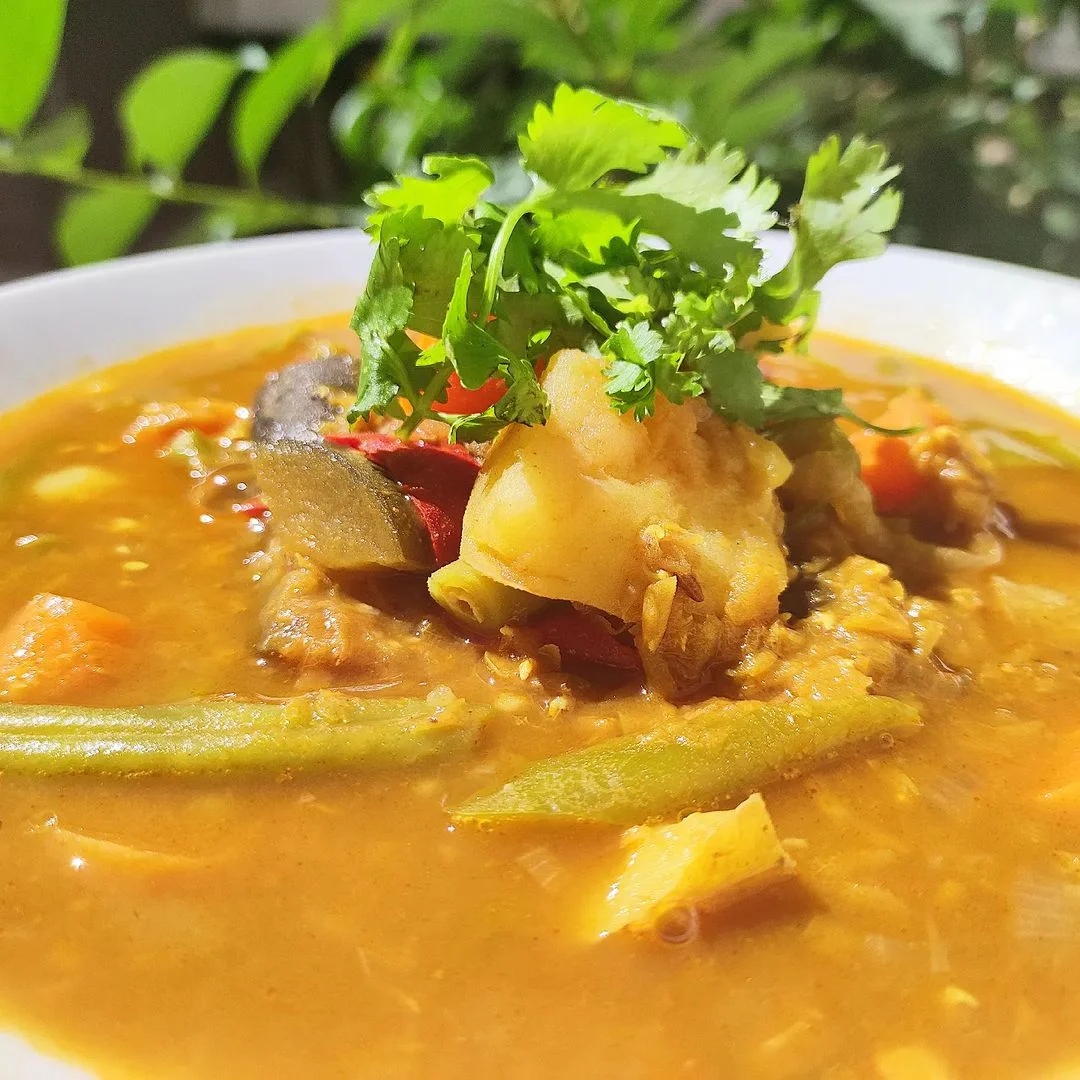
Masoor dal and vegetable curry brings red lentils, potatoes and a generous mix of vegetables together in a warmly spiced, tangy one-pot dish. It is a satisfying option to serve on its own or with rice or another staple.
Ingredients
- 190 g (1 cup)red lentils, rinsed until the water runs clear and drained
- 30 ml (2 tbsp)oil
- 5 ml (1 tsp)cumin seeds
- 5 ml (1 tsp)fennel seeds
- 1bay leaf
- 150 g (1 cup)onion, finely diced
- 2 clovesgarlic, minced
- 2.5 cm (1 inch)ginger, minced
- 5 ml (1 tsp)ground cumin
- 5 ml (1 tsp)ground coriander
- 1.25 ml (1/4 tsp)chilli powder
- 2.5 ml (1/2 tsp)ground turmeric
- 180 g (1 cup)tomato, diced
- 950 ml (4 cups)water
- 300 g (2 cups)potatoes, cut into 5 cm (2 inch) cubes
- 250 g (2 cups)carrots, cut into 5 cm (2 inch) cubes
- 200 g (2 cups)aubergine, cut into 5 cm (2 inch) cubes
- 250 g (2 cups)French or green beans, cut into 5 cm (2 inch) pieces
- 75 g (1/2 cup)fresh red or green chillies, sliced
- 3plums, stoned and quartered
- 15 ml (1 tbsp)tamarind paste, or to taste
- 5 ml (1 tsp)salt, or to taste
Instructions
- 1
Heat the oil
Warm the oil in a large pot over a medium-high heat.
- 2
Fry the aromatics
Add the cumin seeds, fennel seeds and bay leaf. Once they begin to splutter, add the onion, garlic and ginger.
- 3
Add ground spices
When the onion turns translucent, stir in the ground cumin, ground coriander, chilli powder and turmeric.
- 4
Cook the tomato
Cook for 1 minute, then add the diced tomato and cook for about 5 minutes, until it breaks down.
- 5
Add lentils and potatoes
Add the lentils, water and potatoes, then bring the pot to the boil.
- 6
Simmer the vegetables
Reduce the heat and simmer for 15 minutes, then add the carrots and aubergine.
- 7
Add remaining ingredients
Cook for 10 minutes, then add the beans, chillies, plums, tamarind paste and salt. Stir well.
- 8
Finish the curry
Continue cooking until the potatoes are cooked through and the lentils have reached your preferred consistency.
- 9
Adjust and serve
Taste and adjust the seasoning. Garnish with fresh herbs if you like, and serve as it is or with your preferred carbohydrate.
What is masoor dal?
Masoor dal is a South Asian dish made with red lentils, which soften as they cook and give the pot a naturally thick texture. This version combines them with a wide range of vegetables, spices and a sweet-sour finish from plums and tamarind.
The result is a hearty curry that can be served by itself or alongside rice or another staple. Adding the firmer vegetables in stages helps them cook without all becoming soft at once.
Nutrition and macros by portion
The nutrition label shows one serving as written: 450 calories, 18g protein, 75g carbs, 9g fat.
| Portion | Adjustment | kcal | Protein | Carbs | Fat |
|---|---|---|---|---|---|
| Lighter | Use less oil | 315 kcal | 13g | 53g | 6g |
| This serving | As written | 450 kcal | 18g | 75g | 9g |
| Hungry | Serve with extra rice | 675 kcal | 27g | 113g | 14g |
The lentils and potatoes contribute most of the carbohydrates, while lentils provide much of the protein. Oil supplies most of the fat, with the vegetables adding fibre and the salt contributing sodium. For a balanced plate, serve a moderate portion with extra non-starchy vegetables or a modest serving of rice.
Build flavour in the pot
Whole spices: cumin and fennel seeds go into hot oil first, along with the bay leaf. Wait for the seeds to splutter before adding the onion, garlic and ginger.
Ground spices: cook them briefly with the softened onion before adding the tomato. This gives the spices a moment in the oil, while the tomato then forms a base for the lentils and vegetables.
Why the vegetables go in stages
First additions: potatoes simmer with the lentils for 15 minutes, giving them a head start. The carrots and aubergine join after that, followed by another 10 minutes of cooking.
Final additions: beans, chillies and plums go in later, so they have less time in the pot. The recipe does not specify exact final cooking time; use the potatoes and lentils as your doneness cues.
Check texture and doneness
Potatoes: check that a knife can pass through the cubes easily before serving. If they are still firm, keep cooking and check again.
Lentils: red lentils soften and thicken the liquid as they cook. Continue until the texture suits you, adding a little water if you prefer a looser curry.
Balance the tang
Tamarind: its sourness can vary by product, so start with the listed tablespoon and taste before adding more. Salt is also adjustable to taste.
Plums: these bring a gentle fruity sweetness that contrasts with the tamarind and spices. Stir carefully once they are added so they remain in pieces if they are still firm.
What to serve with it
Rice: a bowl of plain rice is an easy accompaniment and soaks up the spiced lentil broth. Flatbread is another option for scooping up the vegetables.
Fresh herbs: the method suggests an optional herb garnish. Add it just before serving for a fresh note against the warm, rich curry.
Recipe notes & tips
- Rinse the lentils until the water runs clear to remove loose starch and debris.
- Cut the vegetables into pieces of similar size so they cook more evenly.
- Wait for the whole spices to splutter before adding the onion mixture.
- Taste the tamarind and salt before adjusting, as both can vary in strength.
- If the curry thickens more than you like, stir in a little water while it cooks.
Variations
- Milder curry: use fewer fresh chillies or remove their seeds before slicing.
- More tang: add tamarind paste a little at a time, tasting as you go.
- Different vegetables: replace one of the listed vegetables with a similar amount of another firm vegetable.
- Smoother texture: mash a few cooked potato pieces and lentils into the broth before serving.
- Herb finish: scatter chopped fresh herbs over the curry just before serving.
Common mistakes to avoid
- Adding all the vegetables together: the cooking stages differ, so follow the order in the method.
- Leaving the lentils unrinsed: rinse until the water runs clear before draining.
- Burning the ground spices: stir them in and cook for only 1 minute before adding tomato.
- Overcooking the beans: add them with the final ingredients rather than at the start.
- Adding too much tamarind at once: taste after the listed tablespoon, then adjust gradually.
How to store
Cool leftovers promptly and store them in a covered container in the fridge for up to 3 days. Reheat in a saucepan until piping hot, stirring gently and adding a splash of water if the curry has thickened.
Frequently asked questions
Can I use another type of lentil?
Red lentils are the variety specified and soften into the curry. Other lentils may need different cooking times and may leave the dish with a different texture.
How do I know when the curry is ready?
The potatoes should be cooked through and the lentils should have reached the consistency you prefer. If the potatoes are still firm, continue cooking and check again.
Can I make it less spicy?
Yes. Reduce the fresh chillies or leave them out, and use less chilli powder to suit your preference.
Can I make the curry thicker?
Let it simmer until more liquid evaporates, or mash a few cooked lentils and potato pieces into the broth. Keep an eye on the bottom of the pot as it thickens.
What can I serve with masoor dal and vegetable curry?
Serve it on its own or with rice, flatbread or another carbohydrate of your choice. Fresh herbs are an optional garnish.
Cook it from the original
This recipe comes from fooooods.com. Their page has the author’s own photos, notes and tips — the best place to cook it from.
Open the recipe on fooooods.com