
Gnocchi with pesto
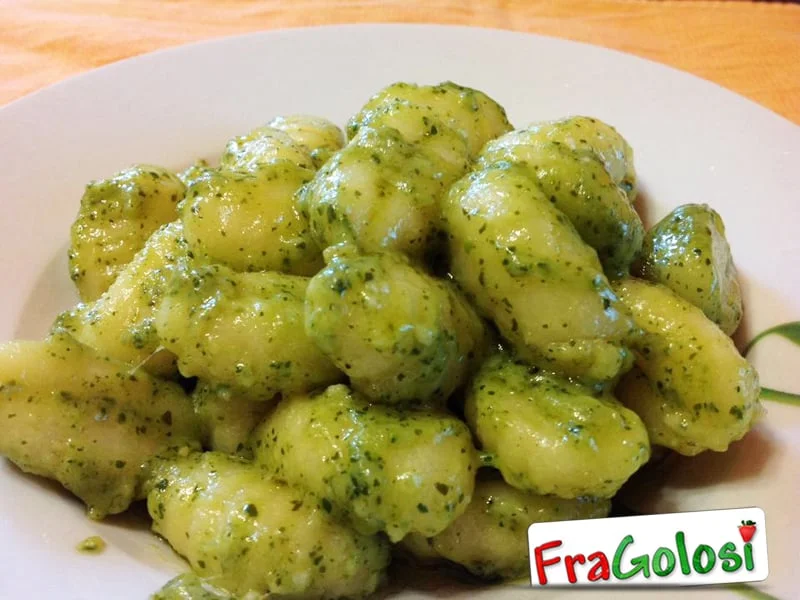
Gnocchi with pesto pairs soft potato dumplings with a fresh, garlicky basil sauce. It is a quick Italian meal, ready in 18 minutes, with a handful of ingredients and a simple finish in the pan.
Ingredients
- 1 kggnocchi
- 2 bunchesbasil
- 2 clovesgarlic
- 2 tablespoonspine nuts
- to tasteextra-virgin olive oil
- to tastesalt
- to tastefreshly ground black pepper
- 2 tablespoonsgrated Parmesan
Instructions
- 1
Prepare the basil
Wash the basil and dry it thoroughly.
- 2
Blend the pesto
Put the basil in a food processor with the pine nuts, garlic cloves, olive oil, salt and chilli, then blend.
- 3
Add the Parmesan
Add the grated Parmesan last.
- 4
Season the sauce
As soon as the pesto is ready, transfer it to a frying pan and adjust the salt.
- 5
Boil the gnocchi
Cook the gnocchi in plenty of salted water.
- 6
Toss with pesto
Drain the gnocchi as soon as they rise to the surface, then toss them with the pesto.
- 7
Serve while hot
Serve the gnocchi with Genoese pesto hot.
What is gnocchi with pesto?
Gnocchi are soft Italian dumplings, often made with potato, while pesto alla Genovese is the basil-based sauce associated with Genoa in Liguria. Together they make a quick, comforting dish in which the sauce coats the dumplings rather than masking their tender texture.
This version keeps the pesto simple: basil, pine nuts, garlic, olive oil and Parmesan. Tossing the gnocchi with it just after draining helps the sauce cling.
Nutrition and macros by portion
The nutrition label shows one serving as written: 540 calories, 13g protein, 83g carbs, 17g fat.
| Portion | Adjustment | kcal | Protein | Carbs | Fat |
|---|---|---|---|---|---|
| Lighter | More vegetables, less gnocchi | 378 kcal | 9g | 58g | 12g |
| This serving | As written | 540 kcal | 13g | 83g | 17g |
| Hungry | Larger gnocchi portion | 810 kcal | 20g | 125g | 26g |
Most of the carbohydrates come from the gnocchi, while olive oil and pine nuts contribute much of the fat; Parmesan adds some protein and fat. Pair a serving with a generous salad or vegetables for more variety and a fresher contrast.
Choosing the ingredients
Basil: Use fresh leaves and dry them well after washing; excess water can make the pesto thin.
Pine nuts and Parmesan: These bring richness and savoury flavour. The recipe adds the cheese after blending the other pesto ingredients.
Gnocchi: Use 1 kg for four servings. Packaged gnocchi are convenient here, but follow their cooking instructions if they differ from the general float-to-the-surface cue.
Getting the pesto texture right
Olive oil: The recipe gives no measured amount, so add it while blending until the pesto reaches a loose, spoonable consistency.
Blending: Stop once the basil and other ingredients form a sauce; prolonged blending can warm the leaves. Taste and adjust the salt in the pan as directed.
Knowing when the gnocchi are done
The method uses a clear visual cue: drain the gnocchi as soon as they rise to the surface. Keep an eye on the pot, since this can happen quickly.
Lift them out gently or drain carefully so the soft dumplings stay intact, then move straight on to tossing them with the pesto.
Bringing the dish together
Have the pesto ready in the pan before the gnocchi finish cooking. The method says to drain them as they float and toss them with the sauce, so the final coating happens while everything is hot.
Avoid leaving the drained gnocchi to sit: they can stick together before the pesto has a chance to coat them.
What to serve alongside
A crisp green salad or lightly dressed tomatoes add freshness beside the soft gnocchi and rich pesto. Keep the accompaniments simple so the basil remains the main flavour.
For a fuller meal, serve with a vegetable side such as roasted courgette or green beans.
Recipe notes & tips
- Dry the basil thoroughly so extra water does not dilute the pesto.
- Add the olive oil gradually while blending because the recipe does not specify a quantity.
- Keep the pesto ready before the gnocchi are cooked, as they can rise quickly.
- Drain the gnocchi as soon as they float, following the recipe's doneness cue.
- Toss the gnocchi with the pesto straight after draining for an even coating.
Variations
- Add extra Parmesan: grate a little more over each serving at the table.
- Use walnuts: replace the pine nuts with walnuts for a different nutty flavour.
- Make it chilli-forward: include chilli as directed in the method for extra heat.
- Add green beans: cook them separately and toss them through with the gnocchi.
- Finish with lemon: add a small squeeze just before serving for a brighter taste.
Common mistakes to avoid
- Wet basil: the pesto can turn watery; dry the leaves thoroughly after washing.
- Too much oil at once: the sauce may become loose; add the oil gradually while blending.
- Overcooked gnocchi: they can lose their tender shape; drain them as soon as they float.
- Leaving gnocchi to drain: they may stick together; toss them with the pesto straight away.
- Under-seasoned pesto: taste it after transferring to the pan and adjust the salt.
How to store
For the best texture, serve the gnocchi immediately. Refrigerate leftovers in a sealed container for up to 2 days, then reheat gently in a pan with a small splash of water; the gnocchi may soften as they stand.
Frequently asked questions
Can I make the pesto ahead?
Yes. Blend it ahead and refrigerate it in a sealed container, then stir before using. Add it to the pan while the gnocchi are hot.
Why do the gnocchi float?
Floating is the doneness cue used in this recipe. Drain them as soon as they rise to the surface.
Does the recipe use black pepper or chilli?
The ingredient list specifies freshly ground black pepper, while the method mentions chilli. For the closest match to the listed ingredients, use black pepper; add chilli only if you want heat.
How much olive oil should I use?
The recipe does not give a quantity. Add it gradually during blending until the pesto is loose enough to coat the gnocchi.
Can I use a different pasta instead of gnocchi?
Yes, pesto also works with pasta, but the cooking time and texture will differ. Cook it according to its packet instructions before tossing with the sauce.
Cook it from the original
This recipe comes from fragolosi.it. Their page has the author’s own photos, notes and tips — the best place to cook it from.
Open the recipe on fragolosi.it