
Mashed Potato
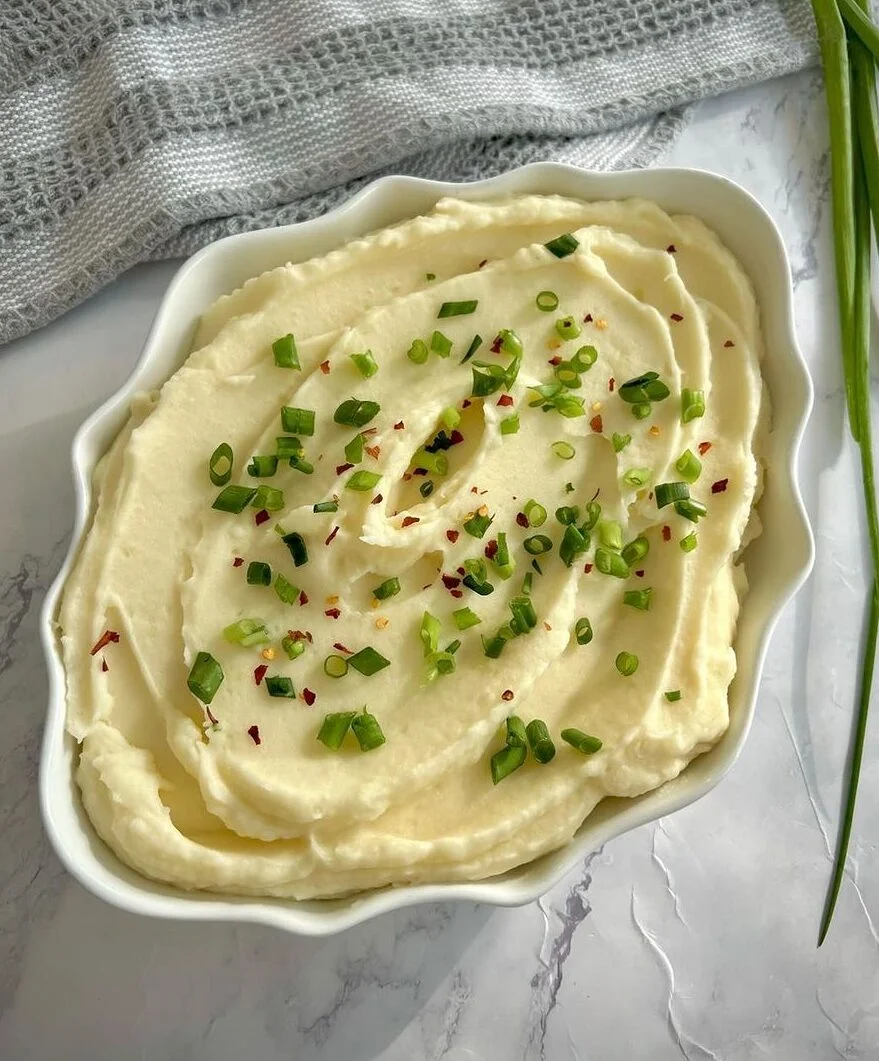
This classic mashed potato is made with boiled potatoes beaten with butter, whipping cream and milk until smooth and fluffy. It makes a comforting side dish, and you can adjust the milk and cream to get the consistency you like.
Ingredients
- 1.36 kg (3 lb)potatoes, such as russet or a mix of russet and Yukon Gold
- 113 g (1 stick; ½ cup)butter
- 180 ml (¾ cup)whipping cream
- 60 ml (¼ cup), or more for a creamier consistencymilk
- 10 ml (2 tsp)salt
Instructions
- 1
Cut the potatoes
Peel the potatoes and cut them into evenly sized pieces.
- 2
Pressure cook
Rinse the potatoes, then put them in the pressure cooker. Add hot water until the potatoes are covered, or up to three-quarters of the cooker as directed in the recipe. Pressure-cook for 8 minutes.
- 3
Drain and combine
When the potatoes are cooked, drain the water. While they are still hot, put them in a stand mixer and add the butter, whipping cream, milk and salt.
- 4
Whisk until fluffy
Whisk until the mixture is smooth and fluffy.
- 5
Adjust the texture
For a smoother, less thick mash, add more milk and whipping cream.
What is mashed potato?
Mashed potato is a familiar side dish made by cooking potatoes until tender and mashing them with dairy and seasoning. Versions of it are served in many places, with the exact additions varying by household.
This one uses butter, whipping cream and milk for a rich, soft finish. Russet potatoes or a russet and Yukon Gold mix provide the base.
Nutrition and macros by portion
The nutrition label shows one serving as written: 627 calories, 8g protein, 47g carbs, 43g fat.
| Portion | Adjustment | kcal | Protein | Carbs | Fat |
|---|---|---|---|---|---|
| Lighter | Use less butter and cream | 439 kcal | 6g | 33g | 30g |
| This serving | As written | 627 kcal | 8g | 47g | 43g |
| Hungry | Serve a larger scoop | 941 kcal | 12g | 71g | 65g |
Most of the carbohydrates come from the potatoes, while butter and whipping cream contribute much of the fat. The potatoes also provide some protein, with smaller amounts from the milk and cream. Balance a serving with vegetables and a protein-rich main dish.
Choosing the potatoes
Russets: these are starchy potatoes that mash readily into a light texture. Yukon Golds: adding them gives the mash a naturally buttery flavour and a slightly creamier feel.
Cutting and cooking
Even pieces: cut the peeled potatoes to a similar size so they cook at roughly the same rate. Rinse them before adding them to the pressure cooker.
Water level: the method calls for hot water to cover the potatoes, or to reach three-quarters of the cooker. Follow your pressure cooker’s own filling and operating guidance.
Mixing while hot
Drain well: remove the cooking water before adding the dairy, so it does not dilute the mash. Transfer the potatoes to the stand mixer while they are still hot, as the method directs.
Add-ins: butter, cream, milk and salt go in together before whisking. Mix just until the potatoes are smooth and fluffy.
Getting the texture right
Fluffy: stop when the mash looks smooth and aerated. If it is thicker than you like, add more milk and whipping cream, then mix briefly to combine.
Avoid overmixing: extended beating can make mashed potatoes gluey, so check the texture as you go rather than whisking for a long time.
Timing and serving
Pressure-cooking time: the recipe gives 8 minutes under pressure, but the total cooking time is not specified. Allow extra time for peeling, cutting, pressure build-up and release.
Serve the mash alongside vegetables and a protein, or spoon it under a stew or gravy. Its creamy texture works well with dishes that have a savoury sauce.
Recipe notes & tips
- Cut the potatoes into evenly sized pieces to help them cook at a similar pace.
- Drain the potatoes thoroughly before adding the butter and dairy.
- Add the dairy while the potatoes are hot, as instructed.
- Mix only until the mash is smooth and fluffy to help avoid a gluey texture.
- Add extra milk and cream a little at a time if you prefer a looser mash.
Variations
- More buttery: add a little extra butter and mix it in while the potatoes are hot.
- Looser mash: add extra milk gradually until it reaches your preferred consistency.
- Creamier finish: increase the whipping cream a little and reduce the milk by the same amount.
- Russet and Yukon Gold mix: combine the two potato varieties for a balance of fluffy and creamy textures.
Common mistakes to avoid
- Uneven pieces: large and small chunks cook at different rates; cut the potatoes to a similar size.
- Too much cooking water: excess water can leave the mash loose; drain the potatoes well before mixing.
- Adding dairy after the potatoes cool: the butter and cream are easier to combine while the potatoes are hot; mix them in straight after draining.
- Overmixing: prolonged whisking can make the potatoes gluey; stop once they are smooth and fluffy.
- Adding too much liquid at once: the mash can become thinner than intended; add extra milk or cream gradually.
How to store
Refrigerate leftover mashed potato in a covered container and use within 3 days. Reheat gently in a saucepan or microwave, stirring occasionally; add a splash of milk if it has thickened.
Frequently asked questions
Can I use a mix of russet and Yukon Gold potatoes?
Yes. The recipe allows either russets or a mix of russet and Yukon Gold potatoes.
How long do the potatoes cook in the pressure cooker?
The method specifies 8 minutes under pressure. It does not give a total time for pressure build-up or release.
Can I make the mash thinner?
Yes. Add more milk and whipping cream gradually, mixing briefly after each addition, until it is as smooth and loose as you prefer.
Can I make this without a stand mixer?
The method uses a stand mixer, but you can mash the hot, drained potatoes by hand and stir in the butter, cream, milk and salt. Check the texture as you mix.
Can I prepare mashed potato ahead of time?
You can make it ahead and refrigerate it in a covered container for up to 3 days. Reheat gently and stir in a little milk if needed.
Cook it from the original
This recipe comes from fooooods.com. Their page has the author’s own photos, notes and tips — the best place to cook it from.
Open the recipe on fooooods.com