
Tom Yum Goong (Tom Yum With Shrimp)
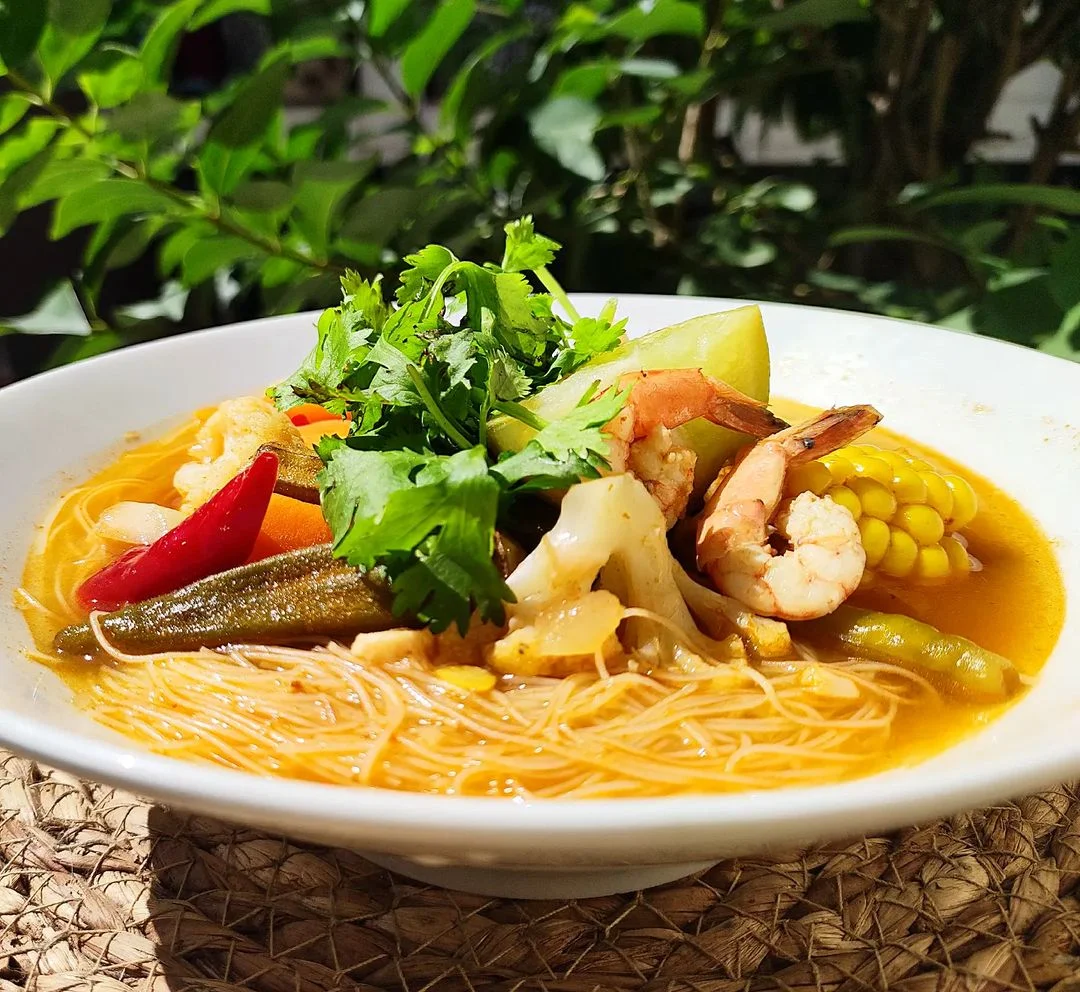
Tom Yum Goong is a hot, sour Thai soup with shrimp, fragrant herbs and a punchy chilli-lime broth. This version builds flavour from shrimp-shell stock, then finishes with fish sauce, lime juice and Thai chilli paste.
Ingredients
- 475 ml (2 cups)shrimp, with heads and shells on
- 15 ml (1 tbsp)oil
- 1.1 litres (4½ cups)water
- 120 ml (½ cup)onion, sliced
- 1, cut into 2.5 cm (1-inch) pieceslemongrass
- 5, roughly tornkaffir lime leaves
- 2.5 cm (1 inch), slicedgalangal
- 3, halvedThai chillies
- 710 ml (3 cups)mushrooms or vegetables, cut into bite-sized pieces
- 30 ml (2 tbsp)Thai chilli paste (recipe below)
- 45 ml (3 tbsp)fish sauce
- 45 ml (3 tbsp)lime juice
Instructions
- 1
Prepare shrimp shells
Remove the heads and shells from the shrimp and put them in a pot with the oil.
- 2
Simmer the stock
Sauté over medium-high heat for 3 minutes. Add the water, scraping up any browned bits from the base of the pot, then simmer over medium-low heat for 45 minutes. Strain the stock.
- 3
Infuse the broth
Add the onion, lemongrass, lime leaves, galangal and chillies to the strained stock. Boil for 10 minutes.
- 4
Cook the vegetables
Add the mushrooms or vegetables and bring the broth to a boil.
- 5
Finish the soup
Add the shrimp and bring the soup to a boil. Stir in the lime juice, fish sauce and chilli paste.
- 6
Taste and serve
Taste and adjust the seasoning. Garnish with cilantro and serve with rice or noodles of your choice.
- 7
Toast the chillies
To make the paste, toast the chillies in a pan over medium heat, stirring constantly until they begin to char. Remove them from the pan and set aside.
- 8
Char the aromatics
In the same pan, add the garlic and shallots. Stir constantly and remove them once charred.
- 9
Grind the chillies
Grind the chillies to a powder with a grinder or mortar and pestle. Add the dried shrimp and grind until fine.
- 10
Blend the paste
Put all the ingredients in a food processor or blender and grind them into a fine paste.
- 11
Cook the paste
Transfer the paste to a pot and cook over low heat for 10 minutes, stirring constantly, until it thickens.
What is Tom Yum Goong?
Tom Yum Goong is a Thai hot-and-sour soup whose name refers to the soup style and shrimp. Its characteristic flavour comes from the interplay of citrus, savoury fish sauce, chilli and aromatic herbs.
This version starts with stock made from the shrimp shells, giving the broth a seafood base before the shrimp themselves go in. Lemongrass, galangal and lime leaves bring the fragrant, citrusy notes that distinguish the soup.
Nutrition and macros by portion
The nutrition label shows one serving as written: 155 calories, 19g protein, 11g carbs, 5g fat.
| Portion | Adjustment | kcal | Protein | Carbs | Fat |
|---|---|---|---|---|---|
| Lighter | More vegetables, less oil | 109 kcal | 13g | 8g | 4g |
| This serving | As written | 155 kcal | 19g | 11g | 5g |
| Hungry | Add rice or noodles | 233 kcal | 29g | 17g | 8g |
Shrimp contribute most of the protein, while rice or noodles served with the soup provide much of the meal's carbohydrate. Oil and chilli paste add fat, and fish sauce makes sodium a notable part of the broth; serve with a generous amount of vegetables and add rice or noodles according to appetite.
Build flavour from the shells
Shell stock: sautéing the heads and shells first helps draw out their flavour. Scrape the browned bits into the water, then strain the long-simmered stock before adding the other ingredients.
Fresh shrimp: the peeled shrimp cook right at the end, so they spend little time in the hot broth. This helps keep them tender rather than rubbery.
Use the aromatics well
Lemongrass and galangal: cutting them into pieces or slices exposes more surface to the broth. They are there to infuse it; they are fibrous and are not usually eaten.
Lime leaves and chillies: tearing the leaves helps release their aroma, while halving the chillies lets their heat seep into the soup. Adjust the amount of chilli paste at the end if you want a milder bowl.
Time the final additions
Vegetables first: let the mushrooms or other vegetables come to a boil in the broth before adding the shrimp. Different vegetables may need different amounts of time, so check for the tenderness you prefer.
Shrimp last: bring the soup back to a boil after adding them, then stir in the lime juice, fish sauce and chilli paste. Taste before serving, as the paste and fish sauce both contribute strong seasoning.
Balance sour, salty and hot
Lime juice: it gives the soup its bright sour edge, so add it near the end to keep that flavour lively. The recipe adds it with the other finishing seasonings.
Fish sauce and chilli paste: these supply savoury depth and heat. Taste the broth and adjust the balance to suit your palate rather than adding extra seasoning automatically.
Choose a vegetable and a side
Mushrooms or vegetables: use bite-sized pieces so they are easy to eat from the bowl. The recipe leaves the choice open, making this a useful way to use vegetables that cook well in broth.
Rice or noodles: serve either alongside or in the bowl, as suggested in the method. Both make the sharp, spicy broth into a more substantial meal.
Recipe notes & tips
- Keep the shrimp shells for the stock, even if you peel the shrimp before starting the broth.
- Strain the stock thoroughly to remove shell fragments before adding the aromatics.
- Cut the vegetables into similar-sized pieces so they cook at a similar rate.
- Add the lime juice towards the end so its fresh flavour remains noticeable.
- Taste the broth after stirring in the chilli paste and fish sauce, then adjust before serving.
- Have the rice or noodles ready before adding the shrimp, as the final cooking stage is quick.
Variations
- Use mixed vegetables: choose bite-sized pieces that will cook in the boiling broth.
- Make it milder: start with less chilli paste and add more after tasting.
- Add rice: serve the soup with rice for a more filling bowl.
- Serve with noodles: use your preferred noodles alongside or in the soup.
- Choose mushrooms: swap the mixed vegetables for bite-sized mushrooms.
Common mistakes to avoid
- Skipping the shell stock: sauté the shrimp heads and shells before simmering to build a seafood base.
- Leaving shell fragments behind: strain the stock before adding the aromatics.
- Overcooking the shrimp: add them near the end and avoid simmering them for a long time.
- Adding all the seasoning without tasting: check the broth after the chilli paste and fish sauce go in.
- Using large vegetable pieces: cut them into bite-sized pieces so they are easier to cook and eat.
How to store
Refrigerate leftover soup in a covered container and use within 2 days. Reheat gently until steaming; avoid prolonged boiling, which can make the shrimp tough. If possible, store rice or noodles separately.
Frequently asked questions
Can I make the stock ahead?
Yes. Prepare and strain the shrimp-shell stock ahead, then refrigerate it in a covered container. Add the aromatics and remaining ingredients when you are ready to finish the soup.
Can I use peeled shrimp?
You can, but the recipe relies on the heads and shells for its stock. Without them, use water as directed, though the broth will have less shellfish flavour.
What can I use instead of galangal?
The recipe does not specify a substitute. If you cannot find galangal, you can omit it, but the broth will miss one of its distinctive aromatics.
How do I make the soup less spicy?
Use less chilli paste, then taste and add more only if needed. The Thai chillies also add heat, so you can reduce the amount used.
Can I use other vegetables?
Yes. The recipe allows mushrooms or vegetables; cut your choice into bite-sized pieces and add them before the shrimp.
Should I eat the lemongrass and lime leaves?
They are included to flavour the broth and are usually left in the bowl rather than eaten. Set them aside as you eat.
Cook it from the original
This recipe comes from fooooods.com. Their page has the author’s own photos, notes and tips — the best place to cook it from.
Open the recipe on fooooods.com