
Phesoliyeh With Lamb Shanks
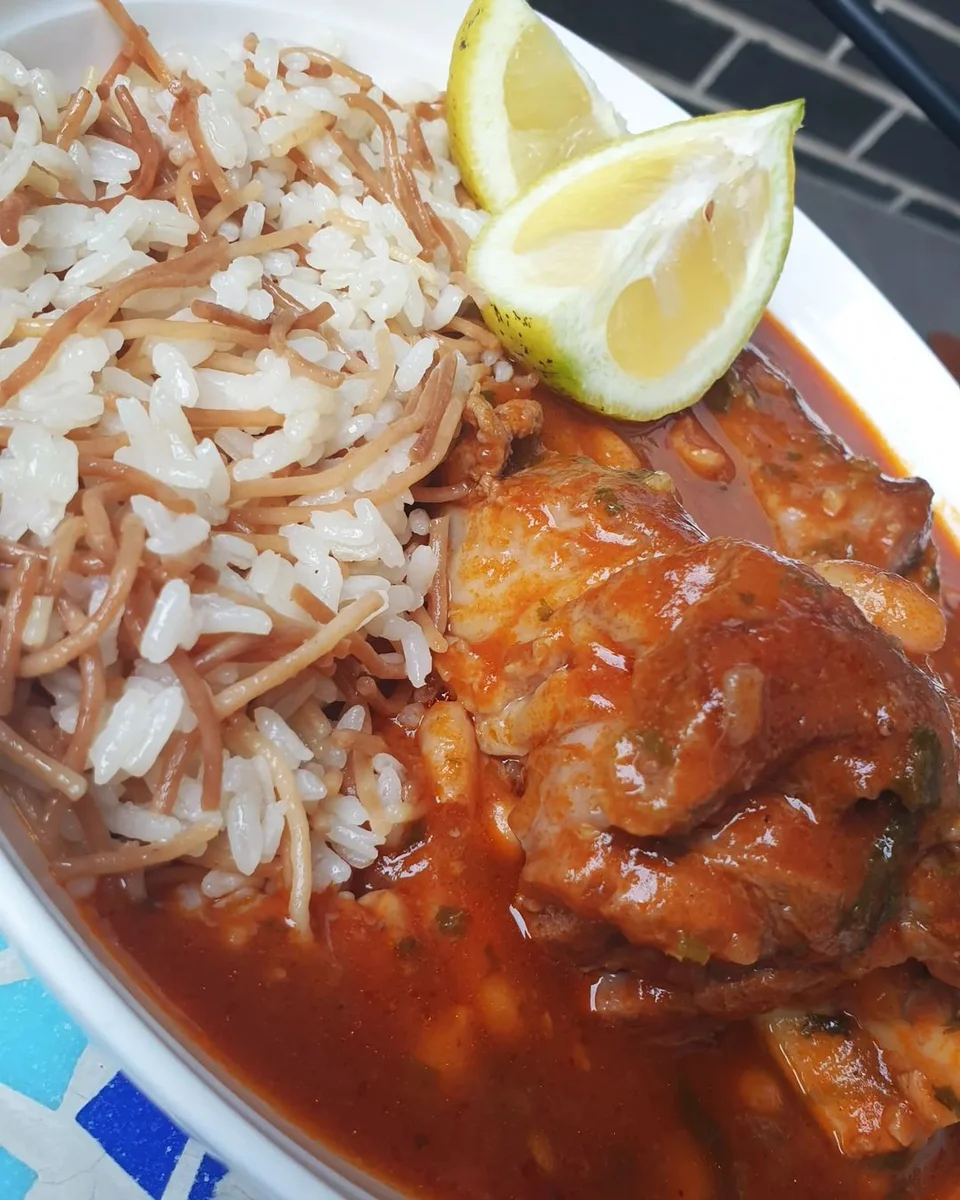
Phesoliyeh is a hearty lamb and bean stew, simmered until the meat is tender and the tomato sauce thickens. This generous version pairs lamb shanks with fresh borlotti beans, coriander and warm spices, and is served with egg-noodle rice and lemon.
Ingredients
- ½ kgfresh borlotti beans
- 3 kglamb shanks, cut into pieces
- 2 largebrown onions, diced
- 2 bunchescoriander, finely chopped
- 1 whole headgarlic, crushed
- to tasteseven-spice blend
- 1chicken stock cube
- 1beef stock cube
- to tastebay leaf
- 1cinnamon stick
- 1 bottlepassata
- 1 cancrushed tomatoes
- optional, to tastechilli
- to tastesalt
- 1 tbsp, plus as neededghee
Instructions
- 1
Brown the shanks
Heat some ghee in a large pot and sear the lamb shanks. Cover them with water, then add the bay leaf, cinnamon stick and half the chopped onions. Bring to the boil and simmer for about 3 hours, until the meat is nearly falling off the bone. Skim off any scum that rises to the surface.
- 2
Use a pressure cooker
For a quicker option, cook the shanks in a pressure cooker for ½ an hour, then finish cooking them in a pot.
- 3
Set aside the meat
Lift the shanks out of the pot and set them aside.
- 4
Fry the aromatics
Heat 1 tbsp ghee in a saucepan. Fry the remaining onion with the coriander, chilli, if using, and garlic for 2 minutes, then add this mixture to the stock with the stock cubes, seven-spice blend and salt.
- 5
Add beans and tomatoes
Add the beans, passata and crushed tomatoes to the pot.
- 6
Simmer until tender
Return the shanks to the pot and boil until the beans are soft and the sauce has thickened to your liking.
- 7
Serve with rice
Serve alongside egg-noodle rice with a squeeze of lemon juice.
What is phesoliyeh?
Phesoliyeh is a bean stew associated with Middle Eastern home cooking; its name refers to beans, while recipes vary by household and region. This version combines lamb shanks and borlotti beans in a tomato-based broth with coriander and warming spices.
The long simmer gives the lamb time to become very tender and enrich the sauce. Egg-noodle rice and lemon are served alongside for a substantial, tangy finish.
Nutrition and macros by portion
The nutrition label shows one serving as written: 1550 calories, 110g protein, 55g carbs, 100g fat.
| Portion | Adjustment | kcal | Protein | Carbs | Fat |
|---|---|---|---|---|---|
| Lighter | Use less lamb and ghee | 1085 kcal | 77g | 39g | 70g |
| This serving | As written | 1550 kcal | 110g | 55g | 100g |
| Hungry | Add a larger rice portion | 2325 kcal | 165g | 83g | 150g |
The lamb and ghee contribute most of the fat and protein, while beans, passata and tomatoes provide much of the carbohydrate and fibre. Serve a moderate bowl with extra vegetables or salad alongside, and adjust the amount of rice to suit your plate.
Choosing the beans and lamb
Fresh beans: the recipe calls for fresh borlotti beans, which cook directly in the stew and become tender as the sauce simmers. If using dried beans instead, soak and cook them separately until nearly tender before adding; the recipe does not specify timings for that substitution.
Lamb shanks: the generous quantity makes this a meat-heavy pot, and cutting the shanks into pieces helps them fit in the pot. Ask your butcher to cut them if needed.
Building the broth
Initial aromatics: half the onion, bay leaf and cinnamon simmer with the shanks, flavouring the cooking liquid as the meat softens. Skim the surface during cooking to remove the scum mentioned in the method.
Coriander mixture: frying the remaining onion, coriander, garlic and optional chilli for 2 minutes softens their raw edge before they go into the stock. Add the stock cubes and seven-spice blend at the same point.
Getting the texture right
Tender beans: simmer until the beans are soft, checking them as the pot cooks. Freshness and size can affect how quickly they become tender.
Thicker sauce: let the stew simmer until it reaches your preferred consistency. The recipe favours a thicker result and avoids tomato paste, which the cook finds too acidic.
Timing and pressure cooking
Slow simmer: allow about 3 hours for the shanks to cook in a regular pot, until the meat is nearly falling off the bone. The beans then need additional simmering time, so the total cooking time will vary.
Pressure cooker: the recipe gives ½ an hour for the shanks, followed by finishing the cooking in a pot. Continue until the beans are soft and the sauce has thickened.
Serving the stew
Egg-noodle rice: serve the stew alongside rice made with egg noodles, as suggested in the recipe. The rice makes a filling base for the rich sauce.
Lemon: squeeze lemon over the serving just before eating to add brightness. Offer chilli separately if you want diners to control the heat.
Recipe notes & tips
- Brown the shanks in batches if they crowd the pot, so they sear rather than steam.
- Keep the shanks covered with water during their initial simmer, topping up if needed.
- Skim the surface while the lamb cooks for a clearer broth.
- Add the chilli only if you want heat, or leave it out altogether.
- Taste the sauce for salt after adding both stock cubes before seasoning further.
- Let the finished stew rest briefly before serving so the sauce settles.
Variations
- More chilli: add extra chilli with the onion and coriander for a hotter stew.
- Dried beans: soak and cook them separately until nearly tender before adding them to the sauce.
- Less meat: reduce the lamb and let the beans make up more of each serving.
- Extra lemon: serve lemon wedges at the table for a sharper finish.
- Fresh herbs: reserve a little coriander to scatter over the bowls before serving.
Common mistakes to avoid
- Crowded searing: the meat steams instead of browning; sear it in batches.
- Uncovered shanks: the meat may cook unevenly; keep it covered with water during the first simmer.
- Unskimmed broth: scum remains in the liquid; remove it as it rises.
- Hard beans: the sauce can thicken before the beans soften; keep simmering until they are tender.
- Over-thick sauce: it can catch on the pot; stir occasionally and loosen with a little water if needed.
How to store
Cool leftovers promptly and refrigerate in a covered container for up to 3 days. Reheat gently in a saucepan until piping hot, stirring and adding a splash of water if the sauce has thickened; store rice separately where possible.
Frequently asked questions
Can I use dried borlotti beans?
Yes, but soak and cook them separately until nearly tender before adding them to the stew. The recipe specifies fresh beans and does not give timings for dried ones.
Can I make the lamb in a pressure cooker?
The method suggests cooking the shanks in a pressure cooker for ½ an hour, then finishing the cooking in a pot. Continue until the meat and beans are tender.
How do I know when the shanks are done?
After the initial simmer, the meat should be nearly falling off the bone. The stew is ready to finish when the beans are soft and the sauce has thickened.
Can I leave out the chilli?
Yes. It is optional, so omit it for a mild stew or serve chilli separately.
Why does this recipe not use tomato paste?
The recipe's cook prefers passata and crushed tomatoes, finding that tomato paste gives the stew an acidic taste.
What should I serve with phesoliyeh?
Serve it alongside egg-noodle rice and finish with a squeeze of lemon juice, as the recipe suggests.
Cook it from the original
This recipe comes from fooooods.com. Their page has the author’s own photos, notes and tips — the best place to cook it from.
Open the recipe on fooooods.com