
Lebanese Tabbouleh
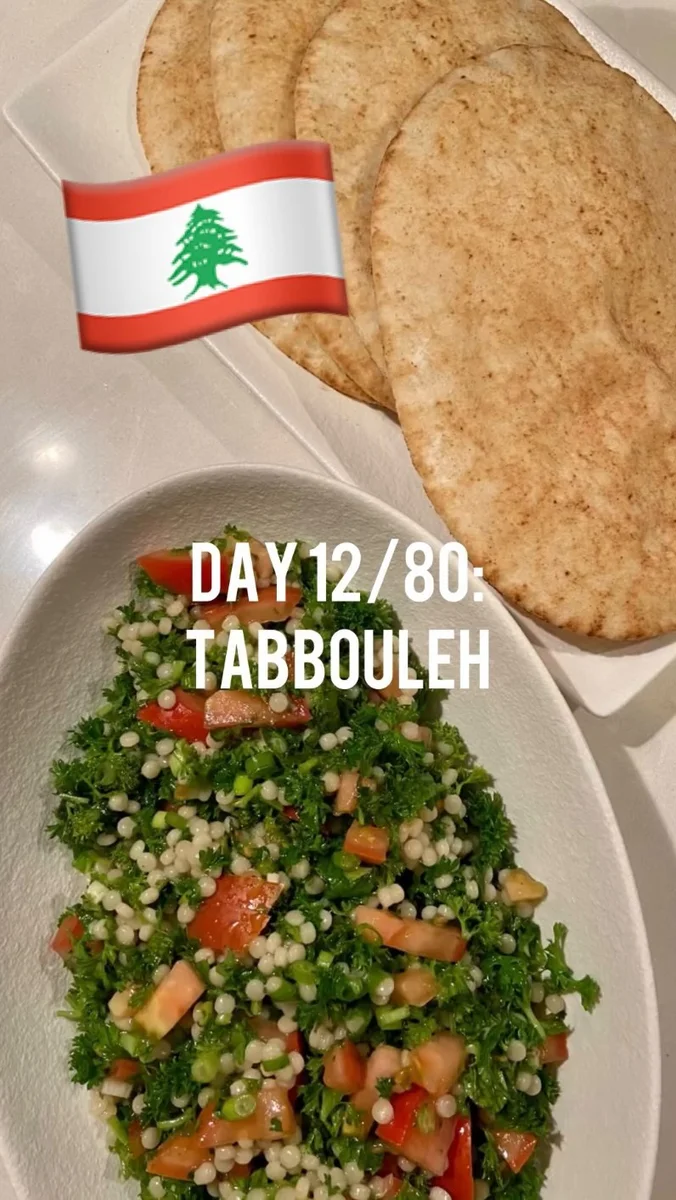
This fresh, herb-led tabbouleh combines couscous with parsley, mint, spring onion, lemon and olive oil. It comes together quickly and makes a bright side dish for a mezze spread or grilled food.
Ingredients
- 170 g (1 cup)couscous
- 60 g (2 cups)parsley, finely chopped
- 20 g (1 cup)mint, finely chopped
- 50 g (½ cup)spring onion, finely chopped
- 15 ml (1 tbsp)lemon juice
- 30 ml (2 tbsp)olive oil
- to tastesalt
Instructions
- 1
Combine ingredients
Put the couscous, parsley, mint, spring onion, lemon juice, olive oil and salt in a bowl.
- 2
Mix well
Stir everything together until the ingredients are evenly combined.
- 3
Serve the tabbouleh
Enjoy!
What is Lebanese tabbouleh?
Tabbouleh is a Levantine salad known for its generous amount of chopped herbs, especially parsley, with mint, lemon and a grain. Traditional versions commonly use bulgur; this recipe uses couscous for a different, quick-mixing take on the dish.
The herbs bring freshness, while lemon and olive oil give the salad its sharp, rounded dressing. Spring onion adds a mild savoury bite.
Nutrition and macros by portion
The nutrition label shows one serving as written: 238 calories, 8g protein, 41g carbs, 8g fat.
| Portion | Adjustment | kcal | Protein | Carbs | Fat |
|---|---|---|---|---|---|
| Lighter | Use less olive oil | 167 kcal | 5g | 29g | 6g |
| This serving | As written | 238 kcal | 8g | 41g | 8g |
| Hungry | Serve a larger portion | 357 kcal | 11g | 62g | 12g |
Most of the carbohydrates come from the couscous, while olive oil supplies most of the fat. The herbs contribute a small amount of protein, but this salad is not a substantial protein source; serve it with beans, grilled fish or another protein-rich dish to make a more balanced plate.
The couscous choice
Couscous: the recipe adds it directly to the bowl, without a separate cooking or soaking instruction. Use it as supplied and follow the method as written; the result may have a firmer texture than couscous that has been hydrated.
Herbs: finely chopped parsley and mint are the main fresh components, so chop them evenly to help distribute their flavour through the salad.
Chopping and mixing
Fine cuts: small, consistent pieces make the parsley, mint and spring onion easier to mix through the couscous. Take care not to crush the herbs as you chop them.
Gentle mixing: fold and stir until the oil and lemon juice coat the ingredients. Stop once everything is combined so the chopped herbs retain their texture.
Balancing the flavour
Lemon and oil: lemon juice brings acidity, while olive oil softens it and helps carry the herb flavours. Mix thoroughly so neither collects at the bottom of the bowl.
Salt: add it to taste, starting modestly and adjusting after mixing. This lets you judge the seasoning across the whole salad.
Texture and serving
The finished salad should look colourful, with green herbs and spring onion spread through the couscous. Since the method does not specify a resting time, serve it once mixed or let it stand briefly if you prefer the flavours to mingle.
Serve it alongside grilled vegetables, meat or fish, or include it as part of a mezze-style spread with flatbread and dips.
A practical timing note
The method has no stated total time and does not include a separate couscous preparation stage. If your couscous needs cooking or hydration according to its packet, prepare it that way before combining it with the other ingredients.
Chopping the herbs is the main hands-on task. You can do that while the couscous is being prepared, if needed.
Recipe notes & tips
- Dry the herbs well after washing so excess water does not dilute the dressing.
- Chop the parsley and mint finely for an even herb distribution.
- Add salt gradually and taste after mixing.
- Use freshly squeezed lemon juice for a clean citrus flavour.
- If your couscous requires hydration, prepare it according to its packet before adding it to the bowl.
Variations
- Add cucumber: finely dice it for extra crunch and freshness.
- Use bulgur: replace the couscous with prepared bulgur for a more traditional grain choice.
- Add tomato: fold in finely chopped tomato just before serving.
- Make it more lemony: add extra lemon juice a little at a time and taste as you go.
- Add chickpeas: mix in drained chickpeas for a heartier salad.
Common mistakes to avoid
- Wet herbs: excess water can thin the dressing; dry the herbs thoroughly after washing.
- Uneven chopping: large herb pieces can dominate a bite; chop the parsley and mint finely.
- Too much salt at once: seasoning is harder to correct; add a little, mix and taste before adding more.
- Skipping couscous preparation: some couscous needs hydration before use; check its packet and prepare it if required.
- Dressing left at the bottom: the flavours will be uneven; stir thoroughly before serving.
How to store
Refrigerate leftovers in an airtight container and use within 2 days for the freshest herb texture. This salad is best served cold or at room temperature; stir it before serving, and avoid reheating the herbs.
Frequently asked questions
Is this the traditional Lebanese version of tabbouleh?
This recipe uses couscous, whereas traditional tabbouleh commonly uses bulgur and a larger proportion of parsley. It is a quick variation rather than a classic preparation.
Does the couscous need to be cooked first?
The method does not give a separate cooking step. Check the packet instructions and prepare the couscous as required before mixing it with the herbs and dressing.
Can I make tabbouleh ahead?
You can chop and store the ingredients ahead, then mix them closer to serving for the freshest texture. If already combined, keep it covered in the fridge and stir before serving.
Can I use dried mint?
Fresh mint is specified and gives the salad its fresh flavour. If using dried mint instead, add a small amount at a time and adjust to taste.
What can I serve with tabbouleh?
Serve it with grilled fish, meat or vegetables, or alongside flatbread and dips as part of a mezze-style meal.
Cook it from the original
This recipe comes from fooooods.com. Their page has the author’s own photos, notes and tips — the best place to cook it from.
Open the recipe on fooooods.com