
Quick Veggie Stir-Fry
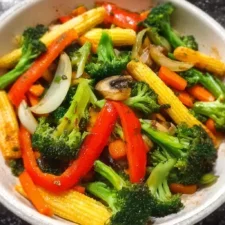
Ingredients
- 1/2 cup Low-Sodium Soy Sauce or Tamari: This forms the savory, umami-rich base of our sauce. Using low-sodium gives you more control over the saltiness. Tamari is a great gluten-free alternative.
- 1/4 cup Water or Vegetable Broth: This helps to balance the sauce’s intensity and create enough liquid to coat all the vegetables.
- 2 Tablespoons Honey or Maple Syrup: A touch of sweetness is crucial to balance the salty and tangy elements, creating a perfectly harmonious flavor profile. Maple syrup makes the recipe fully vegan.
- 1 Tablespoon Rice Vinegar: This adds a bright, tangy note that cuts through the richness and wakes up all the other flavors.
- 1 Tablespoon Toasted Sesame Oil: A little goes a long way! This is added for its deep, nutty aroma and flavor, a hallmark of many Asian dishes.
- 1 Tablespoon Cornstarch: The secret ingredient for a glossy, thick sauce that beautifully clings to every vegetable instead of pooling at the bottom of the pan.
- 1 Teaspoon Freshly Grated Ginger: Provides a warm, zesty, and slightly spicy kick that is essential for a vibrant stir-fry.
- 2 Cloves Garlic, Minced: This aromatic powerhouse lays the foundational flavor for the entire dish.
- 1 Tablespoon High-Smoke Point Oil (e.g., Avocado, Canola, or Grapeseed Oil): Essential for stir-frying at high temperatures without burning and creating smoke.
- 1 Small Yellow Onion, Sliced: Adds a foundational layer of sweet and savory flavor as it cooks.
- 1 Head of Broccoli, Cut into Bite-Sized Florets: These little green trees are perfect for soaking up the sauce and adding a wonderful texture and nutritional punch.
- 1 Red Bell Pepper, Sliced: Provides a beautiful splash of color, sweetness, and a delightful crisp-tender texture.
- 1 Large Carrot, Julienned or Thinly Sliced on a Diagonal: Adds sweetness, color, and a satisfying crunch that holds up well to the heat.
- 1 cup Snap Peas: These bring a burst of freshness and a distinct, snappy crunch to the dish.
- 1 cup Sliced Cremini Mushrooms: Lends a savory, earthy depth and a meaty texture to the veggie mix.
- Optional Plant-Based Protein: 1 block of extra-firm tofu (pressed and cubed) or 1 cup of shelled edamame for a heartier, protein-packed meal.
Instructions
- 1
Prepare the Magical Stir-Fry Sauce: In a medium-sized bowl or a liquid measuring cup, combine all the sauce ingredients: the low-sodium soy sauce, water, honey or maple syrup, rice vinegar, toasted sesame oil, grated ginger, minced garlic, and cornstarch. Whisk vigorously until the cornstarch and honey are fully dissolved and the mixture is smooth and uniform. Set this bowl aside. This step is crucial to do first, as the stir-fry process is too fast to pause and mix a sauce.
- 2
The “Mise en Place”: This French term simply means “everything in its place,” and it’s the golden rule of stir-frying. Wash and chop all your vegetables as described in the ingredients list. Having every single component ready and within arm’s reach of your stove is non-negotiable for success. The cooking part of this recipe takes only minutes, so you won’t have time to chop a carrot while the onion is sizzling.
- 3
Heat the Pan: Place a large wok or a wide, heavy-bottomed skillet over high heat. Let the pan get screaming hot. You’ll know it’s ready when you can see a slight shimmer in the pan or when a drop of water sizzles and evaporates almost instantly.
- 4
Sizzle the Aromatics: Add the high-smoke point oil to the hot pan. It should shimmer immediately. Swirl to coat the bottom. Carefully add the sliced onion and cook for 1-2 minutes, stirring constantly, until it begins to soften and become fragrant.
- 5
Layer the Vegetables: Stir-frying is an art of layering based on cooking time. Start with the densest vegetables that take the longest to cook. Add the broccoli florets and carrots to the pan. Stir-fry for 3-4 minutes, keeping everything in constant motion. The goal is to get a nice char and color without letting anything burn.
- 6
Add the Softer Veggies: Next, add the sliced bell pepper, snap peas, and mushrooms to the wok. Continue to stir-fry for another 2-3 minutes. The vegetables should be vibrant in color and become “crisp-tender”—cooked through but still retaining a pleasant bite. This is the texture you’re aiming for; avoid cooking them until they become soft and mushy. If you’re adding edamame, now is the time to toss it in.
- 7
Bring on the Sauce: Give your prepared sauce one final quick whisk to ensure the cornstarch hasn’t settled at the bottom. Pour the sauce all over the vegetables in the pan. It will bubble and hiss immediately upon hitting the hot surface.
- 8
Thicken and Serve: Continue to stir and toss everything together constantly for about 1-2 minutes. The heat will activate the cornstarch, and you will see the sauce transform from a thin liquid into a thick, glossy glaze that coats every single piece of vegetable. Once the sauce has thickened and everything is beautifully coated, remove the pan from the heat immediately to prevent overcooking. Serve hot.
Cook it from the original
This recipe comes from betterhomerecipes.com. Their page has the author’s own photos, notes and tips — the best place to cook it from.
Open the recipe on betterhomerecipes.com