
Fluffy Homemade Dinner Rolls
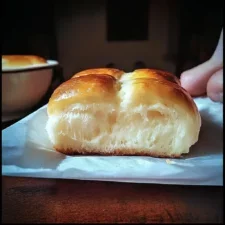
These soft, lightly sweet dinner rolls are made with an enriched yeast dough and baked close together until golden. They are a lovely choice for a family meal, especially when served warm with butter.
Ingredients
- 420 g (3½ cups)plain flour
- 7 g (2¼ teaspoons; 1 packet)active dry yeast
- 25 g (2 tablespoons)granulated sugar
- 9 g (1½ teaspoons)salt
- 240 ml (1 cup), warmed to 40–46°Cmilk
- 57 g (¼ cup; ½ stick), meltedunsalted butter
- 1 largeegg
- 28 g (2 tablespoons), meltedunsalted butter, for brushing
Instructions
- 1
Activate the yeast
In a large bowl, or a stand mixer bowl fitted with a dough hook, stir together the warm milk, sugar and yeast. Leave for 5–10 minutes, until slightly foamy. If it does not foam, start again with fresh yeast and properly warmed milk.
- 2
Mix wet ingredients
Add the melted butter, egg and salt to the foamy yeast mixture. Make sure the butter has cooled slightly, then whisk gently to combine.
- 3
Add flour and knead
Add the flour gradually, about ½ cup at a time, mixing on low speed or stirring by hand. When the dough comes together, knead with a mixer on medium-low for 6–8 minutes, or by hand for 8–10 minutes, until smooth, elastic and slightly tacky. If it is too sticky, add flour a tablespoon at a time, taking care not to add too much.
- 4
Let dough rise
Shape the dough into a ball and place it in a lightly greased bowl, turning it to coat. Cover and leave in a warm, draught-free place for 1–1½ hours, until doubled in size.
- 5
Shape the rolls
Gently press the dough to release the air, then turn it onto a lightly floured surface. Divide it into 12 equal portions. Pull the edges of each portion underneath to make a smooth ball, then pinch the seam closed.
- 6
Proof the rolls
Arrange the rolls in a greased 23 × 33 cm (9 × 13 inch) baking pan, leaving a little room between them. Cover loosely and leave in a warm, draught-free place for 30–45 minutes, until puffy and nearly doubled.
- 7
Bake until golden
While the rolls proof, heat the oven to 190°C (375°F). Bake the puffed rolls for 15–20 minutes, until golden brown. Baking time may vary; the rolls should sound hollow when lightly tapped underneath.
- 8
Brush and cool
Take the rolls out of the oven and immediately brush the tops with the remaining 28 g melted butter. Leave them in the pan for a few minutes before serving warm.
What are dinner rolls?
Dinner rolls are small, soft yeast breads commonly served alongside a meal. This enriched version uses milk, butter and egg for a tender crumb, while baking the rolls together helps keep their sides soft.
Nutrition and macros by portion
The nutrition label shows one serving as written: 200 calories, 0g protein, 30g carbs, 8g fat.
| Portion | Adjustment | kcal | Protein | Carbs | Fat |
|---|---|---|---|---|---|
| Lighter | Smaller roll portion | 140 kcal | 0g | 21g | 6g |
| This serving | As written | 200 kcal | 0g | 30g | 8g |
| Hungry | Add another roll | 300 kcal | 0g | 45g | 12g |
The flour provides most of the carbohydrates, while the butter and egg contribute much of the fat; the milk, egg and flour provide some protein. Pair a roll with a protein-rich main and vegetables for a more balanced plate.
The dough ingredients
Flour and yeast: Plain flour gives the rolls their structure, while active dry yeast makes the dough rise. Check that the yeast foams after standing in the warm milk mixture.
Milk, butter and egg: These enrich the dough and contribute to its soft texture and flavour. Let the melted butter cool a little before mixing it with the egg.
Kneading cues
Texture: Properly kneaded dough should feel smooth, elastic and slightly tacky rather than wet or sticky. Add extra flour only a tablespoon at a time, as too much can make the finished rolls dry.
Two rises matter
First rise: Give the covered dough 1–1½ hours in a warm, draught-free spot, or until doubled. The dough’s size is a better guide than the clock alone.
Second rise: After shaping, allow 30–45 minutes for the rolls to become puffy and nearly doubled. This proof helps them bake up light rather than dense.
Shaping for soft rolls
Smooth tops: Pull the edges of each portion underneath and pinch the seam closed. This makes a taut top and helps each roll hold its shape as it rises.
Room to expand: Arrange the portions with a little space between them in the greased pan. They will grow during proofing and baking.
When are they done?
Colour: Look for golden-brown tops after 15–20 minutes at 190°C. Keep an eye on them towards the end, since ovens can vary.
Sound: The recipe also suggests tapping lightly on the bottom; a hollow sound is a cue that the rolls are baked through. Brush with butter as soon as they come out for a soft, glossy finish.
What to serve with them
Serve the rolls warm with soup, stew or a roast dinner, or put them on the table with butter. Their mild, slightly sweet flavour also works well alongside savoury spreads.
Recipe notes & tips
- Measure the flour carefully so the dough does not become dry from excess flour.
- Use milk warmed to 40–46°C to help activate the yeast.
- Check that the yeast mixture becomes slightly foamy before continuing.
- Keep the dough covered during both rises so its surface does not dry out.
- Brush the rolls with melted butter immediately after baking for a glossy top.
Variations
- Herb finish: Stir finely chopped herbs into the melted butter used for brushing.
- Garlic butter: Add a little crushed garlic to the finishing butter for a savoury topping.
- Seeded tops: Sprinkle seeds over the rolls just before baking.
- Wholemeal flour: Replace part of the plain flour with wholemeal flour, bearing in mind the texture may be less light.
- Sweet finish: Add a little extra sugar to the dough for a sweeter roll.
Common mistakes to avoid
- Milk too hot: Excess heat can stop the yeast working; warm the milk to 40–46°C.
- No yeast foam: The yeast may be inactive or the milk may be too cool; check both and begin again.
- Too much extra flour: The rolls can turn dry; add flour only a tablespoon at a time if the dough is sticky.
- Skipping the second rise: The rolls may be dense; proof them until puffy and nearly doubled.
- Overbaking: The rolls can lose their soft texture; check for golden tops from 15 minutes onwards.
How to store
Store cooled rolls in an airtight container at room temperature for up to 2 days. Warm them briefly in a low oven before serving; they can also be frozen and thawed before reheating.
Frequently asked questions
Can I knead the dough by hand?
Yes. Stir the flour in with a wooden spoon or spatula, then knead by hand for 8–10 minutes, until the dough is smooth and elastic.
How do I know the yeast is active?
After 5–10 minutes in the warm milk and sugar, the mixture should look slightly foamy or bubbly. If it does not, start again with fresh yeast.
Can I make the rolls without a stand mixer?
Yes. Use a large bowl and mix by hand, then knead the dough on a lightly floured surface for 8–10 minutes.
How many rolls does this recipe make?
The dough is divided into 12 rolls.
Can I prepare the rolls ahead?
The dough needs two rises, so allow time for both. For a make-ahead option, freeze baked rolls and thaw and warm them when needed.
Why are my rolls dense?
They may not have risen enough, or too much flour may have been added during kneading. Let them become puffy during the second rise and keep the dough slightly tacky.
Cook it from the original
This recipe comes from betterhomerecipes.com. Their page has the author’s own photos, notes and tips — the best place to cook it from.
Open the recipe on betterhomerecipes.com