
Cheesy Spinach and Ricotta Lasagna: a Comforting Classic
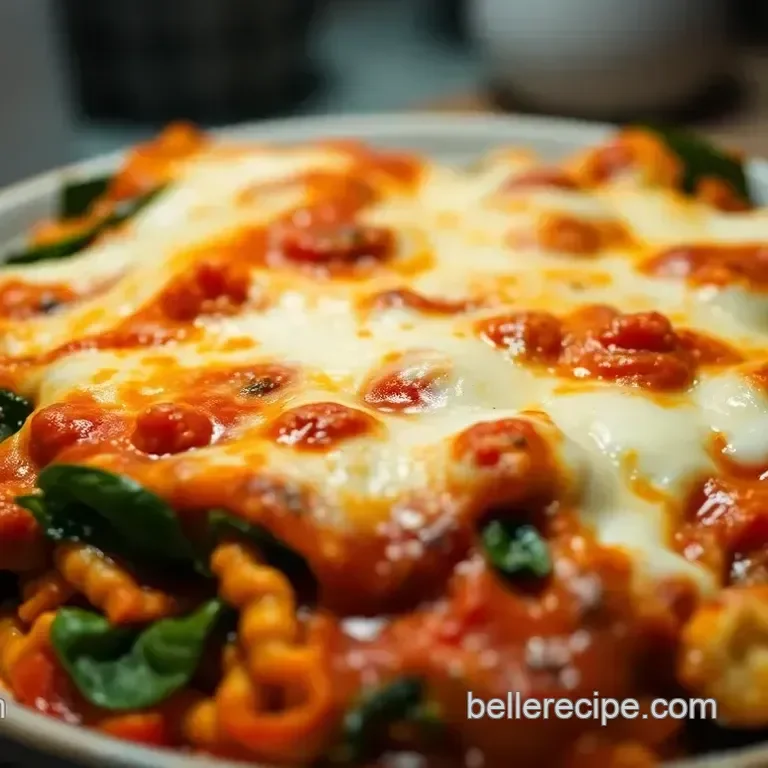
This Italian-inspired lasagna layers tomato sauce, tender pasta and a creamy spinach-and-ricotta filling, finished with Parmesan. It’s a comforting bake for sharing, with a short rest that helps it slice neatly.
Ingredients
- 30 ml (2 tablespoons)olive oil
- 2 clovesgarlic, minced
- 397 g (14 oz)tinned crushed tomatoes
- 1 teaspoondried oregano
- 1 teaspoondried basil
- to tastesalt and pepper
- 425 g (15 oz)ricotta cheese
- about 110 g (1 cup)grated mozzarella cheese
- about 30 g (1 cup)fresh spinach, chopped
- ½ teaspoonnutmeg
- 1 largeegg
- 9–12lasagne sheets
- about 100 g (1 cup)grated Parmesan cheese
Instructions
- 1
Heat the oil
Warm the olive oil in a frying pan over a medium heat.
- 2
Cook the garlic
Add the minced garlic and sauté for about 1 minute, until fragrant.
- 3
Simmer the sauce
Stir in the crushed tomatoes, oregano, basil, salt and pepper. Simmer for 15 minutes.
- 4
Cook the pasta
Bring a large pan of water to the boil and cook the lasagne sheets until al dente, about 8–10 minutes.
- 5
Cool the pasta
Drain the sheets and cool them under cold water.
- 6
Mix the filling
In a mixing bowl, combine the ricotta, mozzarella, chopped spinach, nutmeg and egg. Season with salt and pepper, then mix until smooth.
- 7
Add the sauce
Spread a layer of sauce over the bottom of a baking dish.
- 8
Layer the filling
Arrange lasagne sheets over the sauce and spread half of the ricotta filling on top.
- 9
Finish layering
Repeat the layers of sauce, pasta and ricotta. Finish with pasta, the remaining sauce and a sprinkle of Parmesan.
- 10
Bake covered
Cover the dish with foil and bake at 190°C (375°F) for 25 minutes.
- 11
Brown the top
Remove the foil and bake for a further 15–20 minutes, until bubbly and golden.
- 12
Rest and slice
Leave the lasagne to rest for 10 minutes before slicing.
What is spinach and ricotta lasagne?
Lasagne is an Italian baked pasta dish built from layers of pasta and filling. Spinach and ricotta make a familiar meat-free combination, with tomato sauce adding brightness and Parmesan bringing a savoury finish.
This version keeps the filling simple and smooth, while the tomato sauce cooks separately before assembly. Baking it under foil first helps heat the layers through; removing the foil at the end lets the top turn golden.
Nutrition and macros by portion
The nutrition label shows one serving as written: 370 calories, 0g protein, 0g carbs, 18g fat.
| Portion | Adjustment | kcal | Protein | Carbs | Fat |
|---|---|---|---|---|---|
| Lighter | More spinach, less cheese | 259 kcal | 0g | 0g | 13g |
| This serving | As written | 370 kcal | 0g | 0g | 18g |
| Hungry | Larger lasagne portion | 555 kcal | 0g | 0g | 27g |
The pasta and tomatoes provide most of the carbohydrates, while olive oil and the cheeses contribute much of the fat. Ricotta, mozzarella, Parmesan and egg supply protein. Pair a slice with a generous green salad or vegetables for a more balanced plate.
The tomato sauce
Garlic: Give it about a minute in the oil, just until fragrant. If it starts to brown, move straight on to the tomatoes so it does not turn bitter.
Herbs: Dried oregano and basil flavour the tinned tomatoes as they simmer. The 15-minute simmer gives the sauce time to meld before it goes into the dish.
Getting the filling right
Ricotta and egg: Mixing these with mozzarella makes a filling that is creamy but holds together better once baked. Stir until smooth rather than leaving large pockets of ricotta.
Spinach: Chop the fresh leaves so they spread through the filling instead of clumping in one part of a layer. Nutmeg adds a warm note alongside the cheeses.
Cooking the lasagne sheets
Al dente: Cook the sheets for the stated 8–10 minutes, checking their texture as they approach the end of that range. They should still have a little firmness because they will bake again in the assembled dish.
Cooling: Drain the pasta and run it under cold water as directed. This helps stop the cooking and makes the sheets easier to handle while layering.
Layering and baking
First layer: Spread sauce across the base before adding pasta, so the bottom layer has moisture beneath it. Keep the ricotta filling in an even layer for more consistent portions.
Finish: The final pasta layer is topped with the remaining sauce and Parmesan. Keep the foil on for the first 25 minutes at 190°C, then uncover for 15–20 minutes until the top is bubbly and golden.
Resting and serving
The 10-minute rest after baking helps the layers settle, making the lasagne easier to slice without losing its shape. Use a sharp knife and a broad serving spoon to lift each piece.
Serve it with a crisp green salad or steamed vegetables to balance the rich cheese and pasta. A little extra black pepper at the table complements the tomato and spinach.
Recipe notes & tips
- Taste the tomato sauce after simmering and adjust its salt and pepper before assembling.
- Use a large baking dish so the pasta and filling can be spread in even layers.
- Keep the lasagne sheets separate as they cool to make them easier to arrange.
- Check the top near the end of the uncovered bake and remove the dish when it is bubbly and golden.
- Rest the bake for the full 10 minutes before cutting to help the slices hold together.
Variations
- Add extra greens: Fold chopped, cooked greens into the ricotta mixture for a more vegetable-forward filling.
- Use fresh herbs: Swap the dried basil or oregano for chopped fresh herbs, adding them to the sauce as it simmers.
- Try a different cheese: Replace some of the mozzarella with grated provolone for a distinct savoury flavour.
- Add chilli: Stir a pinch of chilli flakes into the tomato sauce for gentle heat.
- Make it meatier: Add cooked, browned mince to the tomato sauce before its 15-minute simmer.
Common mistakes to avoid
- Browning the garlic: It can taste bitter; add the tomatoes as soon as the garlic is fragrant.
- Overcooking the pasta: Soft sheets can become fragile in the oven; stop at al dente after about 8–10 minutes.
- Uneven filling: Thick clumps make patchy layers; mix the ricotta filling until smooth before spreading.
- Skipping the foil: The top may brown before the centre is hot; cover for the first 25 minutes as directed.
- Cutting too soon: The layers may slide apart; let the baked lasagne rest for 10 minutes before slicing.
How to store
Cool leftovers, cover or place them in an airtight container, and refrigerate for up to 3 days. Reheat portions until piping hot throughout; covered reheating helps keep the pasta from drying out.
Frequently asked questions
Can I assemble the lasagne ahead of time?
You can assemble it ahead and keep it covered in the refrigerator before baking. Allow extra time for it to heat through if it goes into the oven cold.
Do I need to cook the lasagne sheets first?
Yes, this method calls for boiling them for about 8–10 minutes until al dente, then draining and cooling them under cold water.
How do I know when the lasagne is ready?
After the covered bake and the additional 15–20 minutes uncovered, look for bubbling sauce and a golden top.
Why should the lasagne rest before slicing?
Resting for 10 minutes helps the layers settle, so the portions are easier to lift and serve.
Can I use frozen spinach?
Fresh spinach is specified here. If using frozen spinach, thaw it and squeeze out excess water before mixing it into the filling to avoid making it watery.
Cook it from the original
This recipe comes from bellerecipe.com. Their page has the author’s own photos, notes and tips — the best place to cook it from.
Open the recipe on bellerecipe.com