
Teriyaki Chicken Thighs
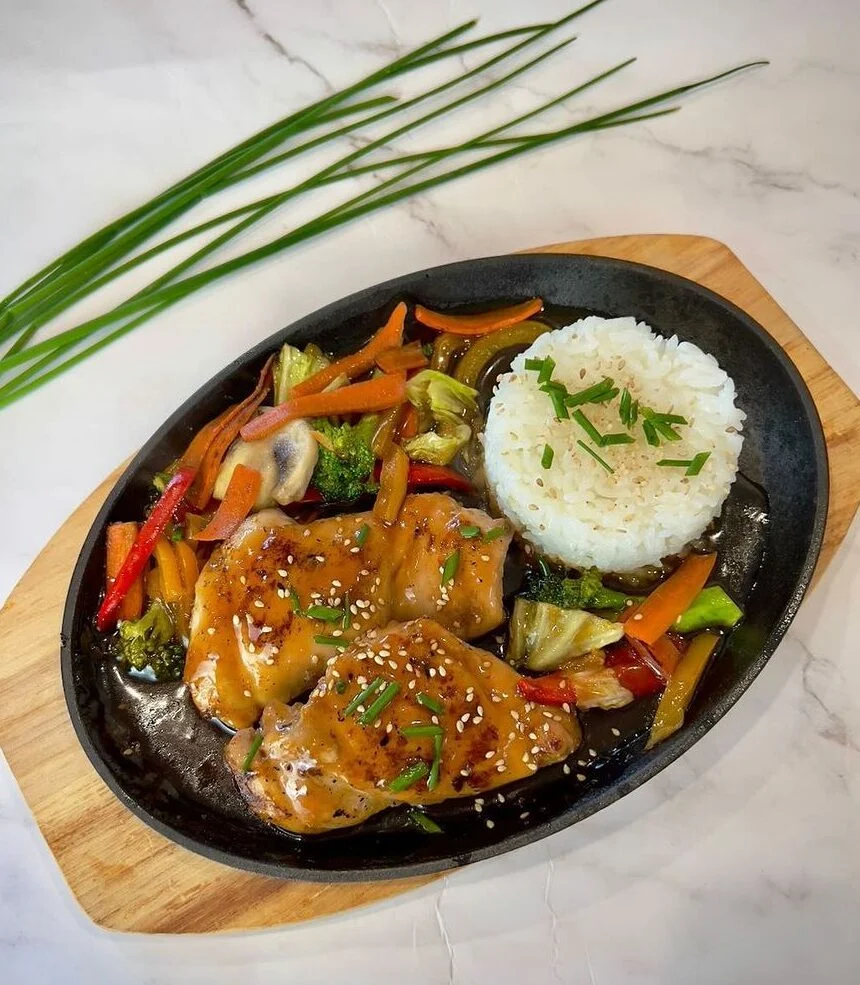
Teriyaki chicken thighs are served with sticky short-grain rice and sautéed vegetables, all brought together with a sweet, savoury and gently spicy sauce. It makes a filling one-pan-style dinner, with the rice cooking separately while you prepare the chicken and vegetables.
Ingredients
- 1 kgboneless chicken thighs
- 1 tbspsoya sauce
- 1 tspminced ginger
- 2minced garlic cloves
- al gustovegetables (broccoli, carrot, sweet pepper, mushrooms and cabbage)
- al gustovegetable oil, for cooking the vegetables and chicken
- 380 g (2 cups)short-grain rice
- 600 ml (2 1/2 cups)water, for the rice
- 120 ml (1/2 cup)soya sauce, for the sauce
- 120 ml (1/2 cup)water, for the sauce
- 110 g (1/3 cup)honey
- 1 tbsprice vinegar
- 1 tbspsesame oil
- 1 tbspcornflour
- 1 tspminced ginger
- 1 tspminced garlic
- 1 tsp or more, to tastesriracha
- to tastesesame seeds, for garnish
- to tastechives, for garnish
Instructions
- 1
Marinate the chicken
Wash the chicken thighs, then marinate them with 1 tbsp soya sauce, 1 tsp minced ginger and 2 minced garlic cloves.
- 2
Make the sauce
Mix the sauce ingredients together and cook for a couple of minutes, until the sauce thickens.
- 3
Sauté the vegetables
Cut the vegetables and sauté them, then transfer them to a plate.
- 4
Cook the chicken
Cook the chicken on both sides over high heat.
- 5
Add the sauce
Pour the sauce over the chicken.
- 6
Garnish and serve
Garnish with sesame seeds and chives. Enjoy with steamed rice and vegetables.
What are teriyaki chicken thighs?
Teriyaki is a Japanese cooking style associated with food glazed in a glossy, savoury-sweet sauce. This version pairs chicken thighs with a sauce made from soya sauce, honey, rice vinegar, sesame oil, ginger, garlic and sriracha.
The thighs make a substantial centrepiece, while rice and mixed vegetables turn the dish into a complete dinner. Cooking the sauce until it thickens helps it cling to the chicken.
Nutrition and macros by portion
The nutrition label shows one serving as written: 1050 calories, 70g protein, 110g carbs, 34g fat.
| Portion | Adjustment | kcal | Protein | Carbs | Fat |
|---|---|---|---|---|---|
| Lighter | More vegetables, less rice | 735 kcal | 49g | 77g | 24g |
| This serving | As written | 1050 kcal | 70g | 110g | 34g |
| Hungry | Larger rice portion | 1575 kcal | 105g | 165g | 51g |
Rice and honey provide much of the carbohydrate, while the chicken thighs contribute most of the protein and a substantial share of the fat. The sesame oil and cooking oil add further fat, and the soya sauce is the main source of sodium. Serve a generous amount of vegetables alongside the rice and chicken to balance the plate.
The chicken and marinade
Marinade: the first soya sauce, ginger and garlic season the chicken before it goes into the pan. Coat the thighs evenly so those flavours reach across their surfaces.
Thighs: boneless thighs are convenient to cook and serve. The recipe does not specify a marinating time, so proceed once they are coated.
Getting the sauce glossy
Cornflour: mix it thoroughly with the other sauce ingredients so it does not remain in dry lumps. Heating the mixture for a couple of minutes thickens it.
Heat: stir the sauce as it cooks and watch for it to become thicker. Sriracha can be increased to suit your preferred level of heat.
Cooking the vegetables
Cutting: slice the broccoli, carrot, sweet pepper, mushrooms and cabbage into pieces that are manageable to sauté. Keeping the pieces reasonably similar in size helps them cook more evenly.
Sautéing: cook the vegetables in vegetable oil, then move them to a plate before cooking the chicken. This keeps them separate until serving and frees the pan for the thighs.
Chicken doneness and timing
High heat: the method calls for cooking the chicken on both sides over high heat. Use a pan large enough to give the thighs room rather than stacking them.
Doneness: the recipe gives no cooking time, so check the thickest part of a thigh with a food thermometer and follow your local safe-temperature guidance. The thickest pieces may need longer than thinner ones.
Rice and serving
Rice: cook the short-grain rice with 600 ml water, following the directions on its packet if they differ. Keep it covered while it cooks and rests so it is ready alongside the chicken.
To serve: spoon the chicken and sauce over the rice, with the sautéed vegetables alongside. Finish with sesame seeds and chives.
Recipe notes & tips
- Prepare and cut the vegetables before heating the pan so they are ready to sauté.
- Use a wide pan to give the chicken room to cook on both sides.
- Stir the sauce while it heats so the cornflour thickens it evenly.
- Taste the sauce before serving and add more sriracha if you want extra heat.
- Keep the sautéed vegetables on a plate while you cook the chicken.
- Cook the rice according to its packet instructions if they differ from the listed water ratio.
Variations
- More heat: increase the sriracha to suit your taste.
- Extra vegetables: use more broccoli, carrot, sweet pepper, mushrooms or cabbage.
- Sesame finish: scatter sesame seeds over the chicken just before serving.
- Fresh garnish: add the chives at the end so they remain distinct.
- Vegetable mix: choose a different combination of the listed vegetables to suit what you have.
Common mistakes to avoid
- Crowded pan: the chicken may cook unevenly; leave space between the thighs or cook them in batches.
- Lumpy sauce: whisk the cornflour into the other sauce ingredients thoroughly before cooking.
- Overcooked vegetables: sauté them only until cooked to your liking, then move them off the heat.
- Unseasoned chicken: coat every thigh with the marinade before cooking.
- Guessing doneness: check the thickest part of the chicken with a food thermometer and follow local safe-temperature guidance.
How to store
Refrigerate leftovers in a covered container within two hours and eat within 3 days. Reheat the chicken, rice and vegetables until steaming hot throughout; add a splash of water if the sauce has thickened in the fridge.
Frequently asked questions
Can I use chicken breast instead of thighs?
Yes, but breast can dry out more readily. Check it carefully as it cooks and avoid leaving it over high heat longer than needed.
How long should I marinate the chicken?
The recipe does not specify a marinating time. Coat the chicken with the soya sauce, ginger and garlic, then cook when you are ready.
Can I make the sauce less spicy?
Yes. Start with the listed 1 tsp of sriracha or use less, then add more to taste.
Which vegetables work in this recipe?
The recipe lists broccoli, carrot, sweet pepper, mushrooms and cabbage. Use any mix of these that you like.
How do I know when the sauce is thick enough?
It should visibly thicken after a couple of minutes of cooking. Keep stirring and take it off the heat once it has a coating consistency.
Can I prepare parts of the dish ahead?
You can cut the vegetables and mix the sauce ingredients ahead. Keep them covered and chilled until you are ready to cook.
Cook it from the original
This recipe comes from fooooods.com. Their page has the author’s own photos, notes and tips — the best place to cook it from.
Open the recipe on fooooods.com