
Lemon Tofu Stir-Fry
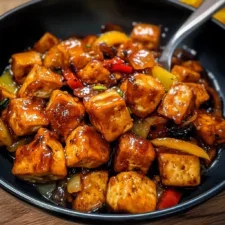
This lemon tofu stir-fry pairs crisp, cornstarch-coated tofu with bright, sweet-savoury sauce and tender-crisp vegetables. It’s a good choice when you want a colourful one-pan meal with plenty of fresh lemon flavour.
Ingredients
- 1 block (397–454 g; 14–16 oz)firm or extra-firm tofu, pressed very well and cut into 2 cm cubes
- 2 tbsp (about 16 g)cornstarch
- 1 tbsp (15 ml)soy sauce or tamari
- 2–3 tbsp (30–45 ml)neutral cooking oil, such as rapeseed, grapeseed or avocado oil
- 60 ml (¼ cup)low-sodium soy sauce or tamari
- 60 ml (¼ cup)fresh lemon juice
- 60 ml (¼ cup)vegetable stock or water
- 2 tbsp (30 ml)maple syrup or agave nectar
- 1 tbsp (about 8 g)cornstarch
- 1 tbsp (15 ml)toasted sesame oil
- 1 tbspfresh ginger, finely minced or grated
- 2–3 clovesgarlic, finely minced or grated
- Optional: ½ tspred pepper flakes
- 1 tbsp (15 ml)neutral cooking oil
- 1 medium head (about 3–4 cups florets)broccoli, cut into small florets
- 1 largecarrot, peeled and thinly sliced on the diagonal
- 1red pepper, cored, seeded and cut into 2.5 cm pieces
- 4–5spring onions, thinly sliced, with white and green parts separated
- Optional: about 4–5 cups (950–1,200 ml) totalsnow peas, mangetout, mushrooms, pak choi or asparagus, or a mix
- To tastetoasted sesame seeds
- To tastefresh coriander or parsley
- To tasteextra lemon wedges
Instructions
- 1
Press the tofu
Drain the tofu and place it on a plate lined with paper towels or a clean tea towel. Cover it with more towels and weigh it down with a heavy pan, books or a tofu press. Press for at least 30 minutes, ideally 1 hour; it can be pressed for longer in the fridge if time allows.
- 2
Coat the tofu
Cut the pressed tofu into uniform 2 cm cubes and place them in a medium bowl. Drizzle with 1 tablespoon of soy sauce or tamari and toss gently. Add 2 tablespoons of cornstarch and toss until the pieces are lightly and evenly coated.
- 3
Mix the sauce
Whisk together the ¼ cup soy sauce or tamari, ¼ cup lemon juice, ¼ cup vegetable stock or water, 2 tablespoons maple syrup or agave, 1 tablespoon cornstarch, toasted sesame oil, ginger, garlic and optional red pepper flakes. Whisk until smooth and the cornstarch has dissolved, then set aside.
- 4
Prepare the vegetables
Wash and chop the chosen vegetables into bite-sized pieces, keeping them separate according to their cooking times. Slice the spring onions, separating the white and light green parts from the dark green tops.
- 5
Fry the tofu
Heat 2–3 tablespoons of neutral oil in a large frying pan or wok over medium-high heat; a tofu cube should sizzle as soon as it touches the oil. Add the tofu in a single layer without crowding the pan, working in batches if needed. Fry for 4–6 minutes per side, turning gently, until golden and crisp on most sides. Transfer to a paper-towel-lined plate.
- 6
Cook firm vegetables
Add the remaining 1 tablespoon of oil to the same pan over medium-high heat. Add the broccoli and carrots and stir-fry for 3–4 minutes, stirring often, until they begin to soften but remain bright and crisp.
- 7
Add other vegetables
Add the red pepper and the white and light green parts of the spring onions. Stir-fry for another 2–3 minutes, until the vegetables are tender-crisp and still have a little bite.
- 8
Thicken the sauce
Whisk the lemon sauce again, then pour it over the vegetables. Bring it to a simmer while stirring constantly; it should thicken in about 1–2 minutes.
- 9
Return the tofu
Add the crisp tofu back to the pan and gently toss it with the vegetables and sauce until coated. Cook for about 1 minute, just long enough to heat the tofu through.
- 10
Finish and serve
Take the pan off the heat and stir in most of the dark green spring onion tops, keeping some back for garnish if desired. Taste and adjust with more lemon juice, a little sweetener or a pinch of salt or soy sauce. Serve straight away over rice or quinoa, with sesame seeds, coriander or parsley, reserved spring onion greens and extra lemon wedges.
What is lemon tofu stir-fry?
Stir-frying is a quick cooking method associated with Chinese cuisine, in which ingredients are cooked over high heat and moved frequently in a pan or wok. This version brings together tofu, vegetables and a lemon-led sauce for a tangy, sweet-savoury finish.
The contrast is the appeal: crisp-edged tofu, vegetables that still have a little bite, and a glossy sauce. Pressing the tofu and cooking it separately helps it brown before it is coated.
Nutrition and macros by portion
The nutrition label shows one serving as written: 450 calories, 22g protein, 0g carbs, 0g fat.
| Portion | Adjustment | kcal | Protein | Carbs | Fat |
|---|---|---|---|---|---|
| Lighter | Use less cooking oil | 315 kcal | 15g | 0g | 0g |
| This serving | As written | 450 kcal | 22g | 0g | 0g |
| Hungry | Add more rice or tofu | 675 kcal | 33g | 0g | 0g |
Tofu supplies most of the protein, while the maple syrup or agave and vegetables contribute carbohydrates; the cooking oils and sesame oil provide most of the fat. For a balanced plate, serve a measured portion over rice or quinoa and make vegetables a generous part of the serving.
Pressing and coating the tofu
Pressing: removing excess water makes the tofu firmer and helps it brown rather than steam. Allow at least 30 minutes, and use the longer suggested press if your schedule permits.
Cornstarch: toss the cubes gently after adding the soy sauce, then coat them evenly with the starch. A light, even layer gives the tofu a crisp exterior without clumping.
Getting a good sear
Hot oil: let it heat over medium-high before adding the tofu; a cube should sizzle on contact. Turn the pieces carefully so the coating stays in place.
Room in the pan: fry in batches if needed rather than packing the cubes together. Crowding releases steam and makes crisp browning harder to achieve.
Keeping the vegetables crisp
Firm vegetables: start with broccoli and carrots, which need the longer 3–4 minutes in the pan. Keep them moving so they cook evenly.
Quicker vegetables: add the pepper and spring onion whites and light greens afterwards, then cook for 2–3 minutes. Stop when they are tender-crisp rather than soft.
Balancing the lemon sauce
Sweet and sour: lemon juice brings the sharpness, while maple syrup or agave softens it. Taste at the end and adjust with a little more lemon or sweetener if needed.
Smooth texture: whisk the sauce again just before pouring, since the cornstarch can settle. Stir constantly as it simmers; it thickens quickly, usually in 1–2 minutes.
Choosing extra vegetables
Optional additions: snow peas, mangetout, mushrooms, pak choi or asparagus can be used, with about 4–5 cups total of your chosen vegetables. Cut them into bite-sized pieces and add them according to how quickly they cook.
Preparation: keep the chopped vegetables separate before you start stir-frying. Having everything ready helps you add each ingredient in sequence without overcooking the earlier additions.
Serving the stir-fry
Base: serve the tofu and vegetables straight away over fluffy rice or quinoa, as suggested in the method. The sauce can be spooned over the base as well as the stir-fry.
Finish: scatter over toasted sesame seeds and coriander or parsley, then add the reserved spring onion greens. Lemon wedges let each person add extra citrus at the table.
Recipe notes & tips
- Press the tofu ahead of time if you want to keep the cooking session moving.
- Cut the tofu into evenly sized cubes so the pieces brown at a similar rate.
- Use a large pan and cook the tofu in batches if the cubes will not fit in one layer.
- Keep the vegetables moving in the pan, but avoid cooking them until soft.
- Whisk the sauce immediately before adding it to redistribute the cornstarch.
- Add the tofu back only after the sauce has thickened so it spends less time in the pan.
Variations
- Add mushrooms: include them among the optional vegetables and cook them with the other vegetables according to their texture.
- Make it spicier: add the optional red pepper flakes to the sauce.
- Use tamari: substitute it for both portions of soy sauce for the gluten-free option specified in the recipe.
- Change the greens: use pak choi, snow peas or mangetout among the optional vegetables.
- Choose a different herb: finish with parsley instead of coriander, as suggested in the ingredients.
Common mistakes to avoid
- Skipping the press: excess water can hinder browning; press the tofu for at least 30 minutes.
- Crowding the pan: the tofu may steam instead of crisping; fry it in batches if needed.
- Adding the sauce without whisking: settled cornstarch can leave it uneven; whisk again just before pouring.
- Overcooking the vegetables: they can turn soft; stop when they are tender-crisp and still have a little bite.
- Leaving the tofu in the sauce too long: its coating can lose crispness; return it for just 1 minute to heat through.
How to store
Refrigerate leftovers in a covered container and use within 3 days. Reheat gently in a frying pan until hot; the tofu will be softer after storage, and the recipe is best served immediately for maximum crispness.
Frequently asked questions
How long should I press the tofu?
Press it for at least 30 minutes, with 1 hour suggested as the ideal time. The method also allows for pressing it longer in the fridge if convenient.
Can I use soft tofu?
The recipe calls for firm or extra-firm tofu, which holds its shape better when cubed and fried. Softer tofu is more likely to break apart during tossing.
How can I tell when the tofu is crisp?
Look for golden-brown surfaces on most sides of the cubes. Turn them gently and give them 4–6 minutes per side as described, adjusting to the browning in your pan.
Can I use different vegetables?
Yes. The recipe suggests snow peas, mangetout, mushrooms, pak choi or asparagus, using about 4–5 cups total of your preferred vegetables. Add them in an order that suits their cooking times.
What should I serve with it?
Serve it over rice or quinoa, as suggested in the method. Sesame seeds, fresh coriander or parsley, spring onion greens and lemon wedges make suitable finishing touches.
Can I make the sauce less tart?
Taste it at the end and add a little more maple syrup or agave if you prefer a sweeter balance. The method also suggests adding more lemon juice if you want a sharper flavour.
Cook it from the original
This recipe comes from betterhomerecipes.com. Their page has the author’s own photos, notes and tips — the best place to cook it from.
Open the recipe on betterhomerecipes.com