
Veggie Fried Rice
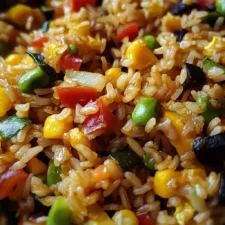
Veggie fried rice combines chilled rice, eggs and colourful vegetables in a savoury, sesame-scented stir-fry. It is a quick way to turn cooked rice into a filling meal, with the ingredients cooked in stages for better texture.
Ingredients
- 45 ml, dividedneutral oil, such as canola, vegetable, peanut or avocado oil
- 2 largeeggs, lightly beaten
- 1 medium, finely chopped (about 240 ml)onion
- 2 cloves, mincedgarlic
- 15 mlfresh ginger, grated or minced
- 1 large, diced small (about 120 ml)carrot
- 240 ml, thawedfrozen peas
- 120 ml, frozen or canned and drained (optional)corn kernels
- 950 mlcooked and chilled long-grain or medium-grain white rice, ideally day-old
- 60 ml; low-sodium recommendedsoy sauce, or tamari for a gluten-free option
- 15 mltoasted sesame oil
- 5 ml (optional)sugar
- 2.5 ml (optional, but recommended)white pepper
- 2, thinly sliced; green parts onlyspring onions
- 240–360 ml total (optional)other vegetables, such as diced bell peppers, small broccoli florets, sliced mushrooms, mangetout or chopped pak choi
Instructions
- 1
Prepare ingredients
Have everything ready before you start: chop the onion, garlic, ginger and carrot; thaw the peas and corn if using; beat the eggs; measure out the soy sauce, sesame oil, sugar and white pepper; and slice the spring onions. Keep the chilled rice nearby.
- 2
Cook the eggs
Heat 15 ml of neutral oil in a large frying pan or wok over medium-high heat until shimmering. Pour in the beaten eggs, swirling the pan to form a thin layer. Cook for about 30–60 seconds, until mostly set but still slightly moist on top, then break into bite-sized pieces with a spatula. Transfer to a plate.
- 3
Soften the onion
Add another 15 ml of neutral oil to the same pan over medium-high heat. Add the chopped onion and cook, stirring often, for 2–3 minutes, until it begins to soften and turn translucent.
- 4
Cook firm vegetables
Add the garlic and ginger and stir constantly for about 30 seconds, until fragrant, taking care not to burn the garlic. Add the diced carrot and any other firm vegetables, such as bell pepper or small broccoli florets. Stir-fry for 3–4 minutes, until the carrot is tender-crisp.
- 5
Fry the rice
Push the vegetables to one side of the pan. Add the remaining 15 ml of neutral oil to the empty side if the pan looks dry, then add the chilled rice. Break up any large clumps with a spatula and spread the rice across the hot surface. Leave it undisturbed for a minute or two so it can toast slightly and crisp in places.
- 6
Add softer vegetables
Stir the rice and vegetables together. Add the thawed peas and corn, along with any other softer quick-cooking vegetables, such as mangetout or chopped pak choi. Stir-fry for another 1–2 minutes, tossing to heat everything through and coat the separated rice grains lightly with oil.
- 7
Season the rice
Make a small well in the centre of the mixture. Pour in the soy sauce, toasted sesame oil, sugar if using, and white pepper if using. Let the sauces bubble for a few seconds, then stir thoroughly to distribute them. Taste and adjust with a little more soy sauce or a pinch more sugar if needed.
- 8
Finish and serve
Return the cooked egg to the pan and toss gently to combine. Cook for another 30 seconds, until heated through. Take the pan off the heat, stir in most of the spring onions, and serve straight away with the remaining spring onions scattered on top.
What is veggie fried rice?
Fried rice is a Chinese-origin dish built around cooked rice stir-fried with other ingredients and seasonings. This vegetable version pairs the rice with egg, aromatics and a mix of vegetables.
Chilled rice and quick, separate cooking stages help this version work well: the grains are less likely to clump, while the vegetables keep some bite.
Nutrition and macros by portion
The nutrition label shows one serving as written: 450 calories, 15g protein, 65g carbs, 0g fat.
| Portion | Adjustment | kcal | Protein | Carbs | Fat |
|---|---|---|---|---|---|
| Lighter | Use less oil | 315 kcal | 11g | 46g | 0g |
| This serving | As written | 450 kcal | 15g | 65g | 0g |
| Hungry | Serve a larger portion | 675 kcal | 23g | 98g | 0g |
The rice and optional sugar provide most of the carbohydrates, while the eggs contribute protein and the oil and sesame oil provide fat. For a more balanced plate, serve a portion with extra vegetables or a side of greens.
Why chilled rice matters
Day-old rice is ideal because chilling dries the surface slightly, making it easier to separate and fry. Break up any large clumps before or as you add it to the pan.
If the rice has been refrigerated, use it cold from the fridge and heat it thoroughly during cooking.
Build flavour in stages
Aromatics: onion softens first, followed by a brief cook for the garlic and ginger. Keep the latter moving and add the firmer vegetables promptly so the garlic does not burn.
Seasoning: adding the soy sauce, sesame oil, sugar and white pepper to a well in the rice lets them heat briefly before you stir them through. The sesame oil goes in with the seasonings for its distinctive aroma.
Keep the vegetables lively
Firm vegetables: carrot, bell pepper and small broccoli florets need a few minutes in the pan before the rice. Aim for tender-crisp rather than fully soft.
Quick-cooking vegetables: peas, corn, mangetout and pak choi go in later, so they heat through without losing all their texture.
Cook quickly and evenly
Fried rice cooks fast over medium-high heat, so prepare and measure everything before the pan gets hot. A large pan or wok gives the rice room to fry rather than crowding it.
Let the rice sit for a minute or two after spreading it across the pan to encourage a little toasting. Then toss it with the vegetables so the seasoning reaches the whole dish.
How to serve it
Serve the fried rice hot, with the reserved spring onions for a fresh, mild onion flavour. It can stand as a meal on its own or be served alongside another stir-fried dish.
If adding extra vegetables, keep the total to about 240–360 ml beyond the onion, peas and corn, as suggested in the ingredient list. This gives them room to cook without overwhelming the rice.
Recipe notes & tips
- Prepare and measure all the ingredients before heating the pan, as the cooking moves quickly.
- Use a large frying pan or wok so the rice has room to make contact with the hot surface.
- Add the garlic and ginger only after the onion has softened, and keep stirring to prevent the garlic burning.
- Break up cold rice clumps before they go into the pan for more evenly fried grains.
- Add softer vegetables towards the end so they heat through while retaining some texture.
- Taste after adding the soy sauce before adding any extra, as brands can vary in saltiness.
Variations
- Add mushrooms: Slice them and cook with the firm vegetables until softened.
- Add bell pepper: Dice it and stir-fry it with the carrot.
- Use tamari: Replace the soy sauce with tamari for the suggested gluten-free option.
- Make it spicier: Add a little chilli to the seasoning to suit your taste.
- Skip the corn: Leave it out if you prefer a less sweet version.
Common mistakes to avoid
- Using freshly cooked rice: It can clump; use cooked, chilled rice for more separate grains.
- Crowding the pan: The rice has less room to fry; use a large pan or cook in batches.
- Burning the garlic: It cooks quickly; stir for about 30 seconds and add the vegetables promptly.
- Adding all vegetables at once: Softer vegetables can overcook; add peas, corn and other quick-cooking choices later.
- Stirring the rice constantly: It misses the chance to toast; leave it for a minute or two before combining.
- Adding extra soy sauce too soon: The dish may become too salty; taste first, then adjust gradually.
How to store
Cool leftovers promptly and store them in a covered container in the fridge for up to 2 days. Reheat until piping hot throughout, stirring as needed; avoid reheating the same portion more than once.
Frequently asked questions
Can I use freshly cooked rice?
Chilled, day-old rice is recommended because it is drier and less likely to clump. If using freshly cooked rice, allow it to cool before frying.
Can I use brown rice?
Yes. Use cooked, chilled brown rice, keeping the amount the same by volume; the texture and flavour will differ from white rice.
Do I need a wok?
No. A large frying pan works too. Choose one with enough room to spread the rice across the hot surface.
Can I leave out the egg?
Yes, you can omit it. Cook the vegetables and rice as directed, and return to the pan only ingredients you are using.
How can I make this gluten-free?
Use tamari in place of the soy sauce, as suggested in the ingredients, and check the product label.
When should I add extra vegetables?
Add firm vegetables with the carrot, and quick-cooking vegetables with the peas and corn. Keep the optional extra vegetables to about 240–360 ml total.
Cook it from the original
This recipe comes from betterhomerecipes.com. Their page has the author’s own photos, notes and tips — the best place to cook it from.
Open the recipe on betterhomerecipes.com