
Zesty Authentic Chili Verde – Tangy Pork in Green Tomatillo Sauce
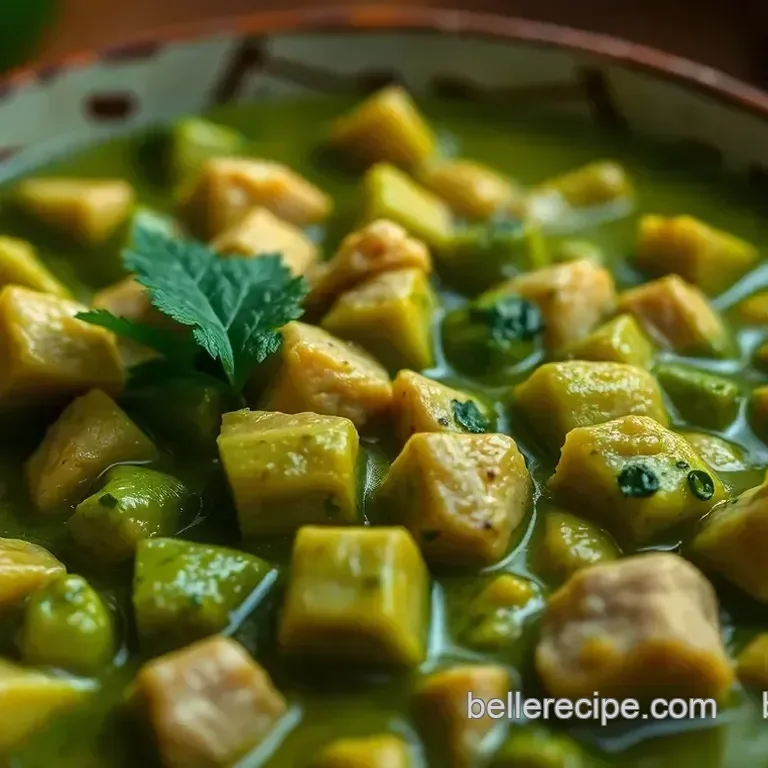
Chili verde is pork slowly simmered in a tangy green sauce made from tomatillos, peppers and herbs. Roasting the vegetables first builds a deep, smoky flavour that makes this a warming meal for sharing.
Ingredients
- 907 g (2 lb)pork shoulder or pork butt, cut into 2.5 cm (1-inch) cubes
- 15 ml (1 tablespoon)vegetable oil
- To tastesalt and freshly ground black pepper
- 454 g (1 lb)tomatillos, husked and rinsed
- 2–3poblano peppers (or Anaheim peppers for milder heat)
- 1–2jalapeños, stemmed and seeded (optional)
- 1 mediumwhite onion, quartered
- 4 clovesgarlic, peeled
- 15 g (1 packed cup)fresh coriander leaves
- 5 ml (1 teaspoon)ground cumin
- 5 ml (1 teaspoon)dried oregano, preferably Mexican oregano
- 360 ml (1½ cups)low-sodium chicken stock or water
- Juice of 1lime
- To tastesalt
Instructions
- 1
Roast vegetables
Roast the tomatillos, poblano peppers and onion until blackened and softened. Leave them to cool, then peel and deseed the peppers if desired.
- 2
Blend the sauce
Blend the roasted tomatillos, peppers and onion with the garlic, coriander, cumin, oregano and chicken stock until smooth. Season with salt and lime juice.
- 3
Brown the pork
Heat the oil in a large pot over medium-high heat. Season the pork with salt and pepper, then brown it in batches until caramelised.
- 4
Simmer the pork
Pour the green sauce into the pot and return the browned pork. Cover and simmer over low heat for about 1 hour, until the pork is tender and the sauce has thickened.
- 5
Finish and serve
Taste and adjust the seasoning with more salt or lime juice if needed. Serve hot with your preferred sides.
What is chili verde?
Chili verde is a Mexican pork stew named for its green sauce, typically made with tomatillos and green chillies. The tomatillos bring a tart, fruity quality, while the peppers and herbs round out the flavour.
This version roasts its vegetables before blending them, then simmers the sauce with browned pork. That combination gives the stew a fuller flavour and lets the pork become tender as the sauce thickens.
Nutrition and macros by portion
The nutrition label shows one serving as written: 400 calories, 38g protein, 12g carbs, 20g fat.
| Portion | Adjustment | kcal | Protein | Carbs | Fat |
|---|---|---|---|---|---|
| Lighter | More vegetables, less pork | 280 kcal | 27g | 8g | 14g |
| This serving | As written | 400 kcal | 38g | 12g | 20g |
| Hungry | Serve with extra rice | 600 kcal | 57g | 18g | 30g |
The pork provides most of the protein and much of the fat, while the tomatillos, onion and peppers contribute most of the carbohydrates. Serve a portion with vegetables or salad, and add rice or tortillas if you want a more substantial plate.
Why roast the vegetables?
Tomatillos: roasting softens them and concentrates their tangy flavour. Let them cool before handling, as they will be hot and soft.
Peppers and onion: charring adds smoky notes to the sauce. Peeling and deseeding the peppers is optional, so you can leave them intact if you prefer.
Choosing and browning the pork
Pork shoulder: its marbling suits a long, gentle simmer and helps the cubes turn tender. Cut the meat into evenly sized pieces so they cook at a similar rate.
Browning: work in batches rather than crowding the pot. The pork should take on colour before the sauce goes in; if the pot is too full, the pieces are more likely to steam.
Blending a balanced green sauce
Coriander and spices: fresh coriander, cumin and oregano give the roasted vegetables a savoury, herbal backbone. Blend the sauce until smooth for an even coating around the pork.
Lime and salt: the lime brightens the tomatillos, while salt brings the flavours into balance. Start with the seasoning in the recipe and make any final adjustments after simmering.
How to tell when it is ready
Pork: after about 1 hour covered over low heat, the cubes should be tender rather than firm or chewy. If they need more time, continue simmering gently until they soften.
Sauce: it should be thicker than when first blended and cling to the pork. Keep the heat low to avoid a hard boil while the meat cooks.
Serving suggestions
The stew is hearty with warm tortillas, rice or beans, which can soak up the green sauce. Add a fresh salad or simply dressed vegetables alongside for contrast.
Serve it hot and offer lime wedges at the table for anyone who wants extra acidity. A little chopped coriander also makes a fresh finishing touch.
Recipe notes & tips
- Rinse the tomatillos after removing their papery husks to clear away their slightly sticky coating.
- Brown the pork in batches so the pieces have room to develop colour.
- Blend the roasted vegetables with the stock until the sauce is as smooth as you like it.
- Keep the stew at a gentle simmer once the pork is added.
- Taste the sauce near the end and adjust salt and lime to suit.
Variations
- Milder peppers: use Anaheim peppers in place of poblanos for a gentler flavour.
- More heat: include the optional jalapeños or leave some of their seeds in.
- Water instead of stock: use water for a simpler-tasting sauce.
- Extra lime: serve lime wedges alongside for a sharper finish.
- Herb finish: scatter additional fresh coriander over the stew just before serving.
Common mistakes to avoid
- Crowding the pot: the pork steams instead of browning; cook it in batches.
- Skipping the cooling time: hot roasted peppers are difficult to handle; let them cool before peeling or deseeding.
- Boiling too hard: the pork can cook unevenly; keep the covered pot at a low simmer.
- Stopping too soon: firm pork needs more time; simmer until the cubes are tender.
- Over-seasoning early: the sauce changes as it simmers; taste and make final adjustments at the end.
How to store
Cool leftovers and refrigerate in a covered container for up to 3 days. Reheat gently in a saucepan until piping hot, adding a splash of water or stock if the sauce has thickened too much.
Frequently asked questions
Can I make chili verde without jalapeños?
Yes. The jalapeños are optional, so leave them out for a milder sauce.
Do I need to peel the poblano peppers?
Peeling is optional in this recipe. Let the peppers cool first, then peel and deseed them if you prefer.
Can I use water instead of chicken stock?
Yes. The recipe gives water as an alternative; the finished sauce may have a less savoury flavour.
How do I know the pork is tender?
The cubes should be soft and easy to bite rather than firm or chewy. If needed, keep simmering gently beyond the stated hour.
What can I serve with chili verde?
Try it with rice, beans, warm tortillas or a fresh salad. These sides work well with the tangy green sauce.
Cook it from the original
This recipe comes from bellerecipe.com. Their page has the author’s own photos, notes and tips — the best place to cook it from.
Open the recipe on bellerecipe.com