
Crispy Fried Fish
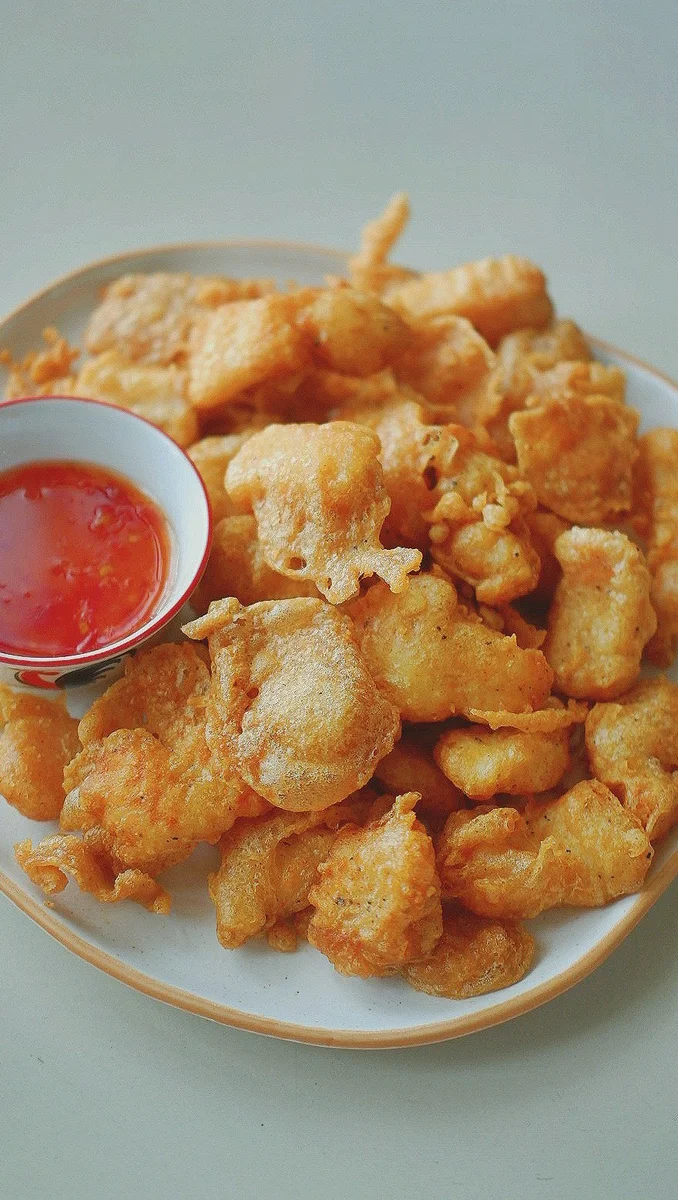
Crispy fried fish pairs bite-sized dory pieces with a light coating and a golden, crunchy exterior. Fry it in batches and serve straight away, while the coating is at its crispest.
Ingredients
- 200 gdory fish, cut into bite-sized pieces
- 30 ml (2 tbsp)plain flour
- to tastesalt and pepper
- as neededoil for deep-frying
Instructions
- 1
Dry the fish
Pat the dory pieces dry with kitchen paper.
- 2
Season lightly
Season the fish with a little salt and pepper.
- 3
Coat with flour
Cover the dory pieces with plain flour.
- 4
Prepare the batter
Combine the dry ingredients in a bowl, then add soda water and whisk well. The ingredient list does not specify the soda water or any batter ingredients beyond the listed flour.
- 5
Dip the fish
Dip the fish pieces into the batter mixture.
- 6
Fry until golden
Heat the oil and fry the fish in batches over medium heat until golden brown and crisp.
What is crispy fried fish?
Crispy fried fish is a simple dish of fish pieces cooked in hot oil beneath a crunchy coating. Fried fish is enjoyed in many cuisines, and this version uses mild dory cut into bite-sized pieces.
The method starts by drying and seasoning the fish, then coating it before frying. The provided recipe refers to a soda-water batter, but does not list soda water or give its quantity.
Nutrition and macros by portion
The nutrition label shows one serving as written: 110 calories, 7g protein, 4g carbs, 7g fat.
| Portion | Adjustment | kcal | Protein | Carbs | Fat |
|---|---|---|---|---|---|
| Lighter | Use less frying oil | 77 kcal | 5g | 3g | 5g |
| This serving | As written | 110 kcal | 7g | 4g | 7g |
| Hungry | Serve with extra potatoes | 165 kcal | 10g | 6g | 11g |
The fish provides most of the protein, while the flour contributes a small amount of carbohydrate; frying oil is the main source of fat. Serve with vegetables and a modest portion of potatoes or rice for a more balanced plate.
Choosing and preparing the fish
Dory: its mild flavour suits a lightly seasoned coating. Cut the fish into pieces of similar size so they cook at roughly the same rate.
Drying: pat the pieces thoroughly with kitchen paper before seasoning. A dry surface helps the coating adhere more evenly.
A note on the batter
Flour coating: the listed method first coats the fish with plain flour, then calls for dipping it into batter. The ingredient list does not include enough detail to make that batter as written.
Soda water: it is mentioned in the batter instruction but has no amount in the supplied recipe. Check the original recipe for the missing batter details before cooking.
Frying in batches
Batch size: fry a few pieces at a time rather than filling the pan. This gives the fish room to cook and makes it easier to turn or remove the pieces.
Oil: heat it over medium heat as directed, taking care around hot oil. Lower the fish in gently and let excess coating drip off first.
Checking for crispness
Colour: look for a golden-brown coating, as specified in the method. Remove the pieces once they are crisp rather than leaving them in the oil after browning.
Doneness: the recipe does not give a cooking time, and piece size can vary. Check that the fish is cooked through before serving.
Serving ideas
Serve the fish soon after frying so the coating stays crisp. A fresh salad or steamed vegetables make a simple accompaniment.
For a more filling plate, add potatoes, rice or bread. Keep sauces on the side if you want the coating to retain its crunch.
Recipe notes & tips
- Pat the fish dry before adding seasoning or coating.
- Cut the pieces to a similar size for more even cooking.
- Fry in batches so the pieces have room in the pan.
- Let excess batter drip off each piece before frying.
- Serve the fish soon after cooking to enjoy its crisp coating.
Variations
- Add lemon: serve with lemon wedges for a bright finish.
- Add herbs: mix chopped parsley into a suitable batter for an aromatic note.
- Add spice: season the fish with a pinch of paprika before coating.
- Make it a meal: serve with chips and peas for a familiar fish-and-chips-style plate.
Common mistakes to avoid
- Wet fish: the coating may cling unevenly; pat the pieces dry first.
- Crowded pan: the pieces can cook unevenly; fry them in batches.
- Uneven pieces: some may finish before others; cut the fish into similar-sized bites.
- Unspecified batter: the recipe omits its quantities; check the original instructions before starting.
- Leaving it to stand: the coating can lose its crunch; serve soon after frying.
How to store
Refrigerate leftovers in a covered container and use within 2 days. Reheat in an oven or air fryer until hot; the coating may not be as crisp as when freshly fried.
Frequently asked questions
What fish can I use instead of dory?
A mild, firm white fish cut into bite-sized pieces is a practical substitute. Adjust cooking as needed for the size and thickness of the pieces.
Why does the recipe mention soda water but not list it?
The supplied method refers to soda water for the batter, but the ingredient list gives no quantity or full batter details. Check the original publisher's recipe before making the batter.
Can I shallow-fry the fish?
The method calls for deep-frying. Shallow-frying would be a change to the recipe and may cook the coating differently.
How do I know when the fish is ready?
The method says to fry until golden brown and crisp. Check that the fish is also cooked through, as no specific cooking time is provided.
Can I prepare the fish ahead?
You can cut and dry the fish shortly before cooking, but coat and fry it just before serving for the crispest result.
Cook it from the original
This recipe comes from fooooods.com. Their page has the author’s own photos, notes and tips — the best place to cook it from.
Open the recipe on fooooods.com