
Aromatic Rice Pilaf with Herbs and Nuts
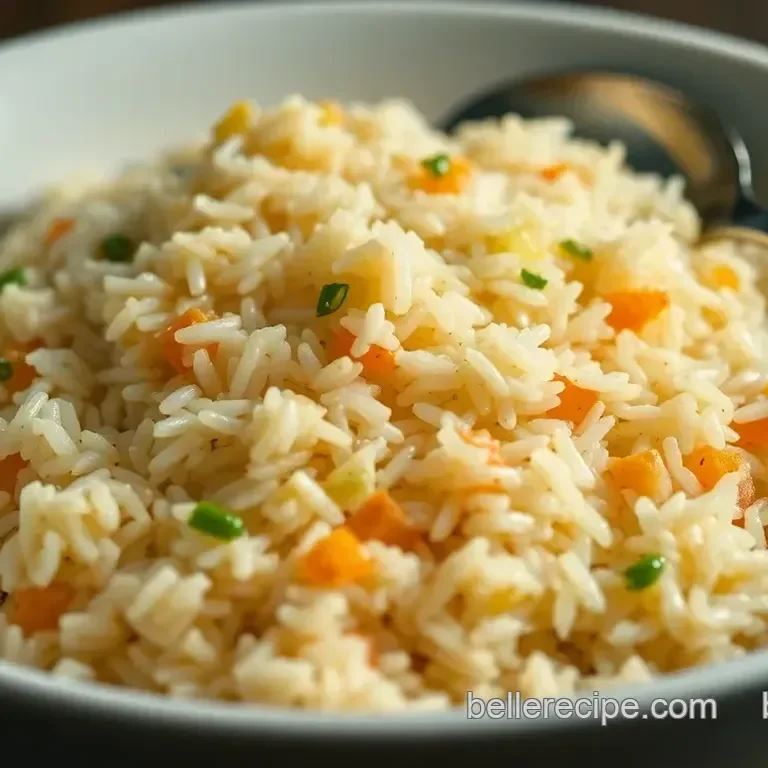
This Middle Eastern-inspired rice pilaf cooks long-grain rice in seasoned broth with onion, garlic and herbs, then finishes with toasted nuts. It makes a fragrant side dish that is easy enough for a weeknight and polished enough for a special meal.
Ingredients
- 190 g (1 cup)long-grain white rice
- 28 g (2 tablespoons)unsalted butter or olive oil
- 1 mediumonion, finely chopped
- 2 clovesgarlic, minced
- 480 ml (2 cups)low-sodium chicken or vegetable broth
- 5 g (1 teaspoon), adjust to tastesalt
- ½ teaspoonblack pepper
- ½ teaspoonground cumin
- ½ teaspoondried thyme
- 30 g (¼ cup)slivered almonds or pine nuts, toasted
- 15 g (¼ cup)fresh parsley or coriander, chopped
Instructions
- 1
Prepare ingredients
Measure and chop all the ingredients as specified.
- 2
Melt the butter
Melt the butter in a medium saucepan over medium heat.
- 3
Cook the onion
Add the chopped onion and cook for about 3–4 minutes, until translucent.
- 4
Add the garlic
Stir in the minced garlic and cook for 1 minute more, until fragrant.
- 5
Toast the rice
Add the rice and stir to coat it in the butter. Sauté for 2–3 minutes, until lightly toasted.
- 6
Season the broth
Pour in the broth, then add the salt, pepper, cumin and thyme. Stir to combine.
- 7
Simmer the rice
Bring the mixture to a boil, then cover the pan and reduce the heat to low. Simmer for 15–18 minutes, until the liquid is absorbed and the rice is tender.
- 8
Rest and fluff
Take the pan off the heat and leave it covered for 5 minutes. Fluff the rice with a fork.
- 9
Finish with toppings
Stir in the toasted nuts and fresh herbs just before serving.
What is rice pilaf?
Pilaf is a family of rice dishes found across the Middle East and neighbouring regions, typically cooked with seasoned stock rather than plain water. This version builds flavour by sautéing the rice with onion and garlic before simmering it in broth.
Toasted nuts and fresh herbs bring contrasting crunch and freshness to the finished rice. The method keeps the seasoning simple, so the pilaf can accompany a range of main dishes.
Nutrition and macros by portion
The nutrition label shows one serving as written: 240 calories, 6g protein, 34g carbs, 10g fat.
| Portion | Adjustment | kcal | Protein | Carbs | Fat |
|---|---|---|---|---|---|
| Lighter | Use less butter and nuts | 168 kcal | 4g | 24g | 7g |
| This serving | As written | 240 kcal | 6g | 34g | 10g |
| Hungry | Serve a larger portion | 360 kcal | 9g | 51g | 15g |
The rice supplies most of the carbohydrates, while the butter or olive oil and nuts contribute much of the fat. The broth and nuts provide some protein, but the pilaf works well as a side rather than the main protein source. Balance the plate with a protein-rich main and a generous serving of vegetables.
Start with the aromatics
Onion: Cook it until translucent, not deeply browned, so it softens and flavours the butter without overpowering the rice.
Garlic: Add it after the onion and cook just until fragrant. Garlic can turn bitter if it browns too much.
Toast the rice before simmering
Rice: Stir the grains in the fat for 2–3 minutes, until lightly toasted. This coats them evenly and adds a subtle toasted note to the pilaf.
Broth: Add it after toasting, along with the seasonings. Low-sodium broth gives you more control over the final saltiness.
Keep the simmer gentle
Heat: Once the broth boils, cover the pan and turn the heat to low. A gentle simmer helps the rice cook evenly while the liquid is absorbed.
Doneness: Check near the end of the 15–18-minute cooking time. The grains should be tender and the liquid absorbed; avoid stirring during the simmer.
Rest before fluffing
Rest: Leave the covered pan off the heat for 5 minutes after cooking. This gives the rice time to settle and finish steaming.
Texture: Fluff gently with a fork to separate the grains without crushing them. Fold in the nuts and herbs at the end to preserve their texture and freshness.
Choose a serving to match
Mains: Serve the pilaf alongside grilled chicken, fish, roast vegetables or a dish of beans. Its cumin and thyme seasoning suits both meat and vegetarian meals.
Fresh sides: A crisp salad or yoghurt-based side can complement the rich, buttery rice and toasted nuts.
Recipe notes & tips
- Use a saucepan with a close-fitting lid to keep steam in during cooking.
- If using salted broth, taste before adding the full teaspoon of salt.
- Toast the nuts in a dry pan, watching closely so they do not scorch.
- Chop the herbs shortly before serving for the freshest flavour.
- Use a fork rather than a spoon to fluff the cooked rice.
Variations
- Use olive oil: Choose it instead of butter for a different savoury flavour.
- Swap the nuts: Use toasted pine nuts instead of almonds, or almonds instead of pine nuts.
- Change the herbs: Choose parsley or coriander according to the flavours you want alongside the meal.
- Make it vegetarian: Use vegetable broth in place of chicken broth.
- Add more spice: Increase the cumin slightly for a more pronounced warm flavour.
Common mistakes to avoid
- Browning the garlic: Add it after the onion and stop cooking once it smells fragrant.
- Skipping the toast: Stir the rice in the fat for 2–3 minutes before adding broth.
- Lifting the lid repeatedly: Keep the pan covered during the simmer so the rice cooks in the steam.
- Stirring while simmering: Leave the rice undisturbed until the liquid is absorbed.
- Adding herbs too early: Fold them in after the rice has rested to keep their flavour fresh.
How to store
Cool leftovers promptly and refrigerate them in a covered container for up to 3 days. Reheat until steaming hot, adding a small splash of water or broth if the rice seems dry.
Frequently asked questions
Can I make this pilaf with vegetable broth?
Yes. The recipe allows either low-sodium chicken or vegetable broth.
How can I tell when the rice is done?
After 15–18 minutes of covered simmering, the liquid should be absorbed and the grains should be tender. If the rice is still firm, continue cooking briefly with the lid on.
Can I use brown rice instead?
Brown rice generally needs more liquid and a longer cooking time than the white rice specified here, so this method may need adjusting.
Can I prepare the pilaf ahead?
You can cook it ahead and refrigerate it, then reheat it thoroughly. For the best texture, add the herbs and toasted nuts just before serving.
What should I serve with rice pilaf?
Pair it with grilled chicken, fish, beans or roast vegetables, and add a fresh salad or yoghurt-based side if you like.
Cook it from the original
This recipe comes from bellerecipe.com. Their page has the author’s own photos, notes and tips — the best place to cook it from.
Open the recipe on bellerecipe.com