
Creamy Seafood Risotto with Shrimp and Scallops
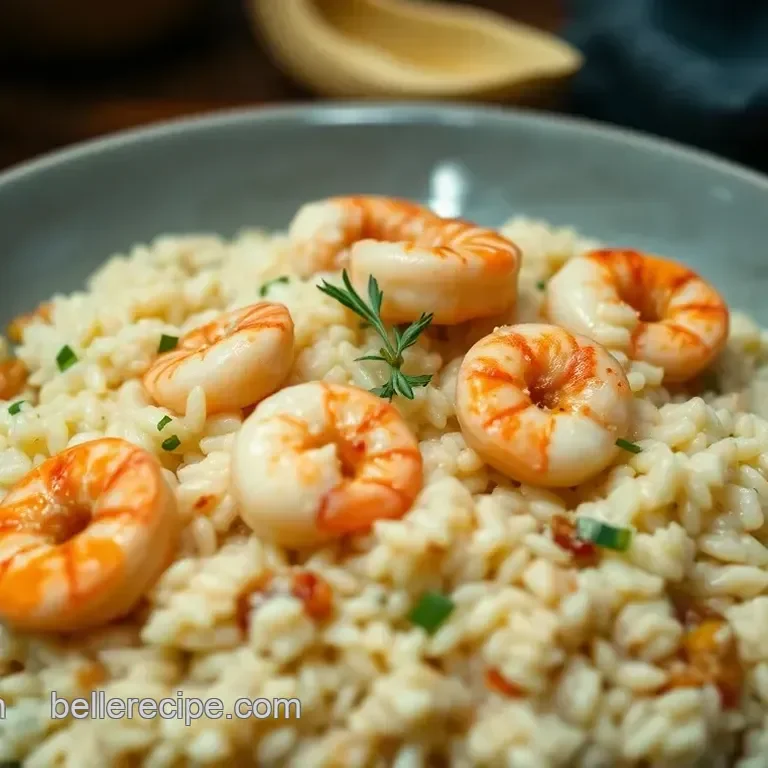
This Italian-style risotto brings creamy Arborio rice together with shrimp and sea scallops for a comforting main course. It suits a relaxed dinner and feels special enough to serve to guests.
Ingredients
- 200 g (1 cup)Arborio rice
- 960 ml (4 cups)chicken or seafood stock
- 120 ml (1/2 cup)dry white wine
- 1 mediumonion, finely chopped
- 2 clovesgarlic, minced
- 30 ml (2 tablespoons)olive oil
- 14 g (1 tablespoon)unsalted butter
- 50 g (1/2 cup)grated Parmesan cheese
- to tastesalt and pepper
- 225 g (8 oz)shrimp, peeled and deveined
- 225 g (8 oz)sea scallops, cleaned
- 1 tablespoonchopped fresh parsley, for garnish (optional)
- juice of 1lemon (optional)
Instructions
- 1
Warm the stock
Heat the stock in a separate pot and keep it warm over low heat.
- 2
Heat the oil
Warm the olive oil in a large frying pan over medium heat.
- 3
Soften the onion
Add the chopped onion and cook for about 3–4 minutes, until translucent.
- 4
Add the garlic
Stir in the minced garlic and cook for 1 minute more.
- 5
Toast the rice
Add the Arborio rice and stir to coat it in oil. Cook for about 2 minutes, until the grains look slightly translucent.
- 6
Add the wine
Pour in the white wine and stir until it has been absorbed.
- 7
Cook the risotto
Add the warm stock a ladleful at a time, stirring frequently and letting each addition absorb before adding more. Continue for about 20 minutes.
- 8
Cook the seafood
During the final 5 minutes of cooking, add the shrimp and scallops. Stir gently until they are cooked.
- 9
Finish and season
Stir in the butter and Parmesan until melted, then season with salt and pepper to taste.
- 10
Garnish and serve
Serve the risotto with a scattering of parsley and a squeeze of lemon, if desired.
What is seafood risotto?
Risotto is an Italian rice dish associated especially with northern Italy, where short-grain rice is cooked gradually with stock until creamy. This version pairs the rice with shrimp and scallops for a seafood-centred main course.
Arborio rice releases starch as it cooks, helping the dish turn creamy without needing cream. Parmesan and butter add a rich finish.
Nutrition and macros by portion
The nutrition label shows one serving as written: 550 calories, 0g protein, 0g carbs, 15g fat.
| Portion | Adjustment | kcal | Protein | Carbs | Fat |
|---|---|---|---|---|---|
| Lighter | Use less butter and Parmesan | 385 kcal | 0g | 0g | 11g |
| This serving | As written | 550 kcal | 0g | 0g | 15g |
| Hungry | Serve a larger portion | 825 kcal | 0g | 0g | 23g |
The rice supplies most of the carbohydrates, while olive oil, butter and Parmesan contribute much of the fat. Shrimp, scallops and Parmesan provide protein. Pair a serving with a generous green salad or vegetables to add freshness and round out the plate.
Choosing the ingredients
Rice: Arborio is a short-grain variety suited to risotto because it softens while helping thicken the cooking liquid. Keep the grains intact by stirring regularly rather than constantly beating them.
Stock: Chicken or seafood stock both work here. Use whichever flavour you prefer, and keep it warm so each addition does not cool the rice in the pan.
Seafood: Peeled, deveined shrimp and cleaned sea scallops are added near the end, so they have less time to overcook.
Getting the rice started
Onion and garlic form the aromatic base. Cook the onion until translucent, then give the garlic just a minute so it flavours the oil without taking on too much colour.
Toasting: Stir the rice in the oil for about 2 minutes before adding wine. This coats the grains and starts the cooking evenly.
Adding stock gradually
Add the warm stock one ladle at a time, stirring frequently and waiting for each addition to absorb before adding the next. This gradual process is central to the method and gives the rice time to release starch.
The recipe allows about 20 minutes for this stage. Use the rice's texture as your cue as well as the clock: it should be tender but still have a little bite.
Cooking the seafood
Timing: Add the shrimp and scallops during the final 5 minutes, as directed, and stir gently. The seafood is ready when cooked through; avoid extending its cooking time unnecessarily.
Gentle handling helps keep the seafood in good pieces while it cooks among the rice. If the seafood pieces vary in size, check the larger ones for doneness.
Finishing the texture
Stir in the butter and Parmesan once the seafood has cooked. They melt into the rice and round out its texture and savoury flavour.
Season at the end, since the stock and Parmesan may already contribute salt. A squeeze of lemon and parsley can bring a fresh note to the finished dish.
What to serve with it
Serve the risotto soon after cooking, while it is creamy and hot. A simple green salad or lightly dressed vegetables make a fresh contrast to the buttery rice and seafood.
The recipe includes lemon as an optional garnish; offer extra wedges at the table so diners can adjust the brightness to taste.
Recipe notes & tips
- Warm the stock before you begin adding it to the rice.
- Keep the pan at a steady medium heat while cooking the onion and garlic.
- Stir frequently as the stock goes in, and let each ladleful absorb before adding the next.
- Add the seafood only during the final 5 minutes, as specified in the method.
- Taste before adding salt, since both stock and Parmesan can be savoury.
- Serve soon after finishing for the creamiest texture.
Variations
- Seafood stock: Choose it instead of chicken stock for a more pronounced seafood flavour.
- Lemon finish: Add the optional lemon juice at the table for a brighter taste.
- Parsley garnish: Scatter the optional chopped parsley over each serving just before serving.
- Extra vegetables: Serve with a side of greens to add a fresh contrast.
- White wine: Keep the dry white wine in the recipe for acidity that balances the rich finish.
Common mistakes to avoid
- Cold stock: It can slow the cooking when added; keep the stock warm over low heat.
- Adding all the stock at once: The method relies on gradual additions; add one ladleful at a time.
- Skipping the absorption stage: Adding more stock too soon can disrupt the gradual cooking; wait until the previous addition is absorbed.
- Overcooking the seafood: Add it only in the final 5 minutes and stir gently.
- Over-seasoning early: Stock and Parmesan can be salty; taste the finished risotto before adding salt.
How to store
Refrigerate leftovers in a covered container and use within 2 days. Reheat gently in a pan with a splash of stock or water, stirring until hot throughout; the rice will be less creamy than when freshly made.
Frequently asked questions
Can I use chicken stock instead of seafood stock?
Yes. The recipe allows either chicken or seafood stock; choose according to the flavour you prefer.
Can I make this without wine?
The recipe includes dry white wine as an ingredient. If you leave it out, replace the liquid with stock, though the flavour will be different.
How do I know when the risotto is ready?
The method gives about 20 minutes for gradually adding stock. Check that the rice is tender with a little bite, rather than relying only on the time.
When should I add the shrimp and scallops?
Add both during the final 5 minutes of cooking, then stir gently until cooked.
Can I prepare the risotto ahead?
It is best served soon after cooking, when its texture is creamiest. Leftovers can be refrigerated and reheated, but the rice will soften further.
Do I have to use the parsley and lemon?
No. Both are optional garnishes in the recipe, so you can serve the risotto without them.
Cook it from the original
This recipe comes from bellerecipe.com. Their page has the author’s own photos, notes and tips — the best place to cook it from.
Open the recipe on bellerecipe.com