
Butternut Squash Rice Bowl
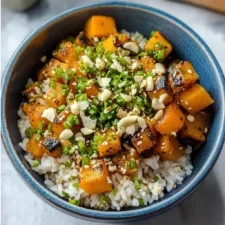
This bowl pairs warmly spiced roasted butternut squash with rice, black beans and fresh greens. It makes a satisfying, adaptable meal, with an optional tahini dressing to bring the components together.
Ingredients
- 1 medium (approximately 0.9–1.4 kg / 2–3 lb)butternut squash
- 30 ml (2 tablespoons)extra-virgin olive oil
- 5 ml (1 teaspoon)smoked paprika
- 2.5 ml (½ teaspoon)ground cumin
- 1.25 ml (¼ teaspoon)garlic powder
- to tastesalt and black pepper
- 285 g (1½ cups), uncookedbrown rice, or white rice or quinoa
- 710 ml (3 cups)water or vegetable stock
- 1 can (425 g / 15 oz), rinsed and drainedblack beans
- 120 g (4 cups)baby spinach or kale
- Optional; amount to tastetoppings such as avocado, pumpkin seeds, feta, coriander or your favourite dressing
- 60 g (¼ cup)tahini
- 30–45 ml (2–3 tablespoons)lemon juice
- 15 ml (1 tablespoon)maple syrup or honey
- 1 clove, minced (optional)garlic
- 45–90 ml (3–6 tablespoons)water
- to tastesalt and pepper
Instructions
- 1
Prepare the squash
Heat the oven to 200°C (400°F) and line a large baking tray with baking parchment. Peel the squash, halve it lengthways, and scoop out the seeds and stringy insides. Cut the flesh into evenly sized 2–2.5 cm (¾–1 inch) cubes.
- 2
Season the cubes
Put the squash in a large bowl and drizzle with 30 ml (2 tablespoons) olive oil. Add the smoked paprika, cumin, garlic powder, salt and freshly ground black pepper, then toss until the cubes are evenly coated.
- 3
Roast the squash
Arrange the cubes in a single layer on the prepared tray, using two trays if needed to avoid crowding. Roast for 25–35 minutes, turning them at about 15 minutes, until fork-tender and caramelised with lightly browned edges.
- 4
Cook the rice
While the squash roasts, cook the grain according to its packet directions. For brown rice, combine 285 g (1½ cups) rinsed rice with 710 ml (3 cups) water or vegetable stock and a pinch of salt in a saucepan. Bring to the boil, cover, lower the heat and simmer for about 40–45 minutes, until the liquid is absorbed and the rice is tender. Take it off the heat and leave it covered for 10 minutes, then fluff with a fork.
- 5
Prepare the greens
Rinse and drain the black beans, and wash the spinach or kale. If using kale, remove any tough stems and chop the leaves. For raw kale, massage it with a little olive oil and a pinch of salt to soften it.
- 6
Mix the dressing
If making the optional dressing, whisk the tahini, lemon juice, maple syrup and minced garlic, if using, in a small bowl or jar. The mixture may thicken at first; gradually whisk in water, one tablespoon at a time, until pourable. Season with salt and pepper, adjusting the lemon juice or maple syrup if needed.
- 7
Assemble the bowls
Divide the cooked rice between serving bowls. Add the roasted squash, a scoop of black beans and a handful of spinach or kale to each.
- 8
Finish and serve
Drizzle with the tahini dressing, if using, or another sauce you like. Add any optional toppings and serve while the rice and squash are warm.
What is a butternut squash rice bowl?
A rice bowl is a flexible meal built by layering a grain with vegetables and other toppings. This version brings together sweet roasted squash, rice, black beans and leafy greens for a mix of soft, hearty and fresh textures.
There is no single origin for this combination; it draws on familiar bowl-style meal components rather than following one traditional regional recipe. The warming spices and optional lemony tahini dressing make the ingredients feel cohesive.
Nutrition and macros by portion
The nutrition label shows one serving as written: 600 calories, 0g protein, 0g carbs, 0g fat.
| Portion | Adjustment | kcal | Protein | Carbs | Fat |
|---|---|---|---|---|---|
| Lighter | Use less rice and dressing | 420 kcal | 0g | 0g | 0g |
| This serving | As written | 600 kcal | 0g | 0g | 0g |
| Hungry | Add extra rice and beans | 900 kcal | 0g | 0g | 0g |
The rice and squash supply most of the bowl’s carbohydrate, while olive oil and tahini contribute much of its fat; the black beans provide plant-based protein. Pair a serving with extra leafy greens or another non-starchy vegetable for a more varied plate.
Why roast the squash with these spices?
Even cubes: Cut the squash into similarly sized pieces so they cook at roughly the same pace. A little variation is fine, but very small pieces may soften before larger ones are done.
Spice coating: Olive oil helps the paprika, cumin and garlic powder cling to the squash. Leave space around the cubes on the tray so they roast and brown rather than steam.
Getting the rice right
Brown rice: The method uses a covered, low simmer followed by a 10-minute rest. Keep the lid on while it cooks, then fluff gently once the resting time is over.
Other grains: White rice or quinoa can stand in, but their cooking times and liquid requirements may differ. Follow the packet directions for your chosen grain rather than applying the brown-rice timing to them.
How to tell when the squash is done
Tender centre: A fork should slide into a cube without much resistance. The edges should also look lightly browned, with some caramelised patches.
Even browning: Turn the squash around the halfway point, at about 15 minutes. If the tray is crowded, split the cubes between two trays so they have room to roast.
Making the tahini dressing
Thick at first: Tahini can seize and turn dense when lemon juice is mixed in. Keep whisking and add the water gradually rather than pouring it all in at once.
Adjust to taste: Add enough water to make the dressing pourable, within the stated range. More lemon juice makes it brighter, while a little extra maple syrup or honey softens the tang.
Serving and timing
Work in parallel: Start the rice and squash close together, then rinse the beans and prepare the greens while they cook. Brown rice usually takes longer than the squash, so begin it first if you want both components ready together.
Toppings: Avocado, pumpkin seeds, feta or coriander are optional ways to add contrast. Add greens and dressing just before serving so the bowls stay fresh.
Recipe notes & tips
- Choose a squash that feels heavy for its size and has smooth, unblemished skin.
- Use a sharp peeler and a stable chopping board when preparing the squash.
- Spread the squash out in a single layer so the cubes can brown.
- Rinse the rice before cooking if its packet directions recommend it.
- Add the tahini dressing gradually to the bowls so you can control how much each gets.
- If using kale raw, remove tough stems before chopping and massaging the leaves.
Variations
- Use quinoa: Replace the rice and cook it according to its packet directions.
- Try white rice: Swap it for the brown rice, adjusting the cooking method and time to the packet instructions.
- Add avocado: Slice it over the finished bowls for a creamy topping.
- Add pumpkin seeds: Scatter them on top for a crisp contrast.
- Use feta: Crumble it over the bowls for a savoury finish.
- Make it vegan: Use maple syrup rather than honey in the tahini dressing.
Common mistakes to avoid
- Crowding the tray: The squash can steam instead of brown; spread it across two trays if needed.
- Uneven cubes: Pieces cook at different speeds; aim for similar-sized cuts.
- Lifting the rice lid: Steam escapes during cooking; keep the saucepan covered until the simmer is over.
- Adding all the dressing water at once: The texture is harder to control; whisk it in a tablespoon at a time.
- Skipping the rice rest: The grains may be less evenly finished; leave the covered pan off the heat for 10 minutes.
- Overcooking the greens: They can lose their fresh contrast; add them during assembly rather than roasting them with the squash.
How to store
Store leftover components in separate airtight containers in the fridge for up to 3 days. Reheat the rice and squash until hot, then add the greens and dressing after warming. Keep the dressing chilled and stir it before using.
Frequently asked questions
Can I use white rice instead of brown rice?
Yes. Cook it according to the packet instructions, as its cooking time and liquid needs differ from the brown-rice method here.
Can I make the bowls without tahini dressing?
Yes. The dressing is optional; use a favourite sauce or serve the bowls with the roasted squash, rice, beans and greens as they are.
How do I stop the squash from going soggy?
Cut it into even cubes and spread them in a single layer with space between them. Use two trays if necessary, and turn the cubes halfway through roasting.
Can I use kale instead of spinach?
Yes. Remove tough stems and chop the leaves. If serving it raw, massage it with a little olive oil and a pinch of salt to soften it.
Can I prepare parts of this recipe ahead?
You can cook the rice, roast the squash and mix the dressing ahead, then store them separately in the fridge. Assemble the bowls when ready to eat, adding the greens at the end.
Why does the tahini dressing turn thick?
Tahini can thicken when it first meets lemon juice; this is normal. Whisk in water gradually until it reaches a pourable consistency.
Cook it from the original
This recipe comes from betterhomerecipes.com. Their page has the author’s own photos, notes and tips — the best place to cook it from.
Open the recipe on betterhomerecipes.com