
Fluffy Old Fashioned Pancakes
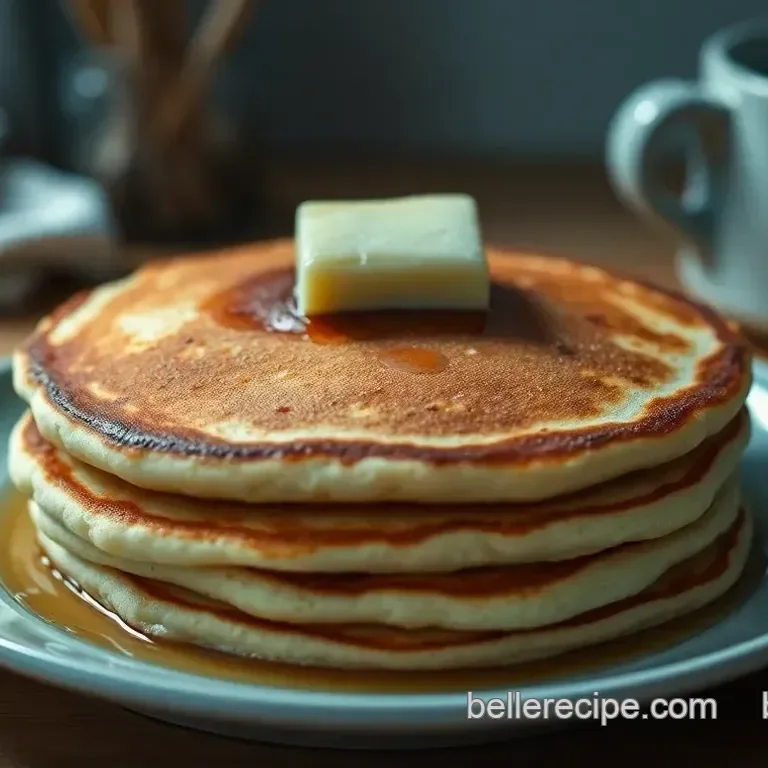
These American-style old-fashioned pancakes are soft, fluffy and quick to make, with a gentle tang from buttermilk. They are a comforting choice for breakfast or brunch, and the batter comes together in about 25 minutes.
Ingredients
- 120 g (1 cup)plain flour
- 25 g (2 tablespoons)granulated sugar
- 12 g (1 tablespoon)baking powder
- 2 g (½ teaspoon)bicarbonate of soda
- 1 g (¼ teaspoon)salt
- 240 ml (1 cup)buttermilk
- 1 largeegg, beaten
- 30 g (2 tablespoons)unsalted butter, melted
- 1 teaspoonvanilla extract (optional)
- As neededadditional butter or oil, for greasing the frying pan
Instructions
- 1
Sift dry ingredients
Sift the flour, sugar, baking powder, bicarbonate of soda and salt together into a large bowl.
- 2
Mix wet ingredients
In a separate bowl, whisk the buttermilk, beaten egg, melted butter and vanilla extract, if using.
- 3
Combine the batter
Pour the wet mixture into the dry ingredients and stir gently with a spoon or spatula until just combined. The batter should remain lumpy.
- 4
Heat the pan
Set a griddle or frying pan over medium heat and lightly grease it with butter or oil.
- 5
Cook first side
Pour about ¼ cup of batter onto the pan for each pancake. Cook for about 2–3 minutes, until bubbles appear on the surface and the edges look set.
- 6
Flip and finish
Flip the pancakes and cook for a further 1–2 minutes, until golden brown. Repeat with the remaining batter, greasing the pan as needed.
- 7
Serve warm
Serve the pancakes warm with maple syrup and your favourite toppings.
What are old-fashioned pancakes?
These are American-style breakfast pancakes: small, thick rounds cooked on a griddle or frying pan rather than thin, wide crêpes. Pancakes have a long history in many cuisines, while this familiar American version is associated with a leavened batter and a stack served with toppings.
Here, buttermilk adds a subtle tang, and baking powder with bicarbonate of soda helps the batter rise. The grandmother-inspired recipe keeps the method straightforward and the texture tender.
Nutrition and macros by portion
The nutrition label shows one serving as written: 200 calories, 5g protein, 30g carbs, 8g fat.
| Portion | Adjustment | kcal | Protein | Carbs | Fat |
|---|---|---|---|---|---|
| Lighter | Use less butter for greasing | 140 kcal | 4g | 21g | 6g |
| This serving | As written | 200 kcal | 5g | 30g | 8g |
| Hungry | Serve a larger stack | 300 kcal | 8g | 45g | 12g |
The flour and sugar supply most of the carbohydrate, while butter contributes much of the fat; the egg, buttermilk and flour provide protein. For a more balanced plate, serve a portion with fruit and a protein-rich side such as yoghurt or eggs.
Choosing and measuring the ingredients
Flour: plain flour forms the base of the batter. Measure it without packing it down, so the mixture does not become heavier than intended.
Buttermilk: its acidity works alongside the bicarbonate of soda, while its thickness helps make a substantial batter. The beaten egg and melted butter add richness and help bind the ingredients.
Why the batter stays lumpy
Gentle mixing: stir only until the dry ingredients are moistened. A few small lumps are expected; beating until smooth can make the cooked pancakes less tender.
Even mixing: pour the wet mixture into the dry bowl and fold or stir with a spoon or spatula. Scrape the bottom of the bowl once or twice to catch dry flour without overworking the batter.
Look for bubbles and set edges
First side: cook each pancake for about 2–3 minutes. Bubbles appearing on top and edges that look set are the cues to turn it.
Second side: cook for another 1–2 minutes, until golden brown. If the outside colours too quickly, lower the heat so the centre has time to cook through.
Getting the pan temperature right
Heat: start with a griddle or frying pan over medium heat and lightly grease the surface. A properly heated pan helps the pancakes cook evenly and develop a golden exterior.
Batch cooking: use about ¼ cup of batter per pancake and leave enough room to flip them. Grease the pan again when it looks dry between batches.
Toppings and serving ideas
Classic serving: the recipe suggests maple syrup and favourite toppings. Add them just before serving so the pancakes stay warm and their surfaces do not become soggy.
Alongside: serve with fruit or yoghurt for a fresh contrast, or add eggs for a more substantial breakfast. Keep toppings separate if serving a group, so everyone can choose their own.
Recipe notes & tips
- Have the ingredients measured before you start so the batter can be mixed and cooked without delay.
- Use a light touch when stirring and leave small lumps in the batter.
- Use about ¼ cup of batter for each pancake to keep them a consistent size.
- Wait for bubbles and set-looking edges before flipping.
- Grease the pan again between batches if the surface begins to look dry.
- Serve the pancakes warm, with maple syrup and toppings added at the table.
Variations
- Add blueberries: Scatter a few over each pancake after pouring the batter into the pan.
- Use cinnamon: Stir a little into the sifted dry ingredients for a warm spice note.
- Try chocolate chips: Sprinkle them over the batter in the pan before the first side sets.
- Add fruit on top: Serve with sliced banana or berries alongside the maple syrup.
- Skip the vanilla: Leave it out for a simpler, less sweet-tasting pancake.
Common mistakes to avoid
- Overmixing: Stop stirring as soon as the ingredients are combined; the batter should still be lumpy.
- Flipping too soon: Wait until bubbles appear and the edges look set before turning each pancake.
- Pan too hot: Reduce the heat if the pancakes brown before the centres have cooked.
- Crowding the pan: Leave room to flip each pancake, cooking in batches if needed.
- Skipping the grease: Lightly butter or oil the cooking surface and top it up as necessary.
How to store
Cool leftover pancakes, then store them in an airtight container in the fridge for up to 2 days. Reheat in a frying pan over a low heat or in a toaster until warmed through.
Frequently asked questions
Can I make the batter ahead?
For the fluffiest result, mix it shortly before cooking. The recipe relies on baking powder and bicarbonate of soda, so letting the batter sit for a long time may reduce its lift.
Why are my pancakes not fluffy?
Overmixing or using leavening agents that have lost their effectiveness can result in flatter pancakes. Stir just until combined and check that the baking powder and bicarbonate of soda are fresh.
When should I flip a pancake?
Flip it when bubbles form on the surface and the edges look set, usually after about 2–3 minutes. Cook the other side for another 1–2 minutes.
Can I leave out the vanilla?
Yes. The recipe marks vanilla extract as optional, so you can omit it without changing the method.
Can I freeze the cooked pancakes?
Yes. Once cool, freeze them in a sealed container with baking paper between pancakes so they are easier to separate. Reheat from frozen in a toaster or warm them in a pan.
Cook it from the original
This recipe comes from bellerecipe.com. Their page has the author’s own photos, notes and tips — the best place to cook it from.
Open the recipe on bellerecipe.com