
Homemade Doughnuts
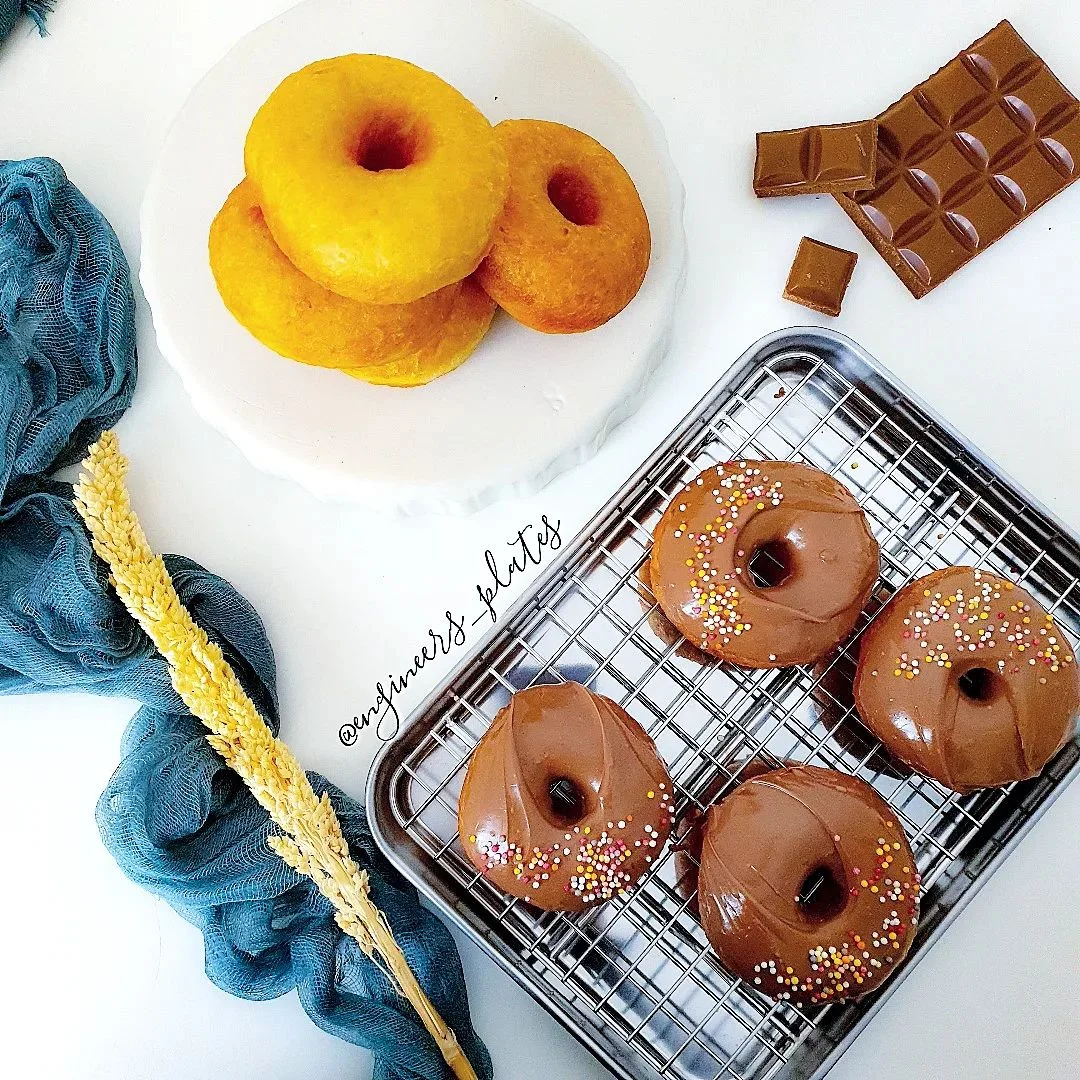
These homemade doughnuts use mashed potato in a soft, enriched dough, then are shaped and fried until golden. Make them for a freshly fried treat, ready to finish with your favourite topping.
Ingredients
- 100 gpotatoes, steamed and mashed
- 250 gplain flour
- 40 gsugar
- 1.5 tspyeast powder
- 2egg yolks
- 80 mlcold milk
- 30 gunsalted butter, at room temperature
Instructions
- 1
Mix the dough
Combine all the ingredients except the butter and mix until well combined.
- 2
Knead in butter
Add the butter and knead until the dough is no longer sticky.
- 3
Shape the dough
Dust a work surface with flour and divide the dough into small balls; the original recipe divides it into 12 doughnuts.
- 4
First proof
Cover the dough balls with a cloth and leave them to proof.
- 5
Make the holes
Flatten each ball slightly, then use a piping nozzle to make a hole in the centre.
- 6
Proof again
Cover the doughnuts with a cloth again and leave them to proof for about 20 minutes.
- 7
Fry until golden
Fry the doughnuts in hot oil until golden brown on both sides.
- 8
Add a topping
Enjoy the doughnuts with your favourite topping.
What are homemade doughnuts?
Doughnuts are sweet, shaped dough that is cooked in hot oil and often finished with a topping. They have many regional forms and traditions; this version is a simple ring doughnut made from an enriched dough.
Mashed potato is mixed into the dough alongside flour, egg yolks, milk and butter. It gives this recipe a distinctive ingredient choice, while the second proof helps the shaped doughnuts puff before frying.
Nutrition and macros by portion
The nutrition label shows one serving as written: 480 calories, 10g protein, 64g carbs, 20g fat.
| Portion | Adjustment | kcal | Protein | Carbs | Fat |
|---|---|---|---|---|---|
| Lighter | Smaller doughnuts | 336 kcal | 7g | 45g | 14g |
| This serving | As written | 480 kcal | 10g | 64g | 20g |
| Hungry | Larger portion | 720 kcal | 15g | 96g | 30g |
The flour, sugar and potato provide most of the carbohydrates; the egg yolks, milk and butter contribute protein and fat. Frying adds an unpredictable amount of fat, so serve a modest number with fruit or another lighter side if you want to balance the plate.
Why add potato?
Mashed potato: use it steamed and mashed as listed, and let it cool before mixing so it does not warm the cold milk or affect the dough's texture.
Flour and liquid: the recipe combines plain flour with 80 ml milk and potato. Add the butter after these ingredients are mixed, as directed.
Kneading and shaping
Butter: room-temperature butter is easier to work into the dough. Knead it in until the dough is no longer sticky, as the method specifies.
Holes: flatten each ball slightly, then use a piping nozzle to cut out the centre. Keep the rings covered while they wait so their surfaces do not dry out.
Proofing and timing
First rise: cover the divided dough balls with a cloth and leave them to proof. The recipe does not give a duration for this stage, so use the dough's appearance rather than a fixed time.
Second rise: after shaping the holes, cover the doughnuts again and proof for about 20 minutes. Allow for this stage when planning the frying.
Frying to a golden finish
Oil: heat it before adding the doughnuts, and fry until both sides are golden brown. The recipe does not specify an oil temperature or frying time.
Doneness: colour is the cue given in the method. Fry in manageable batches so the doughnuts have room to move and turn.
Toppings and serving
Finishing: the recipe leaves the topping to your preference, so add it once the doughnuts are cooked. A simple dusting of sugar or a glaze are easy options.
Pairing: serve them with tea or coffee, or alongside fruit for a fresh contrast to the sweet, fried dough.
Recipe notes & tips
- Cool the mashed potato before mixing it into the dough.
- Use butter at room temperature so it incorporates more readily.
- Keep the dough covered during both proofing stages.
- Use a piping nozzle to make a neat centre hole.
- Fry until golden on both sides, as the recipe directs.
- Choose your topping after frying so it can be added to the finished doughnuts.
Variations
- Sugar coating: toss the doughnuts in sugar after frying.
- Glazed finish: drizzle a simple icing glaze over the cooked doughnuts.
- Cinnamon sugar: mix ground cinnamon into sugar for a warmly spiced coating.
- Chocolate topping: dip or drizzle the cooled doughnuts with melted chocolate.
- Filled style: skip the centre hole and fill the fried doughnuts with jam.
Common mistakes to avoid
- Adding warm potato: let it cool first so it does not warm the other ingredients.
- Skipping the butter stage: mix the dough first, then add the butter as directed.
- Stopping kneading too soon: continue until the dough is no longer sticky.
- Leaving dough uncovered: keep a cloth over it during proofing to prevent the surface drying.
- Frying before the second proof: allow about 20 minutes after shaping before frying.
- Relying only on a timer: the recipe gives no frying time, so watch for golden colour on both sides.
How to store
These doughnuts are best eaten freshly fried. If needed, store cooled doughnuts in an airtight container at room temperature and eat within 1–2 days; warm briefly before serving, noting that they may not be as crisp as when freshly made.
Frequently asked questions
How many doughnuts does this recipe make?
The method says the dough was divided into 12 doughnuts. The recipe is listed as four servings, which works out to three doughnuts per serving if you make 12.
How long should the first proof take?
The method does not specify a time for the first proof. Cover the dough balls and leave them to proof, checking their appearance rather than relying on a set duration.
Can I use instant yeast instead of yeast powder?
The ingredient is listed as yeast powder, but the recipe does not clarify its type. Check the yeast product's instructions before substituting, since different products can work differently.
Can I make the doughnuts without holes?
Yes. The hole is made with a piping nozzle, so you can leave that shaping step out if you prefer round doughnuts. The cooking method remains frying in hot oil until golden on both sides.
What toppings can I use?
The recipe leaves this to your taste. Sugar, cinnamon sugar, glaze or chocolate are all straightforward options.
Can I prepare them ahead?
They are best freshly fried, but you can store cooked, cooled doughnuts in an airtight container for a short time. Rewarm briefly before serving.
Cook it from the original
This recipe comes from fooooods.com. Their page has the author’s own photos, notes and tips — the best place to cook it from.
Open the recipe on fooooods.com