
Creamy Baked Macaroni and Cheese
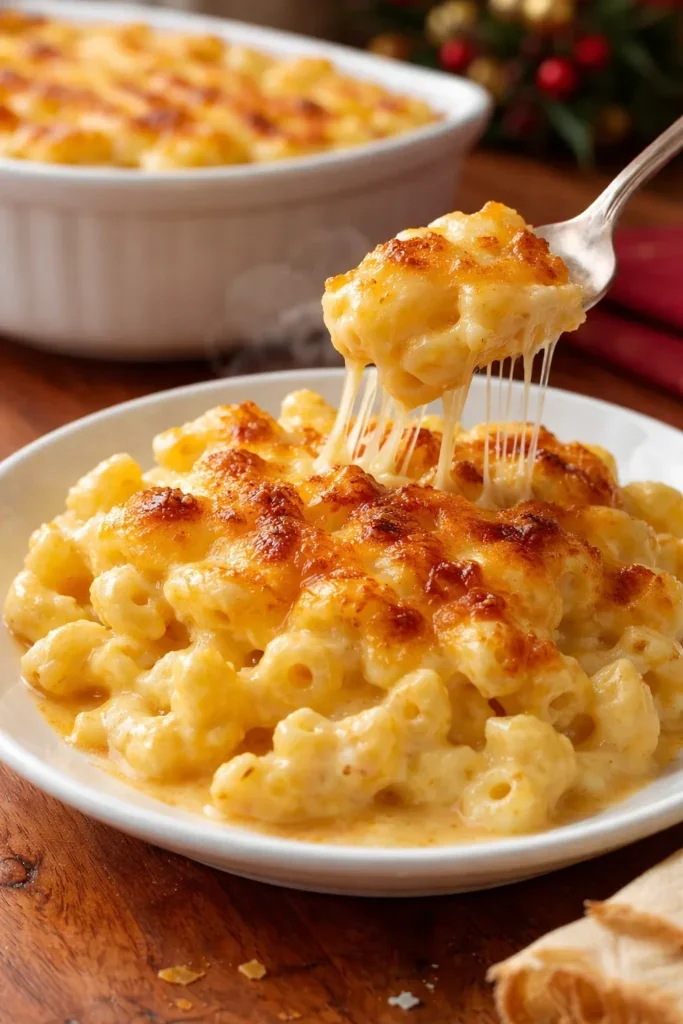
This American-style baked macaroni and cheese pairs pasta with a creamy cheddar and mozzarella sauce, finished with a golden, crisp topping if you choose to add breadcrumbs. It is a cosy family-dinner favourite that can be assembled with simple cupboard staples.
Ingredients
- 225 g (8 oz)elbow macaroni
- 480 ml (2 cups)milk
- 57 g (4 Tbsp)butter
- 16 g (2 Tbsp)plain flour
- 5 ml (1 tsp)salt
- 2.5 ml (1/2 tsp)pepper
- 225 g (2 cups)shredded Cheddar cheese
- 115 g (1 cup)shredded mozzarella
- 60 g (1/2 cup), optionalbreadcrumbs
Instructions
- 1
Preheat the oven
Heat the oven to 175°C (350°F).
- 2
Cook the macaroni
Bring a large pan of salted water to the boil. Add the elbow macaroni and cook until just al dente, then drain and set aside.
- 3
Make the roux
Melt the butter in a medium saucepan over a medium heat. Stir in the flour and cook until the mixture turns golden.
- 4
Whisk in milk
Gradually whisk the milk into the roux and let the sauce thicken.
- 5
Melt the cheese
Stir in both cheeses until they have melted into a creamy sauce.
- 6
Combine and season
Mix the cooked macaroni with the cheese sauce, then season with the salt and pepper.
- 7
Fill the dish
Transfer the macaroni mixture to a greased baking dish.
- 8
Add breadcrumbs
If using them, scatter the breadcrumbs over the top.
- 9
Bake until golden
Bake for 25–30 minutes, until the top is golden and the sauce is bubbling.
What is baked macaroni and cheese?
Macaroni and cheese is an American comfort-food classic: pasta coated in a cheese sauce, often finished in the oven. This version uses a simple butter-and-flour roux to thicken the milk, then combines Cheddar for savoury flavour with mozzarella for a stretchy, soft texture.
The brief bake brings the sauce and pasta together and gives the surface time to turn golden. Breadcrumbs are optional, but add a crisp contrast to the creamy interior.
Nutrition and macros by portion
The nutrition label shows one serving as written: 350 calories, 20g protein, 40g carbs, 15g fat.
| Portion | Adjustment | kcal | Protein | Carbs | Fat |
|---|---|---|---|---|---|
| Lighter | Skip the breadcrumb topping | 245 kcal | 14g | 28g | 11g |
| This serving | As written | 350 kcal | 20g | 40g | 15g |
| Hungry | Serve a larger portion | 525 kcal | 30g | 60g | 23g |
The macaroni supplies most of the carbohydrates, while the butter and cheese contribute much of the fat; the milk and cheeses provide the protein. Serve a portion with vegetables or salad to add freshness and balance the plate.
Build a smooth cheese sauce
Roux first: stir the flour into the melted butter and cook it until golden, so the flour is incorporated before you add the milk.
Add milk gradually: whisk as you pour to help keep the sauce smooth, then give it time to thicken before stirring in the cheese.
Melt gently: stir the cheeses into the thickened sauce until creamy. Avoid rushing this stage, which can make the sauce less smooth.
Choose the right pasta texture
Al dente macaroni: cook the pasta only until just firm to the bite, as it will continue cooking in the oven.
Drain well: excess water clinging to the pasta can thin the cheese sauce, so drain it before combining.
Even coating: mix the macaroni thoroughly with the sauce before putting it in the baking dish, so the pasta is coated throughout.
Get a golden top
Breadcrumb layer: scatter the optional breadcrumbs evenly over the surface for a crunchy finish.
Bake by sight: the dish is ready after 25–30 minutes when the top is golden and the sauce is bubbling. If the top browns before the sauce bubbles, keep an eye on it rather than extending the bake automatically.
Plan the timing
The stated total time is 45 minutes, including preparation and the 25–30-minute bake. Start heating the oven and bringing the pasta water to the boil while you get the ingredients ready.
Have the pasta drained and the sauce made before assembling the dish. That keeps the assembly straightforward and avoids leaving the macaroni waiting while you finish the sauce.
What to serve alongside
A crisp green salad or steamed green vegetables make a fresh contrast to the rich cheese sauce. Keep the side simply dressed so it does not compete with the macaroni.
For a more substantial dinner, serve it alongside roasted vegetables or a simple salad with beans. The dish is also filling enough to serve on its own.
Recipe notes & tips
- Salt the pasta water before adding the macaroni.
- Cook the pasta just to al dente so it does not become too soft in the oven.
- Whisk the milk in gradually to help make a smooth sauce.
- Grate the cheeses finely so they melt readily into the sauce.
- Grease the baking dish before adding the macaroni mixture.
- Let the dish settle briefly after baking so it is easier to serve.
Variations
- Sharper Cheddar: use a mature Cheddar for a more pronounced cheese flavour.
- Extra crunch: use the optional breadcrumbs for a crisp topping.
- Different pasta: swap in another small pasta shape that catches sauce.
- Vegetable addition: fold cooked peas into the macaroni before baking.
- Herb finish: scatter chopped parsley over the baked dish before serving.
Common mistakes to avoid
- Overcooked pasta: stop at al dente because the macaroni cooks further in the oven.
- Lumpy sauce: whisk the milk in gradually rather than adding it all at once.
- Rushed roux: cook the butter and flour until golden before adding the milk.
- Uneven seasoning: mix the salt and pepper through the pasta and sauce before baking.
- Too much browning: check the top during the 25–30-minute bake and take it out when golden and bubbling.
How to store
Refrigerate leftovers in a covered container and eat within 3–4 days. Reheat in the oven or microwave until hot throughout; add a small splash of milk if the sauce has thickened.
Frequently asked questions
Can I leave out the breadcrumbs?
Yes. They are optional, so you can bake the macaroni without them; the top will be less crunchy.
How do I know when the macaroni is done?
Look for a golden top and bubbling sauce after 25–30 minutes in the oven.
Why should the pasta be al dente?
It continues to cook during baking. Starting with pasta that is already very soft can leave it overcooked in the finished dish.
Can I prepare the dish ahead?
You can assemble it ahead and keep it covered in the fridge. The recipe gives a 25–30-minute bake for the assembled dish; allow extra time if it goes into the oven cold.
Can I use a different cheese?
You can vary the cheese, but keep in mind that the recipe relies on Cheddar for flavour and mozzarella for its stretchy texture.
Cook it from the original
This recipe comes from benefitrecipes.com. Their page has the author’s own photos, notes and tips — the best place to cook it from.
Open the recipe on benefitrecipes.com