
Coconut Cake With Toasted Coconut Glaze
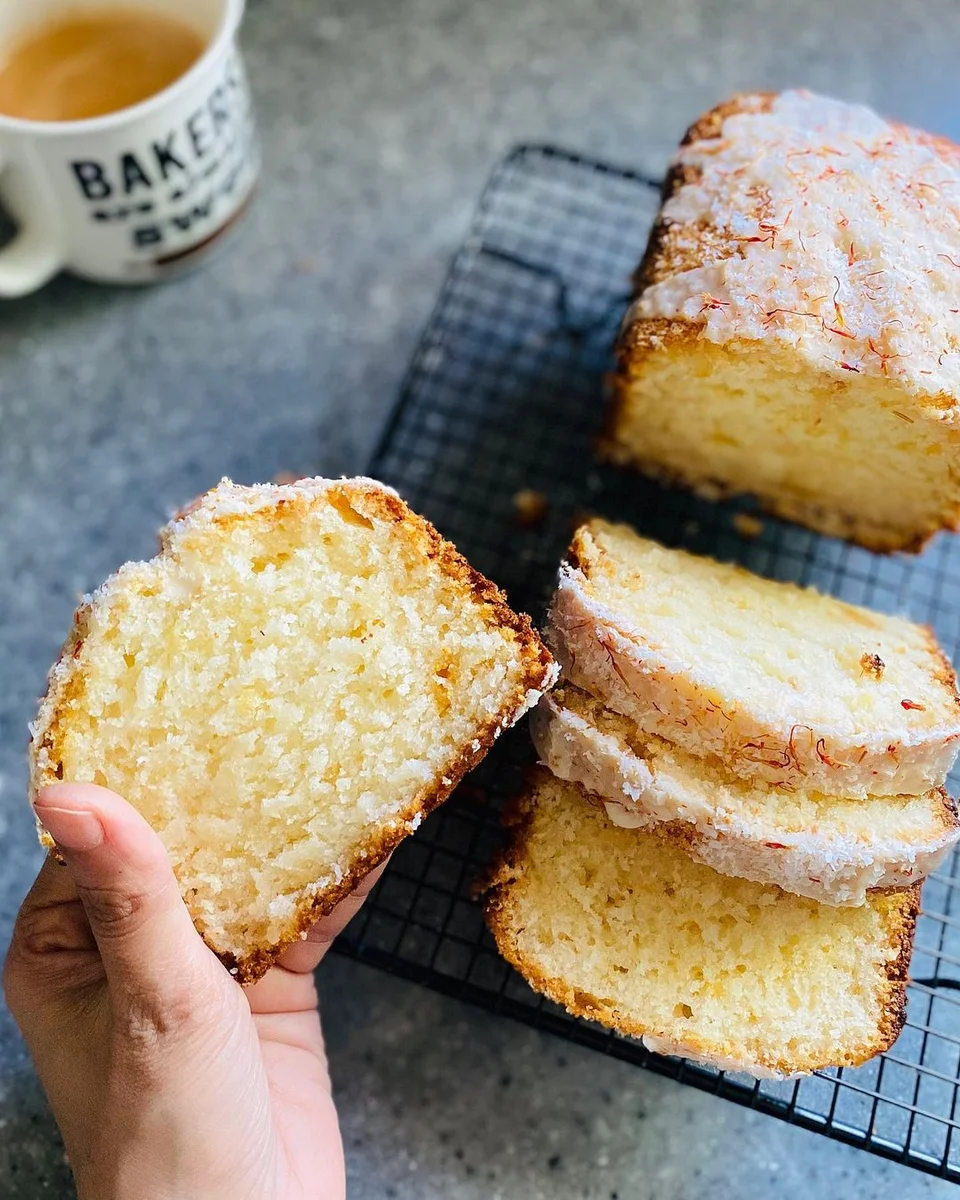
This is a soft coconut cake flavoured with vanilla and finished with a toasted coconut glaze. It makes a straightforward bake for sharing, with coconut in both the batter and the topping.
Ingredients
- 180 g (1½ cups)plain flour (maida)
- 2 teaspoonsbaking powder
- 40 g (½ cup)desiccated coconut
- 2 teaspoonsvanilla extract
- 120 ml (½ cup)oil or butter
- 200 g (1 cup)white sugar
- 240 ml (1 cup)warm coconut milk or cream, or plain milk
- 2 largeeggs; or 120 ml (½ cup) full-fat yoghurt for the egg-free version
- To tastecoconut extract
Instructions
- 1
Cream butter and sugar
Beat the butter and sugar by hand or in a stand mixer for 3–5 minutes, until pale and creamy.
- 2
Beat in eggs
Add the eggs one at a time, beating for a further 2–3 minutes.
- 3
Add dry ingredients
Sift in the flour and baking powder, then beat for 1–2 minutes.
- 4
Mix in liquids
Add the milk, vanilla essence and coconut extract.
- 5
Fold in coconut
Add the desiccated coconut and mix it through with a spatula.
- 6
Bake the cake
Bake in an oven preheated to 150°C for 40–45 minutes, until a cake tester or toothpick comes out clean.
- 7
Cool completely
Transfer the cake to a rack and let it cool completely.
- 8
Add the glaze
Top the cooled cake with coconut glaze.
- 9
Serve the cake
Once topped, the cake is ready to serve.
What is coconut cake?
Coconut cake is a sweet baked cake in which coconut brings flavour and texture to a familiar flour-and-egg base. This version uses desiccated coconut in the batter and coconut milk or cream for a richer coconut note.
The method follows a classic creamed-cake approach: butter and sugar are beaten until pale, then eggs and the remaining ingredients are added. A coconut glaze completes the cake, though its ingredients and preparation are not included in the recipe details provided.
Nutrition and macros by portion
The nutrition label shows one serving as written: 817 calories, 10g protein, 105g carbs, 44g fat.
| Portion | Adjustment | kcal | Protein | Carbs | Fat |
|---|---|---|---|---|---|
| Lighter | Use plain milk | 572 kcal | 7g | 74g | 31g |
| This serving | As written | 817 kcal | 10g | 105g | 44g |
| Hungry | Serve a larger slice | 1226 kcal | 15g | 158g | 66g |
Most of the carbohydrates come from the flour and sugar, while the oil or butter and coconut milk or cream contribute much of the fat. Eggs and dairy contribute some protein, with a smaller amount from the flour and coconut. Serve a slice with fresh fruit or plain yoghurt for a more balanced plate.
Choose your fat and milk
Butter: the method specifically says to cream butter with the sugar. If using butter, let it soften enough to beat smoothly.
Coconut milk: this gives the batter a coconut-forward flavour, while cream or plain milk are listed as alternatives. The recipe does not specify whether the coconut milk should be full-fat or light.
Cream for a light base
Creaming: beat the butter and sugar for the stated 3–5 minutes, until the mixture looks pale and creamy. This is the main aeration step in the method.
Eggs: add them individually and beat for another 2–3 minutes. This gives each egg time to incorporate before the next goes in.
Mix gently after the flour
Flour: sift it with the baking powder before adding it to the bowl, as the method directs. Beat for the stated 1–2 minutes, then add the milk and flavourings.
Coconut: fold it in with a spatula so it is distributed through the batter. Avoid continuing to beat once the coconut has been added.
Check for doneness
Oven: bake at 150°C for 40–45 minutes. The recipe does not give a tin size, so use a suitable cake tin and begin checking near the shorter end of the time range.
Cake tester: insert a tester or toothpick into the centre. The cake is ready when it comes out clean; cool the cake completely on a rack before adding the glaze.
Serving and pairing
Glaze: add the coconut glaze only after the cake has cooled, so it can sit on the surface rather than melting into a warm cake. Toasted coconut is named in the cake title, but the recipe details do not say how to toast it or give glaze quantities.
To serve: cut the cake into four portions as listed. It pairs well with tea or coffee, or with fresh fruit alongside.
Recipe notes & tips
- Use softened butter if following the creaming method.
- Add the eggs one at a time and beat them in before adding the next.
- Sift the flour and baking powder together before mixing them into the batter.
- Use a spatula to fold in the desiccated coconut.
- Start checking the cake at 40 minutes, as oven performance can vary.
- Cool the cake completely before adding the glaze.
Variations
- Egg-free option: replace the two eggs with 120 ml (½ cup) full-fat yoghurt, as suggested in the recipe.
- Plain milk: use regular milk instead of coconut milk or cream for a milder coconut flavour.
- Coconut milk: choose it in place of plain milk for a stronger coconut note.
- Butter: use butter rather than oil if you want to follow the creaming method as written.
- Vanilla: keep the vanilla extract in the batter for a warm flavour alongside the coconut.
Common mistakes to avoid
- Cold butter: it may not cream smoothly; soften it before beating with the sugar.
- Adding eggs together: the mixture may not combine evenly; beat them in one at a time.
- Skipping the sifting: sift the flour and baking powder together before adding them.
- Overmixing the coconut: fold it in with a spatula rather than beating it hard.
- Glazing while warm: the topping may melt into the cake; wait until it is completely cool.
- Baking by time alone: check the centre with a tester, which should come out clean.
How to store
Once cool, store the cake in an airtight container at room temperature for up to 2 days, or refrigerate it for up to 5 days. Bring chilled slices to room temperature or warm them briefly before serving.
Frequently asked questions
Can I make this cake without eggs?
Yes. The recipe suggests replacing the two large eggs with 120 ml (½ cup) of full-fat yoghurt.
Can I use plain milk instead of coconut milk?
Yes, plain milk is listed as an alternative. The coconut flavour will be less pronounced.
Can I use oil instead of butter?
Oil is listed as an option, but the method describes creaming butter and sugar. If using oil, the texture and mixing behaviour may differ.
How do I know when the cake is baked?
Test the centre with a cake tester or toothpick after 40 minutes. It should come out clean.
When should I add the glaze?
Add it after the cake has cooled completely on the rack. The recipe details do not provide the glaze ingredients or instructions.
Cook it from the original
This recipe comes from fooooods.com. Their page has the author’s own photos, notes and tips — the best place to cook it from.
Open the recipe on fooooods.com