
Hearty Nova Scotia Seafood Chowder for Cozy Nights In
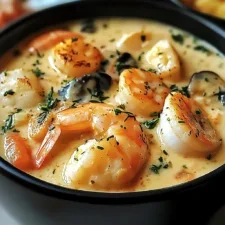
This Nova Scotia-style seafood chowder brings white fish, shrimp and scallops together with potatoes in a creamy, herb-scented broth. It makes a warming meal for a chilly evening and is ready in about 50 minutes.
Ingredients
- 240 ml (1 cup)double cream
- 240 ml (1 cup)whole milk
- 454 g (1 pound)white fish, such as haddock, cod or halibut
- 454 g (1 pound)shrimp
- 454 g (1 pound)scallops (optional)
- 2 mediumpotatoes, such as Yukon Gold or Russet
- 950 ml (4 cups)seafood stock or chicken stock
- 2 clovesgarlic
- 1 mediumonion
- to tastearomatic herbs, such as thyme and bay leaf
Instructions
- 1
Prepare ingredients
Chop the onion, garlic, potatoes and fish into bite-sized pieces. Rinse mussels if using.
- 2
Soften aromatics
Warm oil in a large pot over medium heat. Add the onion and cook until translucent, then stir in the minced garlic and cook until fragrant.
- 3
Simmer potatoes
Add the diced potatoes and stir to combine. Pour in the seafood stock and bring it to a simmer; cook until the potatoes are tender.
- 4
Cook seafood
Stir in the white fish, shrimp, scallops and mussels, if using. Simmer gently until the seafood is cooked through.
- 5
Add dairy
Reduce the heat and stir in the double cream and whole milk. Season with salt, pepper and fresh herbs.
- 6
Serve warm
Ladle the chowder into bowls and add more herbs on top if desired. Serve warm.
What is Nova Scotia seafood chowder?
Seafood chowder is a substantial soup built around seafood, potatoes and a creamy or stock-based broth. This version takes inspiration from the Atlantic coast of Canada, where fish and shellfish are natural choices for a warming pot.
White fish, shrimp and optional scallops make a varied mix, while potatoes give the broth body. Stock and dairy create a comforting base without obscuring the seafood.
Nutrition and macros by portion
The nutrition label shows one serving as written: 450 calories, 20g protein, 35g carbs, 25g fat.
| Portion | Adjustment | kcal | Protein | Carbs | Fat |
|---|---|---|---|---|---|
| Lighter | Use less cream | 315 kcal | 14g | 25g | 18g |
| This serving | As written | 450 kcal | 20g | 35g | 25g |
| Hungry | Serve a larger bowl | 675 kcal | 30g | 53g | 38g |
The potatoes and milk provide much of the carbohydrate, while the cream contributes a substantial share of the fat. Fish, shrimp and scallops supply the protein. Serve a bowl with salad or vegetables alongside for a more balanced plate.
The key ingredients
White fish: Haddock, cod and halibut are all suggested options. Cut the fish into similar-sized pieces so it cooks evenly.
Shellfish: Shrimp and scallops add variety; the scallops are optional. The method mentions mussels, but they are not included in the supplied ingredient list.
Potatoes: Yukon Gold or Russet potatoes are suggested. Their tenderness helps make the chowder hearty and gives each bowl a satisfying base.
Build flavour before adding stock
Aromatics: Cook the onion in oil over medium heat until translucent, then add the garlic. This order softens the onion while keeping the garlic from spending too long in the hot pot.
Stock: Stir the potatoes through the softened aromatics before pouring in the stock. Let them simmer until tender before adding seafood, which needs less cooking time.
Keep the seafood tender
Gentle heat: Once the seafood goes in, keep the pot at a gentle simmer rather than a vigorous boil. Check that the pieces are cooked through, then move on to the dairy.
Cream and milk: Stir these in over lowered heat. A gentler finish helps the chowder stay smooth and keeps the seafood from cooking longer than necessary.
Season and serve
Herbs: Thyme and bay leaf are suggested as aromatic choices, with fresh herbs used for seasoning and an optional garnish. Add them with the dairy as directed, and taste the broth before serving.
On the side: Crusty bread is useful for soaking up the creamy broth, while a fresh salad gives the meal a lighter contrast. Serve the chowder warm.
Timing and doneness
Potatoes: Let them simmer until tender before adding the seafood; a fork should pass through without much resistance.
Seafood: Simmer just until cooked through. The recipe gives no exact cooking time for this stage, so use the appearance and texture of the fish and shellfish as your guide.
Recipe notes & tips
- Cut the potatoes and fish into pieces of similar size for more even cooking.
- Keep the seafood at a gentle simmer so it cooks through without becoming tough.
- Lower the heat before stirring in the cream and milk.
- Add the optional scallops only if you want to include them.
- Taste the broth after adding herbs and adjust the salt and pepper to suit your preference.
Variations
- Swap the stock: Use chicken stock instead of seafood stock, as the recipe allows.
- Choose another white fish: Use haddock, cod or halibut.
- Skip scallops: Leave them out for a simpler seafood mix.
- Change the herbs: Use thyme, bay leaf or both for the aromatic flavour.
- Add the suggested mussels: The method mentions mussels, but the ingredient list does not specify an amount.
Common mistakes to avoid
- Boiling hard: A vigorous boil can make seafood tough; keep the pot at a gentle simmer.
- Adding seafood too soon: Fish and shellfish need less cooking than potatoes; wait until the potatoes are tender.
- Cooking garlic too long: Add it after the onion and cook only until fragrant.
- Adding dairy over high heat: Lower the heat first, then stir in the cream and milk.
- Skipping the final seasoning check: Taste the broth after adding herbs and adjust the salt and pepper.
How to store
Cool leftovers promptly and keep them in a covered container in the fridge for up to 2 days. Reheat gently in a saucepan until hot, stirring carefully and avoiding a hard boil.
Frequently asked questions
Can I make this without scallops?
Yes. Scallops are marked optional, so you can leave them out and make the chowder with white fish and shrimp.
Which fish works best?
The recipe suggests haddock, cod or halibut. Cut whichever you choose into bite-sized pieces.
Can I use chicken stock?
Yes. Chicken stock is listed as an alternative to seafood stock.
When should I add the seafood?
Add it once the potatoes are tender, then simmer gently until the seafood is cooked through.
Are mussels included in the recipe?
The method mentions rinsing and adding mussels if using, but the ingredient list gives no amount for them. Treat them as an optional extra and use your own judgement about quantity.
What can I serve with the chowder?
Crusty bread or a fresh salad are suggested accompaniments.
Cook it from the original
This recipe comes from bazarecipe.com. Their page has the author’s own photos, notes and tips — the best place to cook it from.
Open the recipe on bazarecipe.com