
Four-cheese frittata
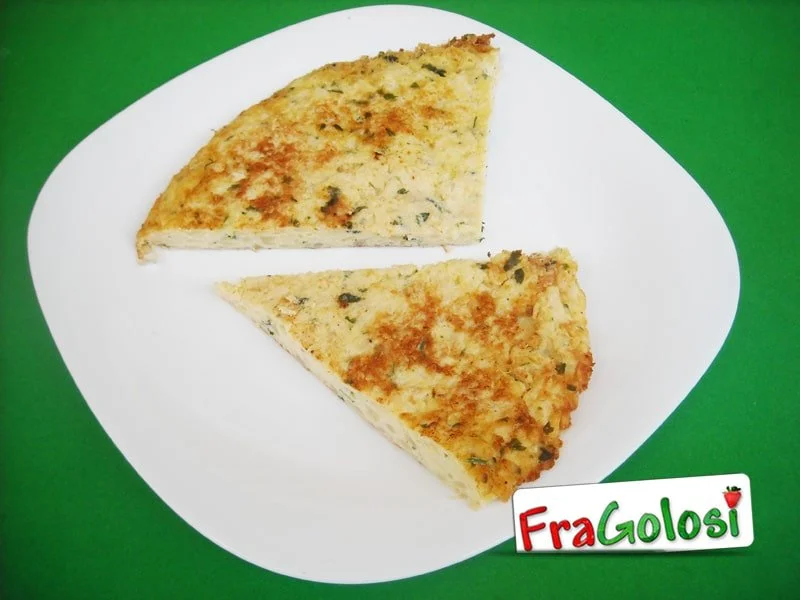
This Italian four-cheese frittata combines eggs with fontina, mozzarella, Emmental and grated Grana for a rich, savoury dish. Serve it hot as a main course, or cut it into smaller pieces for a starter or aperitif snack.
Ingredients
- 6eggs
- 60 gfontina
- 60 gmozzarella
- 60 gEmmental
- 60 ggrated Grana
- 30–45 ml (2–3 tablespoons) olive oil, or 2 knobs of butterextra-virgin olive oil or butter
- to tastesalt
- to tasteblack pepper
Instructions
- 1
Prepare the ingredients
Cut the cheeses into small cubes. Crack each egg into a small dish first to check its freshness.
- 2
Mix the eggs
Tip the eggs into a bowl and beat them briefly. Stir in the grated Grana and cubed cheeses, then season with salt and pepper.
- 3
Heat the pan
Add 2–3 tablespoons of olive oil or 2 knobs of butter to an iron or non-stick frying pan.
- 4
Add the mixture
Heat the pan, then pour in the egg and cheese mixture.
- 5
Cover the base
Tilt the pan in a circular motion so the mixture spreads evenly over its base.
- 6
Cook the first side
Cover the pan and cook over a low heat. Shake it several times and move it around over the burner so the frittata colours evenly.
- 7
Check the edges
When the frittata releases from the base, it is ready to turn. If needed, loosen it from the sides with a small spatula.
- 8
Turn the frittata
Place a plate or lid over the pan, hold it firmly in place and turn the pan over to transfer the frittata.
- 9
Cook the other side
Return the pan to the heat and add a little oil or a small piece of butter. Slide the frittata from the plate back into the pan to cook the other side.
- 10
Serve hot
Once cooked through, slide the four-cheese frittata onto a serving plate and serve while hot.
What is a four-cheese frittata?
A frittata is an Italian egg dish cooked in a pan, with its fillings mixed into the eggs rather than folded inside like an omelette. This version brings together four cheeses for a soft, savoury centre and plenty of flavour.
The gentle heat and covered pan help the mixture cook evenly before it is turned to finish on the other side. Serve it as a simple main course or cut it into small portions for an aperitif.
Nutrition and macros by portion
The nutrition label shows one serving as written: 430 calories, 30g protein, 3g carbs, 33g fat.
| Portion | Adjustment | kcal | Protein | Carbs | Fat |
|---|---|---|---|---|---|
| Lighter | Use less cooking fat | 301 kcal | 21g | 2g | 23g |
| This serving | As written | 430 kcal | 30g | 3g | 33g |
| Hungry | Serve a larger slice | 645 kcal | 45g | 5g | 50g |
The eggs and cheeses provide most of the protein, while the eggs and cooking fat contribute much of the fat. There are few carbohydrate-rich ingredients, so balance the plate with vegetables and, if you like, a slice of bread.
Choosing the cheeses
Fontina: this melts into the eggs and gives the frittata a smooth, rich texture.
Mozzarella: cut it into small cubes so it is spread throughout the mixture rather than gathered in a few large pockets.
Emmental and Grana: the Emmental adds another melting cheese, while grated Grana disperses easily through the beaten eggs.
Keep the heat gentle
Low heat gives the centre time to set without scorching the base. Covering the pan helps the top cook as well, while shaking and repositioning the pan encourages more even browning.
When to turn it
Look for the frittata to release from the base and for the edges to feel set before turning. If it still clings, carefully loosen the sides with a small spatula rather than forcing it.
Turning it safely
Use a plate or lid that fully covers the pan and hold it firmly as you invert the pan. Slide the frittata back in carefully, then let the second side cook until the eggs are set.
How to serve it
Serve the frittata hot as the recipe suggests, with a crisp green salad or cooked vegetables alongside. For an aperitif, let it settle briefly and cut it into bite-sized pieces.
Recipe notes & tips
- Cut the cheeses into similarly small cubes so they are distributed evenly.
- Beat the eggs only briefly, as directed, before mixing in the cheeses.
- Use a non-stick pan if you are concerned about the frittata sticking.
- Keep the heat low and shift the pan over the burner to help it colour evenly.
- Choose a plate or lid wider than the pan for a more secure turn.
Variations
- Add herbs: fold chopped parsley into the egg mixture for a fresh note.
- Add spring onion: finely slice it and mix it into the beaten eggs.
- Use another melting cheese: replace one of the listed cheeses with an equal amount of a similar cheese.
- Add cooked vegetables: mix in well-drained, cooked vegetables before pouring the mixture into the pan.
Common mistakes to avoid
- Using high heat: the base may brown before the centre sets; cook gently over a low flame.
- Large cheese pieces: they can make the frittata uneven; cut the cheeses into small cubes.
- Turning too soon: the frittata may break apart; wait until it releases from the base and loosen the edges if needed.
- A loose grip during the turn: the frittata can slip; hold a plate or lid firmly over the pan before inverting.
- Skipping the second side: the top may remain undercooked; slide the frittata back into the pan to finish cooking.
How to store
Refrigerate leftovers in a covered container and eat within 2 days. Reheat gently in a pan over low heat or in the microwave until warmed through.
Frequently asked questions
Can I use a non-stick frying pan?
Yes. The method allows for an iron or non-stick pan, and a non-stick surface can make it easier to release and turn the frittata.
How do I know when it is ready to turn?
The frittata should release from the base. If the edges remain attached, loosen them carefully with a small spatula.
Can I use butter instead of olive oil?
Yes. The method gives 2 knobs of butter as an alternative to 2–3 tablespoons of olive oil.
Can I serve this frittata cold?
The recipe recommends serving it hot. It can also be cut into small pieces for an aperitif once it has cooled slightly.
What can I serve with it?
A green salad or cooked vegetables make a fresh accompaniment. Bread is another option if you want a more substantial meal.
Cook it from the original
This recipe comes from fragolosi.it. Their page has the author’s own photos, notes and tips — the best place to cook it from.
Open the recipe on fragolosi.it