
Sicilian frittata
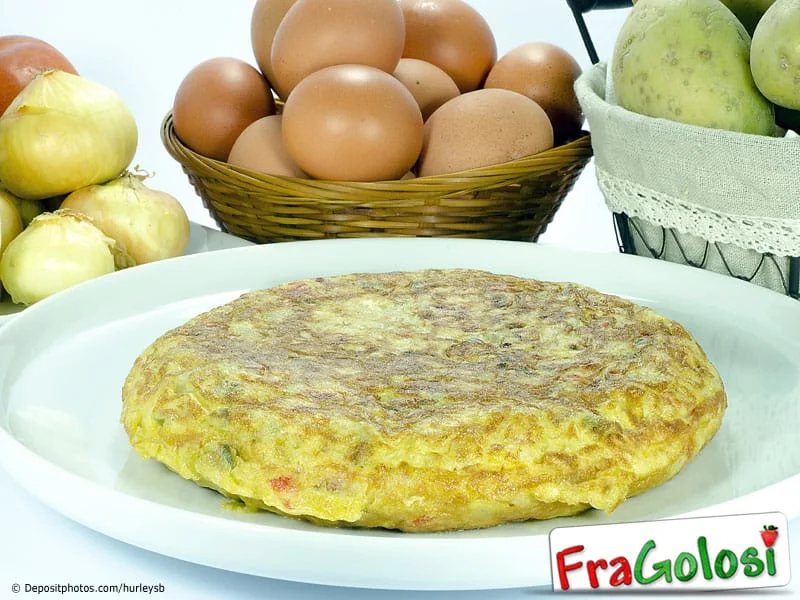
This Sicilian-style frittata combines eggs with potatoes, softened onions, basil and two cheeses for a substantial pan-cooked meal. It is a useful way to make a few simple ingredients into a dish that works warm for lunch or dinner.
Ingredients
- 6eggs
- 100 gspun-curd cheese
- 2onions
- 2potatoes
- 25 ggrated Grana cheese
- 25 ggrated Pecorino cheese
- to tastebasil
- to tasteextra-virgin olive oil
- to tastesalt
- to tasteblack pepper
Instructions
- 1
Fry the potatoes
Peel, wash and dry the potatoes, then cut them into small dice. Fry them in a little oil in a non-stick frying pan, then set aside.
- 2
Soften the onions
Peel, wash and finely chop the onions. Cook them gently in a pan with a little oil until softened.
- 3
Mix the filling
Crack each egg into a small dish first to check its freshness, then tip the eggs into a bowl and beat briefly. Stir in the cheeses, onion, potatoes and basil; season with salt and pepper.
- 4
Heat the pan
Pour 2–3 tablespoons of oil into an iron or non-stick frying pan. Heat it, then pour in the egg mixture.
- 5
Spread the mixture
Tilt the pan in a circular motion so the egg mixture covers the base evenly.
- 6
Cook the first side
Cover the pan and cook over a low heat, shaking it several times. Move the pan around over the flame regularly so the frittata colours evenly.
- 7
Loosen the edges
When the frittata releases from the base, it is ready to turn. If needed, ease it away from the sides with a small spatula.
- 8
Turn the frittata
Place a plate or lid over the pan, hold it firmly in place and turn the frittata out onto it.
- 9
Cook the other side
Return the pan to the heat and add a drizzle of oil or a small knob of butter. Slide the frittata from the plate back into the pan to cook the other side.
- 10
Serve warm
When cooked through, slide the Sicilian frittata onto a serving plate and serve while hot.
What is Sicilian frittata?
Frittata is an Italian egg dish cooked in a pan with other ingredients mixed through it. This version takes inspiration from Sicilian home cooking, pairing potatoes and onions with basil and a combination of cheeses.
The cooked potatoes make it hearty, while the cheeses add savoury depth. Cooking it gently under a lid helps the egg set before the frittata is turned.
Nutrition and macros by portion
The nutrition label shows one serving as written: 410 calories, 24g protein, 31g carbs, 24g fat.
| Portion | Adjustment | kcal | Protein | Carbs | Fat |
|---|---|---|---|---|---|
| Lighter | Use less cooking oil | 287 kcal | 17g | 22g | 17g |
| This serving | As written | 410 kcal | 24g | 31g | 24g |
| Hungry | Serve a larger wedge | 615 kcal | 36g | 47g | 36g |
The potatoes and onions supply most of the carbohydrates, while the eggs and cheeses contribute protein. The eggs, cheeses and cooking oil account for much of the fat. Pair a serving with salad or other non-starchy vegetables for a more balanced plate.
The ingredients that make it work
Potatoes: cut them into small, even dice so they cook through quickly and are easy to fold into the eggs.
Cheese: the spun-curd cheese gives the filling a soft, melting element, while Grana and Pecorino contribute a firmer, savoury flavour.
Basil: add it to the egg mixture for a fresh herbal note that complements the onions and cheese.
Prepare the filling first
Potatoes: fry the diced pieces before adding them to the eggs; they will not have enough time to cook from raw during the frittata’s gentle setting.
Onions: soften them in oil rather than rushing them over high heat, so they become tender and blend easily into the filling.
Eggs: beat them only briefly, as the method directs, then mix in the prepared ingredients and season before they go into the pan.
Cook gently and evenly
Low heat gives the centre time to set without over-browning the underside. Keep the pan covered and shake it several times as it cooks.
Move the pan’s position over the flame regularly to encourage even colour. The frittata is ready to turn when it releases from the base; use a spatula to free any edges that remain stuck.
Turning without breaking
A plate or flat lid makes the turn easier: cover the pan, hold the plate firmly and invert the frittata onto it. Choose a plate wider than the pan and keep your grip secure.
Once the first side is cooked, add a little more oil or a small knob of butter before sliding the frittata back into the pan. Let the second side cook before transferring it to the serving plate.
Serve it as a meal
Serve the frittata warm with a crisp green salad or simply dressed tomatoes to provide a fresh contrast to the rich eggs and cheese.
It can also be cut into smaller wedges for a shared lunch spread. Allow it to settle briefly after cooking so the slices are easier to lift.
Recipe notes & tips
- Cut the potatoes into similarly sized dice so they fry at an even rate.
- Let the onions soften before adding them to the egg mixture.
- Use a pan with a flat base and sides that make the frittata easy to loosen.
- Keep the heat low and shift the pan over the flame to help it cook evenly.
- Use a plate wider than the pan when turning the frittata.
- Slide the cooked frittata onto its serving plate rather than lifting it with a spatula.
Variations
- Add parsley: use it alongside or instead of basil for a different fresh-herb flavour.
- Use another melting cheese: replace the spun-curd cheese with a similar mild cheese that softens when heated.
- Add courgette: cook diced courgette until tender before mixing it into the eggs.
- Make it peppery: add a little extra black pepper to the beaten eggs.
- Serve it cold: cool the cooked frittata and cut it into wedges for a lunch spread.
Common mistakes to avoid
- Large potato dice: they may stay firm; cut the potatoes into small, even pieces.
- Hot cooking heat: the base can brown before the centre sets; cook the frittata over a low heat.
- Uneven colouring: leaving the pan in one position can give patchy results; move it around the flame.
- Skipping the loosening: a stuck edge can tear during the turn; free the sides with a small spatula first.
- An insecure turn: a slipping plate can break the frittata; use a plate wider than the pan and hold it firmly.
- Too little oil for the second side: the frittata may catch; add a drizzle of oil or a small knob of butter before sliding it back in.
How to store
Refrigerate leftovers in a covered container for up to 3 days. Reheat gently in a pan over a low heat or in the microwave until hot, or serve chilled.
Frequently asked questions
How do I know when the frittata is ready to turn?
It should release from the base of the pan. If the edges are still attached, ease them free with a small spatula before turning.
Can I use a non-stick pan?
Yes. The method allows for either an iron or a non-stick pan; choose one that is wide enough to cook the mixture in an even layer.
Why cook the potatoes before adding them?
The frittata cooks gently and briefly compared with the time raw potatoes need. Frying them first helps ensure they are tender in the finished dish.
Can I prepare the ingredients in advance?
You can cook the potatoes and soften the onions ahead of time, then refrigerate them until needed. Mix them with the eggs and cheeses shortly before cooking.
Can I eat Sicilian frittata cold?
Yes. It can be served cold, though the recipe suggests serving it hot; chill leftovers promptly if you plan to eat them later.
Cook it from the original
This recipe comes from fragolosi.it. Their page has the author’s own photos, notes and tips — the best place to cook it from.
Open the recipe on fragolosi.it