
Lemon Greek Salad
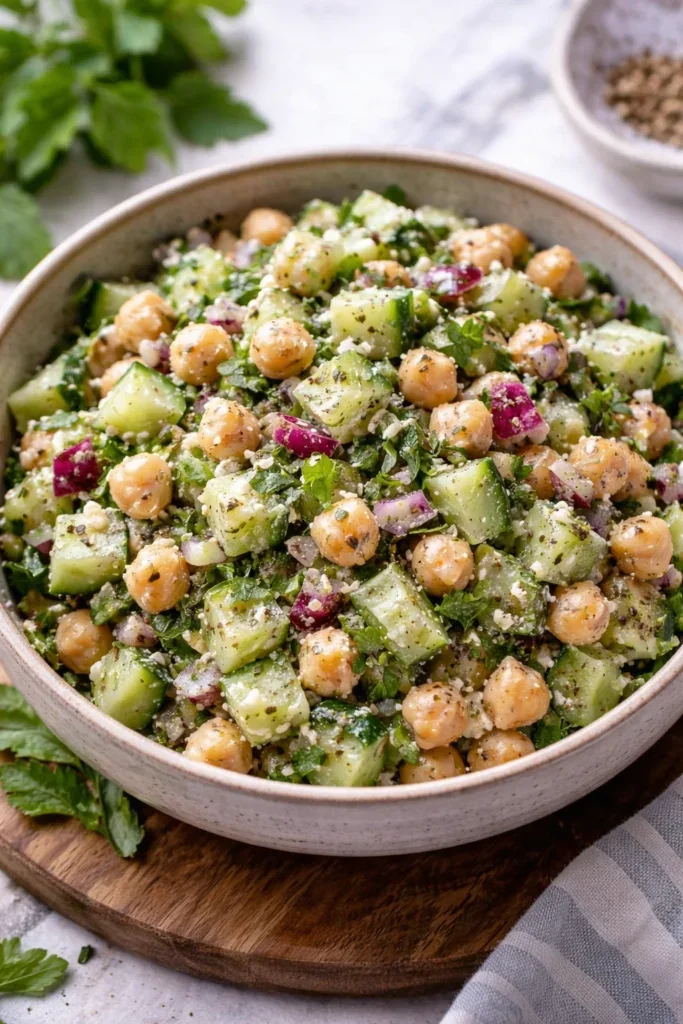
Lemon Greek Salad pairs crisp lettuce, cucumber and tomatoes with Kalamata olives, feta and a fragrant lemon-oregano dressing. It comes together in 15 minutes and makes a fresh side for a Mediterranean-inspired meal.
Ingredients
- 140 g (3 cups)Romaine lettuce, chopped
- 1 largecucumber, seeded and diced
- 300 g (2 cups)cherry tomatoes, halved
- 75 g (½ cup)Kalamata olives, pitted and halved
- 75 g (½ cup)feta cheese, crumbled (or vegan feta)
- 15 g (¼ cup)fresh parsley, chopped
- 60 ml (¼ cup)extra-virgin olive oil
- Juice of 2 lemons (about 45 ml; about 3 tablespoons)lemon juice
- 1 teaspoonlemon zest
- 1 teaspoondried oregano
- 1 clovegarlic, minced
- To tastesalt and freshly cracked black pepper
Instructions
- 1
Prepare vegetables
Wash and chop the Romaine, halve the cherry tomatoes, dice the cucumber and thinly slice the red onion. Arrange them in a large salad bowl.
- 2
Mix the dressing
Whisk the olive oil, lemon juice, lemon zest, minced garlic, dried oregano, salt and pepper together in a small bowl. Taste and adjust the balance so the lemon tastes bright rather than harsh.
- 3
Toss the salad
Pour the dressing over the salad and toss gently to coat the leaves. Add the olives and crumbled feta at the end so they remain distinct.
- 4
Rest and serve
Leave the salad for 5 to 10 minutes to let the flavours come together. Finish with parsley and another grind of pepper, then serve immediately.
What is Greek salad?
Greek salad, often called horiatiki, is a Greek combination of fresh vegetables, olives and feta, usually dressed simply with olive oil and seasoning. This version uses crisp Romaine and a lemon-forward dressing for a bright, leafy take on those familiar flavours.
The balance comes from pairing juicy tomatoes and cooling cucumber with briny olives, tangy feta and aromatic oregano. Parsley and lemon zest add freshness without making the dressing complicated.
Nutrition and macros by portion
The nutrition label shows one serving as written: 210 calories, 4g protein, 10g carbs, 18g fat.
| Portion | Adjustment | kcal | Protein | Carbs | Fat |
|---|---|---|---|---|---|
| Lighter | Use less olive oil | 147 kcal | 3g | 7g | 13g |
| This serving | As written | 210 kcal | 4g | 10g | 18g |
| Hungry | Serve a larger portion | 315 kcal | 6g | 15g | 27g |
The carbohydrate comes mainly from the vegetables, while olive oil and feta provide most of the fat; feta also contributes some protein. Pair a serving with a protein-rich main and a slice of bread or another grain if you want a more filling, balanced plate.
Choose crisp vegetables
Romaine: its sturdy leaves hold up well to the dressing, especially if the salad sits briefly before serving. Dry the leaves after washing so the dressing clings instead of becoming diluted.
Cucumber and tomatoes: seed and dice the cucumber as directed, and halve the tomatoes so their juices can mingle with the dressing. Choose ripe tomatoes that still feel firm enough to keep their shape.
Make a balanced dressing
Lemon: juice and zest bring both acidity and aroma. Taste the mixture before dressing the salad; if it seems too sharp, adjust with a little more olive oil rather than adding an unlisted ingredient.
Oregano and garlic: dried oregano gives the dressing its savoury Greek-style character, while minced garlic adds depth. Whisk thoroughly so the oil and lemon are evenly distributed before pouring.
Add the finishing ingredients last
Olives and feta: folding these in at the end helps keep their shapes visible and their textures distinct. Their saltiness also seasons the salad, so taste before adding much extra salt.
Parsley: scatter it over the top just before serving for a fresh, grassy finish. A final grind of pepper adds a little more savoury bite.
Use the short resting time
A 5-to-10-minute rest gives the vegetables time to pick up the lemon and oregano. Keep the rest brief: the dressing will gradually soften the lettuce and draw moisture from the tomatoes.
Serve promptly after resting so the Romaine stays crisp. If preparing ahead, keep the dressing separate and toss just before serving.
Serve it with
This salad works as a side for grilled fish, chicken or roasted vegetables, or alongside warm flatbread for a simple meal. The crisp vegetables and lemon dressing also complement richer mains.
For a more substantial plate, serve it with a protein-rich dish such as grilled chicken or chickpeas. Add that accompaniment separately rather than changing the salad itself.
Recipe notes & tips
- Dry the Romaine well after washing so excess water does not thin the dressing.
- Cut the vegetables into similar-sized pieces for an easy-to-eat mix.
- Whisk the dressing again just before pouring if the oil and lemon have separated.
- Taste before adding salt because the feta and olives are already salty.
- Keep the parsley for the final garnish to preserve its fresh flavour.
Variations
- Dairy-free feta: use vegan feta in place of the regular feta.
- Extra herbs: add a little more chopped parsley for a stronger fresh-herb note.
- Milder dressing: start with less lemon juice and add more after tasting.
- Peppery finish: add extra freshly cracked black pepper just before serving.
Common mistakes to avoid
- Wet lettuce: it dilutes the dressing; dry the leaves thoroughly after washing.
- Overmixing the feta: it can break into the dressing; fold it in gently at the end.
- Too much salt: feta and olives add saltiness; taste the dressed salad before seasoning further.
- Long resting time: the leaves can lose their crunch; keep the rest to 5 to 10 minutes.
- Dressing too sharp: taste before tossing and adjust the balance with the olive oil already in the recipe.
How to store
For the best texture, serve the salad soon after its 5-to-10-minute rest. If storing leftovers, refrigerate them in an airtight container and eat within a day; the dressed lettuce will soften, and this salad is best served cold rather than reheated.
Frequently asked questions
Can I make the salad ahead?
Prepare and chill the chopped vegetables and dressing separately, then combine them shortly before serving. Add the feta, olives and parsley at the end.
Can I use bottled lemon juice?
Fresh lemon juice and zest give the dressing its aromatic lift. Bottled juice can work in a pinch, but it will not provide the zest.
How do I keep the Romaine crisp?
Dry it thoroughly after washing and avoid dressing it until close to serving. Keep the resting time to 5 to 10 minutes.
Can I make it dairy-free?
Yes. Replace the feta with vegan feta, as noted in the ingredients.
Why is red onion in the method but not the ingredient list?
The method mentions thinly sliced red onion, but no quantity is provided in the ingredient list. The listed ingredients do not include it, so add it only if you choose to supply your own.
Cook it from the original
This recipe comes from benefitrecipes.com. Their page has the author’s own photos, notes and tips — the best place to cook it from.
Open the recipe on benefitrecipes.com