
Baked Corbina with Zesty Lemon Delight
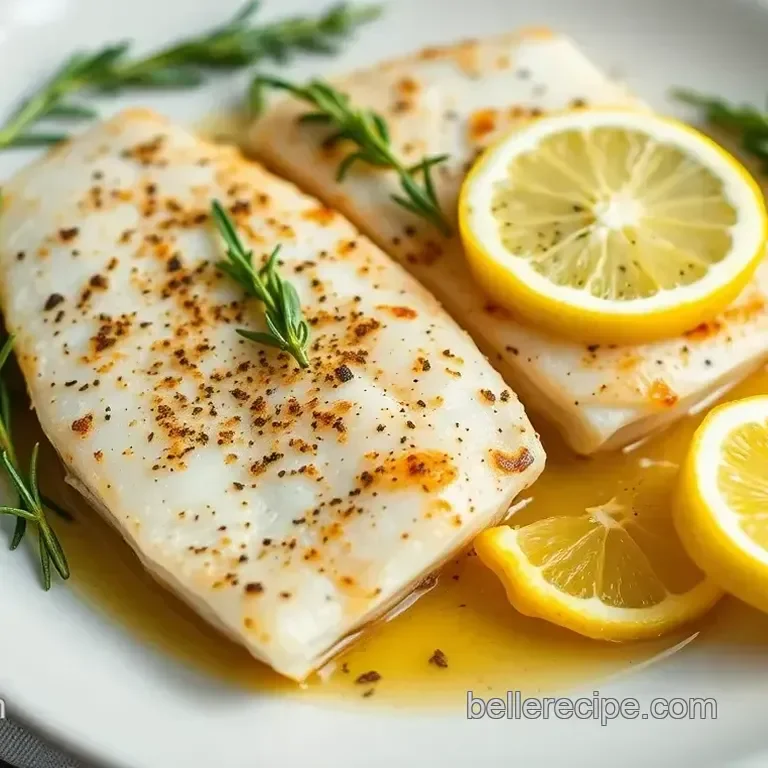
Corbina fillets are marinated with olive oil, lemon and garlic, then baked until tender and flaky. This bright, simple fish dinner is a good choice when you want coastal flavours without a complicated method.
Ingredients
- 4 fillets (about 170 g each [6 oz])corbina fillets
- 60 ml (4 tablespoons)olive oil
- 2organic lemons, zested and juiced
- 2 clovesgarlic, minced
- 5 g (1 teaspoon)salt
- ½ teaspoonblack pepper
- 30 g (2 tablespoons)fresh parsley, chopped
- to tastelemon wedges, for serving
- to tastefresh parsley, chopped
Instructions
- 1
Mix the marinade
In a mixing bowl, stir together the olive oil, lemon zest and juice, minced garlic, salt and pepper.
- 2
Marinate the fish
Add the corbina fillets and turn them so they are coated all over. Cover and refrigerate for 30 minutes.
- 3
Heat the oven
Preheat the oven to 190°C (375°F).
- 4
Bake the fillets
Arrange the marinated fillets in a baking dish and pour over any marinade left in the bowl. Bake for 20–25 minutes, until the fish flakes easily with a fork.
- 5
Garnish and serve
Take the fish out of the oven, garnish with fresh parsley and serve with lemon wedges.
What is baked corbina?
Corbina is a mild coastal fish that suits a straightforward bake, letting its delicate flavour stay in focus. This version pairs it with lemon, garlic and parsley for a fresh, savoury finish.
The method uses a short marinade before baking, so the fillets are coated with flavour without adding a separate sauce.
Nutrition and macros by portion
The nutrition label shows one serving as written: 250 calories, 25g protein, 2g carbs, 15g fat.
| Portion | Adjustment | kcal | Protein | Carbs | Fat |
|---|---|---|---|---|---|
| Lighter | Use less olive oil | 175 kcal | 18g | 1g | 11g |
| This serving | As written | 250 kcal | 25g | 2g | 15g |
| Hungry | Add potatoes or rice | 375 kcal | 38g | 3g | 23g |
The fish provides most of the protein, while the olive oil contributes most of the fat; the lemon and garlic add relatively little carbohydrate. Pair a serving with vegetables and a modest portion of potatoes or rice for a more balanced plate.
Why the lemon marinade works
Citrus: zest adds fragrant lemon oils, while the juice brings a sharper note. Use both as directed for a fuller lemon flavour.
Olive oil: it helps coat the fish and carries the garlic and seasoning across the fillets.
Marinating the fillets
Even coating: turn each fillet in the bowl so the marinade reaches its surfaces. Cover the dish before refrigerating for 30 minutes.
Keep the timing: the recipe uses a short refrigerated marinade; longer is not needed for this method.
How to tell when it is done
Flaking: check the thickest part with a fork. The fish is ready when it separates easily into flakes, as the recipe specifies.
Timing: bake at 190°C for 20–25 minutes, checking towards the earlier end of the range rather than relying on the clock alone.
Serving the fish
Fresh finish: parsley and lemon wedges go on at the end, keeping their flavour bright against the warm fish.
On the side: serve with potatoes, rice or bread to make the meal more substantial, or add a crisp green salad for contrast.
Choosing and handling the fish
Fillets: aim for four fillets of about 170 g each, as specified. Similar thickness helps them cook at a more even pace.
Before baking: arrange the fillets in a single layer in the baking dish and pour over the remaining marinade so they stay coated.
Recipe notes & tips
- Zest the lemons before juicing them, when the peel is easiest to handle.
- Use a baking dish that holds the fillets in a single layer.
- Keep the fish covered while it marinates in the refrigerator.
- Check the fillets at 20 minutes, as thickness can affect baking time.
- Add the parsley just before serving for a fresh finish.
Variations
- Add chilli: Include a little chilli with the garlic for gentle heat.
- Use another white fish: Swap in similarly sized mild white fish fillets and check for flaking as they bake.
- Add capers: Scatter a few over the fish before serving for a briny accent.
- Try fresh herbs: Replace some of the parsley with chopped dill for a different herbal note.
Common mistakes to avoid
- Crowding the dish: Overlapping fillets can cook unevenly; arrange them in a single layer.
- Skipping the coating: Turn the fillets in the marinade so the lemon and oil cover them evenly.
- Overbaking: Check at 20 minutes and remove the fish once it flakes easily.
- Using only lemon juice: Include the zest too, as the recipe uses both for its citrus flavour.
- Adding parsley too early: Garnish after baking to keep its fresh taste.
How to store
Refrigerate leftovers in a covered container and eat within 1–2 days. Reheat gently until hot throughout, taking care not to dry out the fish.
Frequently asked questions
Can I use a different fish?
Yes. Choose mild white fish fillets of similar size and thickness, and check them for easy flaking as they bake.
Can I marinate the fish for longer?
The method calls for 30 minutes in the refrigerator. Follow that timing, since the marinade contains lemon juice.
How do I know the corbina is cooked?
It should flake easily when tested with a fork at the thickest point. The recipe gives a baking window of 20–25 minutes.
Can I prepare the marinade ahead?
You can mix the olive oil, lemon, garlic, salt and pepper ahead of time and keep it covered in the refrigerator. Add the fish for the specified 30-minute marinating time.
What should I serve with baked corbina?
Try potatoes, rice or bread for a more filling meal, or serve it with a green salad or vegetables.
Cook it from the original
This recipe comes from bellerecipe.com. Their page has the author’s own photos, notes and tips — the best place to cook it from.
Open the recipe on bellerecipe.com