
Rice, pulse and vegetable minestrone
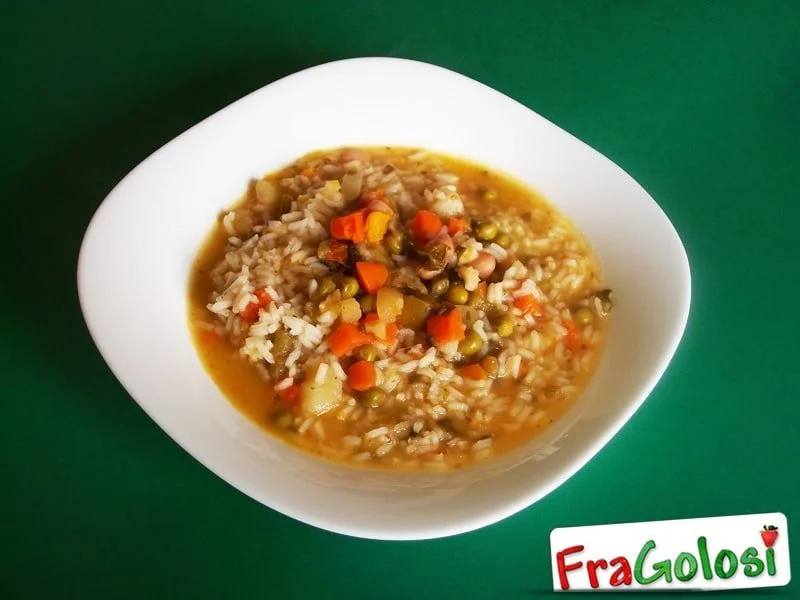
This Italian-style minestrone combines rice, pulses and a generous mix of vegetables in a hearty one-pot soup. It makes a filling meal, with the rice and pulses cooking together in the vegetable broth.
Ingredients
- 300 gsoup rice
- 80 glentils
- 80 gbeans
- 80 gbroad beans, soaked beforehand
- 1tomato
- 1/2onion
- 1 stalkcelery
- 1 smallwhite endive
- 200 gcauliflower florets
- 1fennel bulb
- 1–2potatoes
- to tasteextra-virgin olive oil
- to tastesalt
Instructions
- 1
Start the pulses
Put a handful each of the lentils, beans and broad beans into a pan of cold water.
- 2
Add aromatics
Add the tomato, cut into pieces, and the onion and celery, finely chopped.
- 3
Cook until tender
Cook until the pulses have softened.
- 4
Add vegetables
Halfway through cooking, add the well-washed vegetables: the white endive cut into strips, cauliflower florets, fennel and potatoes cut into small pieces.
- 5
Cook the vegetables
Continue cooking until the vegetables are nearly done.
- 6
Cook the rice
Season with salt, then add the rice and cook it in the minestrone.
- 7
Finish with oil
Just before turning off the heat, drizzle in a little olive oil.
What is rice, pulse and vegetable minestrone?
Minestrone is an Italian-style vegetable soup whose ingredients vary with the region and what is available. This version makes it especially substantial by bringing rice and several pulses together with a mix of vegetables.
The pulses lend body and savoury depth, while the rice cooks directly in the soup and absorbs some of its flavour. Adding the vegetables partway through helps keep them from cooking for the full time needed to soften the pulses.
Nutrition and macros by portion
The nutrition label shows one serving as written: 610 calories, 25g protein, 112g carbs, 7g fat.
| Portion | Adjustment | kcal | Protein | Carbs | Fat |
|---|---|---|---|---|---|
| Lighter | Use less rice and oil | 427 kcal | 18g | 78g | 5g |
| This serving | As written | 610 kcal | 25g | 112g | 7g |
| Hungry | Serve a larger bowl | 915 kcal | 38g | 168g | 11g |
Rice and pulses provide most of the carbohydrates, while the lentils, beans and broad beans contribute much of the protein. Olive oil supplies most of the fat, and the vegetables add fibre; serve with a side salad or extra greens for a balanced plate.
The pulses and their cooking
Pulses: the recipe specifies a handful each of lentils, beans and soaked broad beans at the start. Their cooking times can differ, so check that each type is soft before moving on to the rice.
Water: begin with cold water as directed, but the recipe does not specify a volume. Use enough to cover the pulses and keep an eye on the pan as it cooks, adding water if needed to maintain a soupy consistency.
Prepare the vegetables
Aromatics: chop the onion and celery finely and cut the tomato into pieces so they can disperse through the cooking liquid.
Vegetables: wash the white endive, cauliflower, fennel and potatoes well, then cut them as directed. Keeping the potato pieces small helps them cook alongside the other vegetables.
When to add the rice
Timing: add the vegetables halfway through the pulse cooking, then let them become nearly tender before adding the rice. This order gives the pulses a head start and helps avoid overcooking the rice.
Doneness: follow the rice packet guidance if available, and taste a grain to check it is tender. The soup should remain loose enough for the rice and vegetables to sit in broth.
Seasoning and finishing
Salt: season after the vegetables have had time to cook, then taste the broth again as the rice finishes. The pulses and vegetables absorb seasoning as they cook.
Olive oil: add a small drizzle just before taking the pan off the heat, as the method directs. It adds a finishing richness without being cooked for the full time.
Serving the minestrone
Serve it hot as a meal in itself, with enough broth in each bowl to surround the rice, pulses and vegetables. A little extra olive oil at the table is an optional finishing touch.
If serving it with something alongside, choose bread for dipping or a simple green salad. The soup is already filling, so keep accompaniments modest if you want it to remain the centre of the meal.
Recipe notes & tips
- Soak the broad beans beforehand, as specified in the ingredient list.
- Cut the potatoes into small, even pieces so they cook at a similar pace.
- Keep the vegetables well washed, especially the leaves of the white endive.
- Check the pulses for tenderness before adding the rice.
- Taste the broth before serving and adjust the salt if needed.
Variations
- Use seasonal vegetables: swap in vegetables of a similar cooking time while keeping the rice and pulses.
- Add herbs: stir in chopped parsley just before serving for a fresh finish.
- Change the rice: use another short-grain soup rice, adjusting its cooking time to the packet.
- Make it thicker: let the soup simmer a little longer, keeping an eye on the rice so it does not become too soft.
Common mistakes to avoid
- Adding rice too early: it may turn overly soft while the pulses cook; wait until the vegetables are nearly done.
- Using large potato pieces: they can take longer to soften; cut them into small pieces.
- Letting the pan run dry: the rice and pulses need liquid to cook; check the level during simmering and add water if required.
- Skipping the pulse check: cooking times vary; make sure the pulses are soft before moving on.
- Overcooking the rice: check it as it simmers and turn off the heat once it is tender.
How to store
Cool leftovers promptly and refrigerate in a covered container for up to 3 days. Reheat gently in a pan until piping hot, adding a splash of water if the rice has thickened the soup.
Frequently asked questions
Do the broad beans need soaking?
Yes. The ingredients specify broad beans that have been soaked beforehand.
How much water should I use?
The recipe does not give a measured amount. Start with enough cold water to cover the pulses, then add more during cooking if needed to keep the soup brothy.
Can I use cooked or tinned pulses?
The method is written for pulses that cook in the pan. Cooked pulses will need less time, so add them later and check that the vegetables and rice finish without becoming overcooked.
How do I know when the minestrone is ready?
The pulses should be soft, the vegetables tender and the rice cooked through. Taste each for doneness, as their cooking times may differ.
Can I make it ahead?
Yes, but the rice will continue to absorb broth as it stands. Add water when reheating to loosen the soup.
Cook it from the original
This recipe comes from fragolosi.it. Their page has the author’s own photos, notes and tips — the best place to cook it from.
Open the recipe on fragolosi.it