
Risotto with baby squid
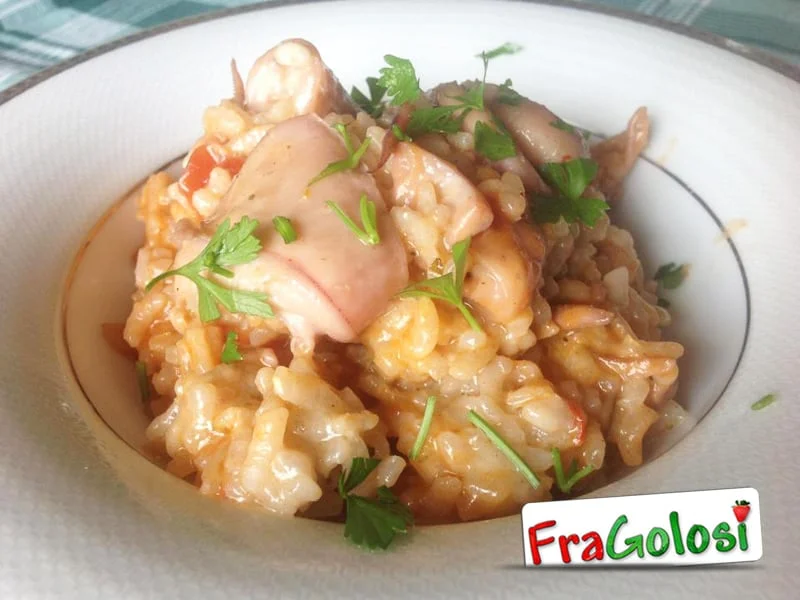
This Italian risotto combines Vialone Nano rice with tender baby squid, tomato, wine and parsley. It makes a savoury, seafood-forward meal for four, with optional olives for a briny finish.
Ingredients
- 350 gVialone Nano rice
- 500 gbaby squid
- 50 gchopped tomatoes
- 100 ggreen or black olives, as preferred (optional)
- ½ glass (about 100 ml)dry white wine
- 1 bunchchopped parsley
- 1 clovegarlic, peeled and left whole
- ½onion, chopped
- to tasteextra-virgin olive oil
- to tastesalt
- to tasteblack pepper
Instructions
- 1
Clean the squid
Clean the baby squid, removing the innards, eyes, hard beak, cartilaginous quill and skin.
- 2
Rinse and chop
Separate the tentacles and fins. Rinse the squid thoroughly, then cut it into small pieces.
- 3
Dry the pieces
Pat the squid dry with kitchen paper.
- 4
Cook the base
Heat 3 tablespoons of oil and gently fry the whole garlic clove, onion, a little chopped parsley, tomatoes and squid.
- 5
Toast the rice
Remove the garlic, add the rice and toast it. Turn up the heat and pour in the white wine to deglaze.
- 6
Add hot broth
Let the alcohol evaporate, then lower the heat and begin adding the rice a ladleful of boiling broth at a time.
- 7
Continue gradually
As the rice absorbs the broth, add another ladleful.
- 8
Stir frequently
Stir often with a wooden spoon to stop the rice sticking.
- 9
Season and finish
When the rice is cooked, adjust the salt and pepper, then stir in the chopped parsley and, if you like, the pitted olives cut into pieces.
- 10
Serve the risotto
Mix the risotto with baby squid and serve it piping hot.
What is risotto with baby squid?
Risotto is a northern Italian rice dish cooked by adding liquid gradually and stirring as the grains soften. This version pairs that method with small squid, tomato, white wine and parsley.
Vialone Nano is a short-grain rice suited to risotto because it releases starch as it cooks. The result should be creamy while the individual grains still hold their shape.
Nutrition and macros by portion
The nutrition label shows one serving as written: 485 calories, 25g protein, 71g carbs, 9g fat.
| Portion | Adjustment | kcal | Protein | Carbs | Fat |
|---|---|---|---|---|---|
| Lighter | Less oil, more vegetables | 340 kcal | 18g | 50g | 6g |
| This serving | As written | 485 kcal | 25g | 71g | 9g |
| Hungry | Larger rice portion | 728 kcal | 38g | 107g | 14g |
Most of the carbohydrates come from the rice; the squid contributes protein, while olive oil and any olives add fat. Pair a serving with vegetables or salad for a more balanced plate.
Preparing the squid
Cleaning: Remove the innards, eyes, beak, quill and skin, then separate the tentacles and fins as directed. Rinse well and cut the pieces small so they cook evenly with the rice.
Drying: Pat the squid dry before frying. This helps avoid adding excess water to the base.
Building the flavour
Aromatics: The onion, garlic and parsley start the savoury base; the garlic is removed before the rice goes in, leaving its flavour behind.
Tomato and wine: The chopped tomatoes add a little colour and savouriness. White wine deglazes the pan after the rice is toasted, so let its alcohol evaporate before adding broth.
Adding the broth
Ladle by ladle: Add boiling broth a ladleful at a time, waiting for the rice to absorb most of it before adding more. Keep the rice moving with frequent stirring to help it cook evenly and prevent sticking.
Heat: Lower the heat once the wine has evaporated. A steady, gentle simmer gives you more control over how quickly the rice absorbs the liquid.
Knowing when it is ready
Doneness: Taste the rice as it cooks. It should be tender but still have a slight bite, rather than soft and mushy.
Consistency: The finished risotto should be moist and able to settle softly on the plate. Add the final parsley and optional olives after seasoning.
Serving suggestions
Serve the risotto straight away while it is hot and creamy. A simple green salad or cooked seasonal vegetables make a fresh accompaniment.
If using olives, choose green or black ones according to preference, and pit and chop them before stirring them in at the end.
Recipe notes & tips
- Keep the broth boiling so each addition does not cool the rice.
- Cut the squid into similarly sized small pieces for more even cooking.
- Stir frequently, especially as the risotto thickens towards the end.
- Taste the rice near the end of cooking to check its texture before seasoning.
- Pit and chop the optional olives before adding them to the finished risotto.
Variations
- Briny finish: Add the optional pitted olives for a salty, savoury note.
- More parsley: Stir in extra chopped parsley at the end for a fresher finish.
- Tomato-forward: Increase the chopped tomato for a more pronounced tomato flavour.
- Peppery finish: Add a little extra black pepper just before serving.
- Wine choice: Use a dry white wine with a clean flavour so it complements rather than overwhelms the squid.
Common mistakes to avoid
- Wet squid: Pat it dry before frying so it does not release excess water into the pan.
- Adding cool broth: Keep the broth boiling as you ladle it in to maintain a steady cook.
- Pouring in all the broth at once: Add it gradually so you can judge how much the rice needs.
- Leaving the rice unstirred: Stir often with a wooden spoon to help prevent sticking.
- Overcooking the rice: Taste as it cooks and stop when the grains are tender with a slight bite.
How to store
Refrigerate leftovers in a covered container for up to 2 days. Reheat gently in a pan with a splash of water or broth, stirring until hot; the texture will be less creamy than when freshly made.
Frequently asked questions
Can I use another rice instead of Vialone Nano?
Yes. Choose another short-grain risotto rice, such as Arborio or Carnaroli, and cook it with the same gradual addition of broth.
Do I have to add the olives?
No. They are optional; leave them out for a cleaner squid-and-tomato flavour.
How do I know when the squid is cooked?
The method cooks it with the risotto, so cut it into small pieces and check a piece as the rice approaches doneness. It should be cooked through and tender.
Why add the broth a ladleful at a time?
Gradual additions let the rice absorb liquid as it cooks and help you control the final consistency.
Can I prepare this risotto ahead?
It is best served as soon as it is cooked, while the texture is at its creamiest. You can clean and chop the squid and prepare the other ingredients beforehand.
Cook it from the original
This recipe comes from fragolosi.it. Their page has the author’s own photos, notes and tips — the best place to cook it from.
Open the recipe on fragolosi.it