
Lemon cake
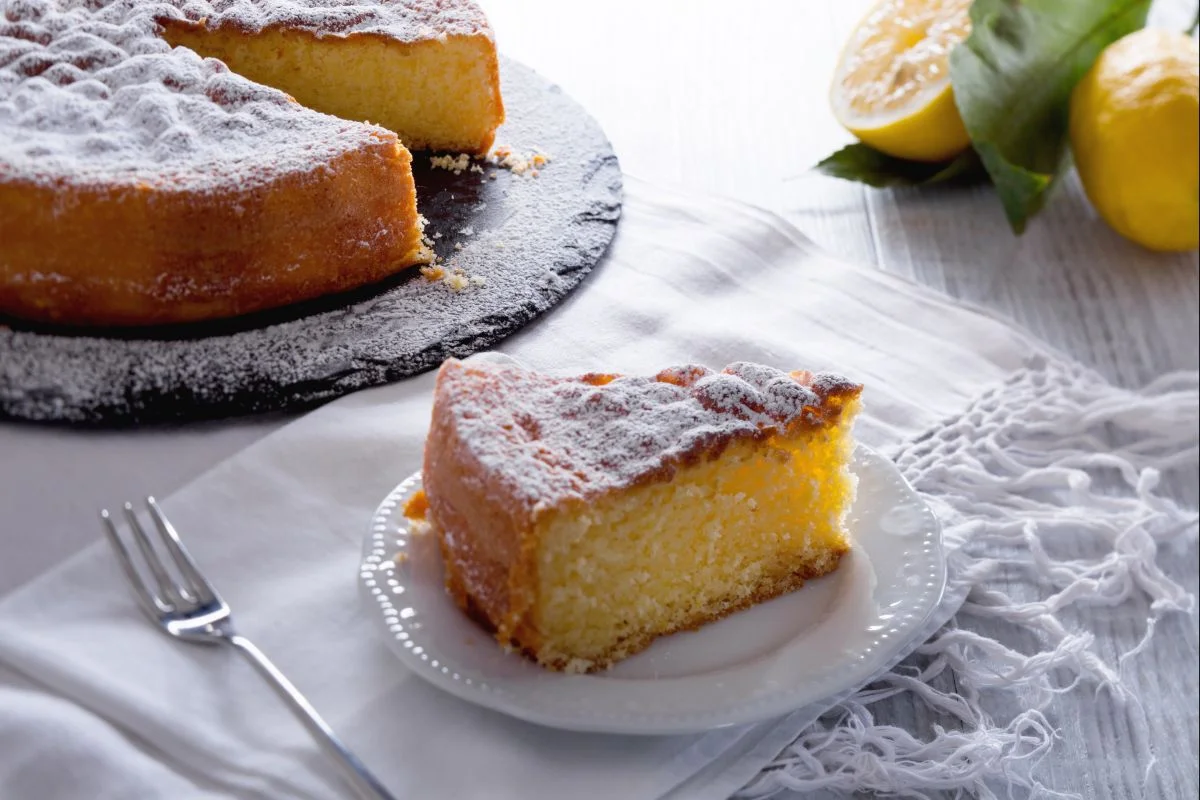
A tall, soft lemon cake with a light crumb and a bright citrus flavour. Serve it with afternoon tea or at breakfast, or split and fill it once completely cool.
Ingredients
- 120 gcornflour
- 120 gplain flour
- 250 gbutter, softened at room temperature
- 250 ggranulated sugar
- 4medium eggs
- 16 gbaking powder
- 75 glemon juice
- 2lemons, finely grated zest
- as neededicing sugar
Instructions
- 1
Cream the butter
Cut the softened butter into cubes and beat it with half the sugar until smooth and fluffy. Separate the eggs, then add the yolks one at a time, letting each become incorporated before adding the next. Mix in the zest of both lemons.
- 2
Combine the dry ingredients
Sift the plain flour, cornflour and baking powder together. With the mixer running, add the dry mixture to the butter mixture a spoonful at a time. Once combined, switch off the mixer and transfer the batter to a bowl.
- 3
Whisk the egg whites
Clean the mixer thoroughly, then whisk the egg whites. Add the remaining sugar and pour in the lemon juice in a thin stream, continuing to whisk until dense and foamy.
- 4
Fold the mixtures
Stir two ladlefuls of whipped egg whites into the reserved batter to loosen it. Add the rest and fold gently from the bottom upwards with a spatula, keeping as much air in the mixture as possible. Transfer to a 22–24 cm round tin lined with baking paper and level the surface.
- 5
Bake and cool
Bake in a preheated conventional oven at 180°C for 1 hour. If the cake is browning too much, after about 40 minutes open the oven and cover it with a sheet of foil, then continue baking. Check for doneness with a skewer, remove the cake from the oven and let it cool slightly in the tin. Transfer it to a serving plate, leave it to cool completely, then dust with icing sugar.
What is lemon cake?
Lemon cake is a sweet, tender bake flavoured with lemon zest and juice, often served with tea or coffee. This recipe uses a butter-based batter and whipped egg whites for a tall, soft result.
The recipe does not specify a particular regional origin; its method is a familiar style of home baking. The combination of cornflour, plain flour and carefully folded egg whites helps keep the crumb delicate.
Nutrition and macros by portion
The nutrition label shows one serving as written: 538 calories, 0g protein, 65g carbs, 29g fat.
| Portion | Adjustment | kcal | Protein | Carbs | Fat |
|---|---|---|---|---|---|
| Lighter | Serve a smaller slice | 377 kcal | 0g | 45g | 20g |
| This serving | As written | 538 kcal | 0g | 65g | 29g |
| Hungry | Take a larger slice | 807 kcal | 0g | 97g | 43g |
The flour, cornflour and sugar provide most of the carbohydrate, while butter and egg yolks account for much of the fat. Eggs contribute some protein, though the supplied nutrition figures list none per serving. Pair a slice with fruit or plain yoghurt for a more balanced plate.
Why use two flours?
Cornflour: paired with plain flour, it helps give the cake a fine, soft texture. Sift both with the baking powder so they are evenly distributed.
Baking powder: this provides additional lift alongside the air incorporated into the whipped egg whites. Measure it accurately and avoid leaving it out.
Build the butter base
Soft butter: it should give slightly when pressed, but not look melted or oily. Beat it with half the sugar until the mixture is smooth and fluffy.
Egg yolks: add them one at a time and wait for each to blend in before adding another. This helps the butter mixture stay cohesive.
Whip and fold carefully
Clean equipment: even traces of butter can make it harder to whip the whites, so clean and dry the whisk and bowl before using them.
Gentle folding: first mix in two ladlefuls of whites to loosen the batter, then fold in the rest from the bottom upwards. Stop when no large streaks remain rather than continuing to stir.
Check the bake
Oven: bake at 180°C in a preheated conventional oven for about 1 hour. If the top darkens too much after around 40 minutes, cover it with foil and continue baking.
Doneness: insert a skewer into the cake; it should come out without wet batter. Let the cake settle in its tin before moving it, as the warm crumb is delicate.
Serving and filling
Icing sugar: dust it over the cake only after it has cooled completely, so the sugar stays visible rather than melting into the surface.
To fill: wait until the cake is completely cool before slicing it horizontally. Serve with tea, coffee or fruit; the recipe itself does not include a filling.
Recipe notes & tips
- Bring the butter to room temperature before beating so it creams smoothly.
- Add the yolks individually and let each blend in before continuing.
- Use a completely clean whisk and bowl for the egg whites.
- Fold the whites gently to retain the air that helps the cake rise.
- If the top browns too quickly, cover it with foil after about 40 minutes.
- Cool the cake fully before dusting with icing sugar or slicing it to fill.
Variations
- More lemon: add extra zest for a stronger citrus aroma.
- Citrus mix: replace some of the lemon zest with orange zest.
- Simple glaze: drizzle a lemon icing over the cooled cake instead of dusting with icing sugar.
- Filled cake: once cool, slice horizontally and spread with your chosen filling.
- Berry pairing: serve each slice with fresh berries for a fruity accompaniment.
Common mistakes to avoid
- Cold butter: it will not cream as readily; soften it at room temperature before starting.
- Adding yolks too quickly: the mixture may struggle to combine; add them one at a time.
- Greasy whisk or bowl: the whites may not whip well; clean and dry the equipment thoroughly.
- Rough folding: vigorous mixing can knock air out; fold gently from the bottom upwards.
- Opening the oven early: the cake may lose some lift; check or cover it only after about 40 minutes.
- Moving it while hot: the soft cake can break; cool it slightly in the tin before transferring.
How to store
Once completely cool, keep the cake covered in an airtight container at room temperature for up to 3 days. If it has been filled with a perishable filling, refrigerate it and follow the filling's storage guidance. Serve at room temperature, or warm a slice briefly if desired.
Frequently asked questions
What size tin should I use?
Use a round tin 22–24 cm in diameter, lined with baking paper.
Can I use a hand mixer?
Yes. The method allows for an electric hand mixer as an alternative to a stand mixer with a whisk attachment.
How can I tell when the cake is done?
Insert a skewer into the centre; it should come out without wet batter. The recipe gives a baking time of 1 hour, but use the skewer check as well.
Why are the egg whites folded in?
They add air to the batter, helping give the cake its light, soft texture. Fold gently so you do not lose too much of that air.
Can I fill the cake?
Yes. Let it cool completely before slicing it horizontally and adding a filling of your choice.
Can I cover the cake if it browns too quickly?
Yes. If it is becoming too dark after about 40 minutes, cover it with a sheet of foil and continue baking.
Cook it from the original
This recipe comes from giallozafferano.es. Their page has the author’s own photos, notes and tips — the best place to cook it from.
Open the recipe on giallozafferano.es