
Sambal Sardines
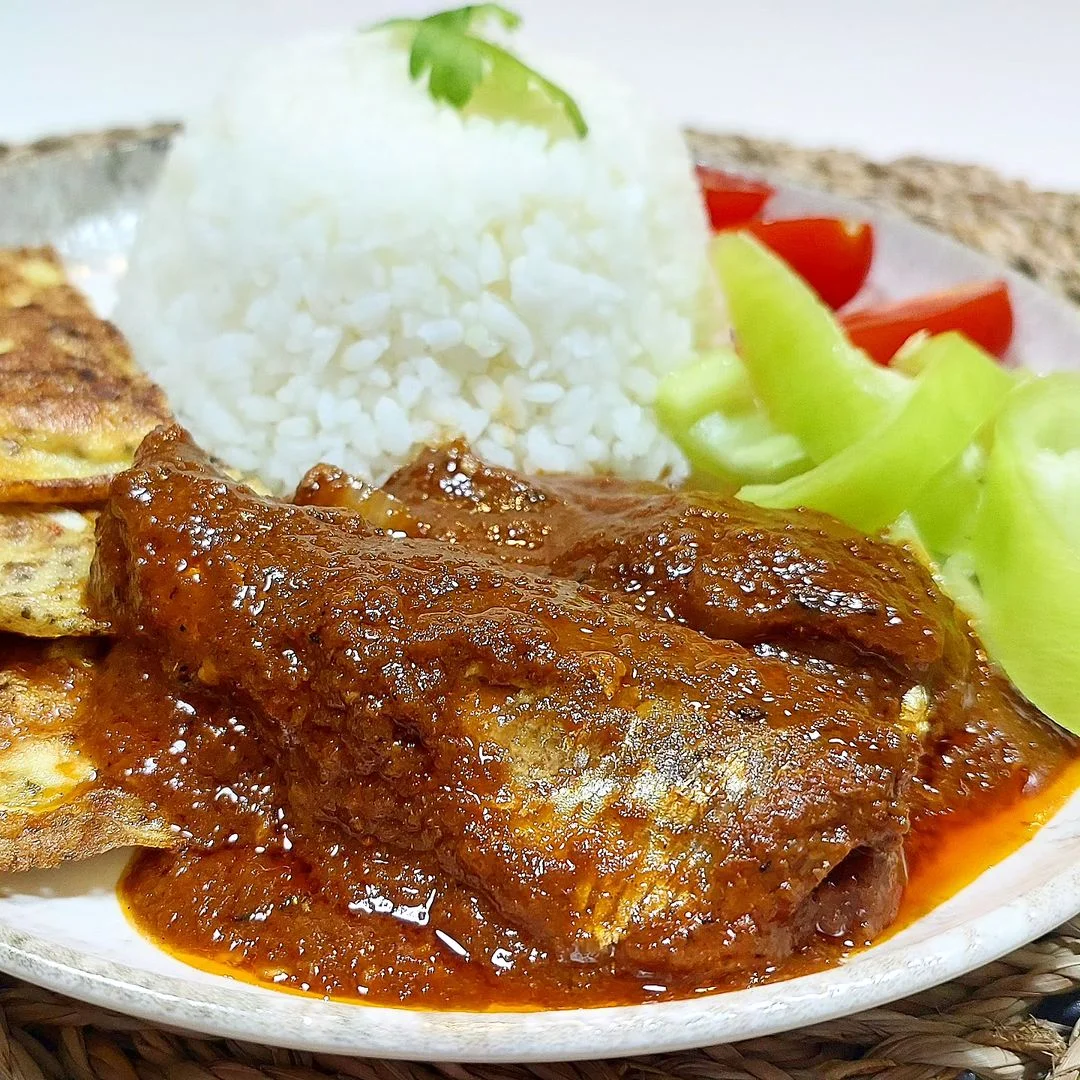
Sambal sardines are tinned sardines warmed in a spicy, tangy chilli and onion sauce. This quick pan-cooked dish makes a flavourful centrepiece for a meal with rice or another carbohydrate, eggs and fresh vegetables.
Ingredients
- 1 cansardines in tomato sauce, fish and sauce separated
- 30 ml (2 tbsp)oil
- 60 ml (4 tbsp)chilli paste, made from rehydrated dried chillies blended with a little water
- 30 ml (2 tbsp)onion paste
- 3 clovesgarlic, thinly sliced
- 2.5 cm (1 inch)ginger, thinly sliced
- 150 g (1 cup)onion, thinly sliced
- 120 ml (1/2 cup) tamarind juice or 15 ml (1 tbsp) tamarind pulptamarind
- 1.25 ml (1/4 tsp)salt
- 1.25 ml (1/4 tsp)ground black pepper
Instructions
- 1
Heat the oil
Warm the oil in a pan over medium-high heat.
- 2
Cook the pastes
Once the oil is hot, add the chilli paste, onion paste, garlic and ginger. Stir well and sauté for 15 minutes, until oil separates from the mixture.
- 3
Add the sauce
Pour in the tomato sauce from the sardines, then add the sliced onion and tamarind. Stir and cook for 5 minutes.
- 4
Season the sauce
Stir in the salt and pepper, then add the sardines.
- 5
Finish cooking
Cook for 2 minutes, then taste and adjust the seasoning.
- 6
Serve the sardines
Serve with a carbohydrate of your choice, eggs cooked as you like for extra protein, and fresh vegetables.
What are sambal sardines?
Sambal sardines pair tinned fish with a chilli-based sauce, a style of home cooking found across parts of Southeast Asia. Sambal refers broadly to a spicy chilli condiment or paste, with recipes varying from kitchen to kitchen.
Here, tomato sauce from the tin joins onion and tamarind for a savoury, tangy base. Using tinned sardines keeps the preparation straightforward, while the fish is added near the end so it needs only a short time in the pan.
Nutrition and macros by portion
The nutrition label shows one serving as written: 155 calories, 10g protein, 9g carbs, 10g fat.
| Portion | Adjustment | kcal | Protein | Carbs | Fat |
|---|---|---|---|---|---|
| Lighter | Use less oil | 109 kcal | 7g | 6g | 7g |
| This serving | As written | 155 kcal | 10g | 9g | 10g |
| Hungry | Add more rice | 233 kcal | 15g | 14g | 15g |
The sardines provide most of the protein, while the oil contributes much of the fat and the onion and chilli paste contribute some carbohydrate. Serve with a generous portion of fresh vegetables and choose a carbohydrate portion to suit your meal.
The pastes and aromatics
Chilli paste: the recipe uses rehydrated dried chillies blended with a little water. Its heat can vary with the chillies, so taste the finished sauce before serving rather than assuming every paste is equally hot.
Garlic and ginger: thin slices release their flavour as they cook with the pastes. Keep stirring so the mixture cooks evenly during its long sauté.
Why cook the paste slowly?
Oil separation: the method gives the chilli and onion pastes 15 minutes in the pan, until oil separates from the mixture. This is the key visual cue to look for before adding the other sauce ingredients.
Steady heat: medium-high heat is specified, but reduce it if the paste catches or darkens too quickly. Stirring regularly helps it cook through without scorching.
Getting the tang right
Tamarind: juice or pulp gives the sauce its tart note. If using pulp, follow the stated amount and make sure it is incorporated evenly.
Tomato sauce: add the liquid from the sardine tin along with the sliced onion and tamarind, then cook this mixture for 5 minutes. The brief simmer brings the flavours together before the fish goes in.
Keep the sardines intact
Fish: sardines are already cooked in the tin, so they only need 2 minutes in the sauce. Stir gently after adding them to help keep the pieces from breaking up.
Seasoning: salt and pepper go in just before the fish, and the recipe calls for a final taste. Check the balance then, as the tinned sauce and tamarind both contribute flavour.
Build a balanced serving
Carbohydrate: serve the sardines with a carbohydrate of your choice, as suggested in the recipe. Rice is a natural option, but another staple can work just as well.
Extras: add eggs cooked as desired and fresh vegetables. The eggs add protein, while vegetables bring freshness alongside the rich, spicy sauce.
Recipe notes & tips
- Slice the garlic, ginger and onion before heating the oil so they are ready to add.
- Stir the chilli and onion pastes regularly during their 15-minute sauté.
- Use the oil separating from the paste as the cue to move on to the next ingredients.
- Add the sardines gently and avoid vigorous stirring to keep them in larger pieces.
- Taste the sauce after the 2-minute finish and adjust the seasoning if needed.
Variations
- Adjust the heat: use less chilli paste for a milder sauce.
- Choose the tamarind: use tamarind juice or the stated amount of tamarind pulp.
- Change the staple: serve with a carbohydrate of your choice.
- Add eggs: serve with eggs cooked to your preference for extra protein.
- Add vegetables: include fresh vegetables on the side for contrast.
Common mistakes to avoid
- Scorching the paste: stir regularly and lower the heat if it darkens too quickly.
- Rushing the sauté: cook the pastes for the full 15 minutes, until oil separates.
- Adding the fish too soon: wait until the sauce and onions have cooked for 5 minutes.
- Breaking up the sardines: add them gently and stir with care.
- Skipping the final taste: check the seasoning after the fish has cooked for 2 minutes.
How to store
Cool leftovers promptly, store them in a covered container in the fridge and eat within 2 days. Reheat gently in a pan until hot throughout, stirring carefully so the sardines remain in pieces.
Frequently asked questions
Can I use tamarind pulp instead of tamarind juice?
Yes. The recipe gives 1 tablespoon of tamarind pulp as an alternative to 1/2 cup of tamarind juice.
How spicy will this be?
The heat depends on the dried chillies used to make the paste. Use less chilli paste if you prefer a milder result.
When should I add the sardines?
Add them after the tomato sauce, onion and tamarind have cooked for 5 minutes. They need just 2 more minutes in the pan.
What should I serve with sambal sardines?
The recipe suggests a carbohydrate of your choice, eggs cooked as desired and fresh vegetables. Rice is one possible carbohydrate.
Can I prepare the sauce ahead?
You can cook the sauce through the stage before adding the sardines, then reheat it and finish with the fish. Add the sardines only for the final 2 minutes of cooking.
Cook it from the original
This recipe comes from fooooods.com. Their page has the author’s own photos, notes and tips — the best place to cook it from.
Open the recipe on fooooods.com