
Escalopes
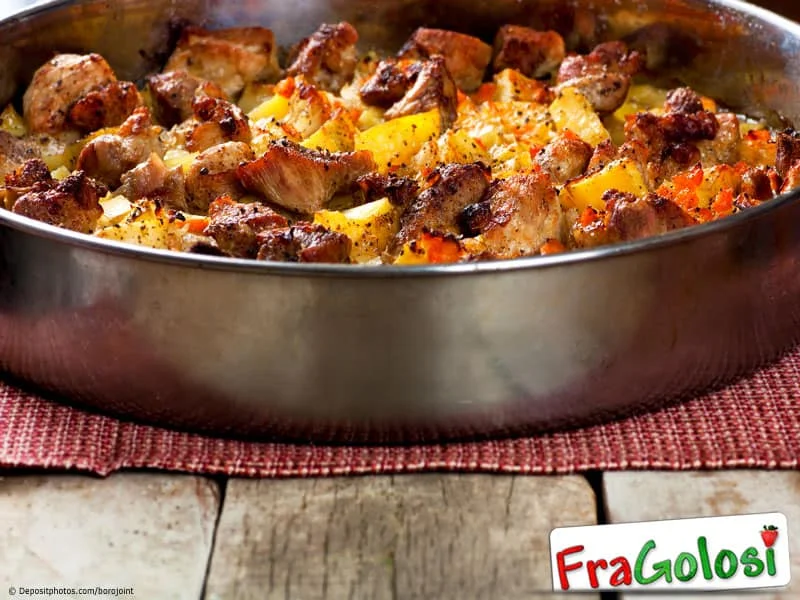
These Italian-style pork escalopes cook in a covered pan with layers of onion, tomatoes and potatoes. The hands-off method lets the ingredients simmer together until the pork is tender and the potatoes are cooked through.
Ingredients
- 800 gpork escalopes, fairly thick
- 1onion
- 500 gpotatoes
- 200 gchopped peeled tomatoes
- 1 pinchdried oregano
- to tastebreadcrumbs
- to tasteextra-virgin olive oil
- to tastesalt
- to tasteblack pepper
Instructions
- 1
Add the oil
Pour a little olive oil into a frying pan.
- 2
Build the layers
Arrange a layer of finely sliced onion, chopped peeled tomatoes, potatoes cut into fairly small pieces, pork, salt and pepper in the pan.
- 3
Add seasoning
Scatter over a little oregano and some breadcrumbs.
- 4
Repeat the layers
Start again with onion and continue layering until all the ingredients have been used.
- 5
Simmer until cooked
Add water, then cook the escalopes over a low heat with the pan covered for about 30 minutes.
- 6
Serve hot
Serve the escalopes while hot.
What are Italian escalopes?
Escalopes are thin cuts of meat, commonly pork or veal, cooked as a simple main course in Italian home cooking. This version is more of a layered pan supper than a quickly fried cutlet: the meat cooks with potatoes, onion and tomatoes.
The ingredients are stacked rather than stirred, then simmered gently under a lid. That keeps the method straightforward and gives the vegetables time to soften alongside the pork.
Nutrition and macros by portion
The nutrition label shows one serving as written: 520 calories, 40g protein, 29g carbs, 22g fat.
| Portion | Adjustment | kcal | Protein | Carbs | Fat |
|---|---|---|---|---|---|
| Lighter | Use less oil | 364 kcal | 28g | 20g | 15g |
| This serving | As written | 520 kcal | 40g | 29g | 22g |
| Hungry | Serve a larger portion | 780 kcal | 60g | 44g | 33g |
Pork provides most of the protein and some of the fat, while potatoes contribute most of the carbohydrates; the olive oil also adds fat. The exact balance depends on how much oil, breadcrumbs and salt you use. Serve with green vegetables or salad to add a fresh side to the potato-and-pork dish.
The ingredients that shape the dish
Pork: Fairly thick escalopes suit the covered simmer, which is longer than a quick pan-fry. Keep the pieces similar in thickness so they cook at a similar pace.
Potatoes and tomatoes: Cut the potatoes into fairly small pieces so they have a chance to cook through in about 30 minutes. Chopped peeled tomatoes provide moisture and a savoury, gently acidic layer.
Breadcrumbs: A little breadcrumb is layered with the other ingredients. It can help make the cooking liquid more substantial as it simmers.
Layer without stirring
The method relies on arranging the ingredients in repeated layers and leaving them undisturbed. Add the water after building the layers, then cover the pan so the contents cook gently in the trapped steam.
Use a pan with a lid that fits well, and keep the heat low. Stirring is not part of this method; if you need to check the base, lift the lid briefly and look for a gentle simmer.
Check for doneness
Potatoes: They should be tender when pierced with a knife or fork. Small, even pieces help them cook within the stated time.
Pork: Check the thickest piece is cooked through before serving. The recipe gives about 30 minutes, but the exact time can vary with the thickness of the escalopes and the pan.
Keep the simmer gentle
Once the pan is covered, use low heat for the approximately 30-minute cooking period. A vigorous boil can break up the layers and make the bottom more likely to catch.
The recipe does not specify a quantity of water, so add enough to support a gentle simmer without flooding the ingredients. Keep the lid on while cooking, checking only if needed.
What to serve alongside
The potatoes make this a substantial main course, and the tomato and onion layers bring moisture and flavour. Serve it hot, spooning some of the softened vegetables and cooking juices onto each plate.
For a fresher contrast, add a simple green salad or steamed green vegetables. Choose a modest side if you want the potatoes to remain the main accompaniment.
Recipe notes & tips
- Slice the onion finely so it softens evenly between the other layers.
- Cut the potatoes into similarly sized, fairly small pieces to help them cook through.
- Keep the heat low once the covered pan begins simmering.
- Use a lid that fits the pan well to retain steam during cooking.
- Check a thick piece of pork and a potato before serving, as their thickness affects cooking time.
Variations
- Fresh herbs: Add a little chopped parsley when serving for a fresh finish.
- More vegetables: Layer in sliced courgette alongside the potatoes.
- Garlic: Add a thinly sliced clove with the onion for a more aromatic pan.
- Peppery finish: Add extra black pepper at the table.
- Cheesy top: Sprinkle a little grated hard cheese over each serving just before eating.
Common mistakes to avoid
- Large potato pieces: They may stay firm after the pork is cooked; cut them fairly small and evenly.
- High heat: The base can catch before the potatoes soften; keep the pan at a gentle simmer.
- Loose lid: Too much steam escapes; use a well-fitting lid during cooking.
- Stirring the layers: It disrupts the recipe's arrangement; leave the pan undisturbed as it simmers.
- Assuming the time guarantees doneness: Thick pieces may need longer; check the pork and potatoes before serving.
How to store
Cool leftovers promptly and keep them in a covered container in the fridge for up to 2 days. Reheat thoroughly in a covered pan over a low heat, adding a splash of water if the sauce has thickened.
Frequently asked questions
Can I use thinner pork escalopes?
The recipe calls for fairly thick pieces, which are better suited to a 30-minute simmer. If using thinner escalopes, check them earlier so they do not overcook.
How much water should I add?
The recipe does not give a precise amount. Add enough to help the ingredients simmer gently under the lid, without covering the layers completely.
Do I need to stir the pan?
No. The ingredients are arranged in layers and cooked without stirring. Keep the heat low and the lid on.
How do I know when the potatoes are done?
Pierce a piece with a knife or fork; it should be tender all the way through. Smaller, evenly cut pieces are more likely to cook in the stated time.
Can I prepare the dish ahead?
It is best served freshly cooked, but leftovers can be refrigerated and reheated thoroughly. The potatoes may soften further after storage.
Cook it from the original
This recipe comes from fragolosi.it. Their page has the author’s own photos, notes and tips — the best place to cook it from.
Open the recipe on fragolosi.it