
Sole fillets in white wine
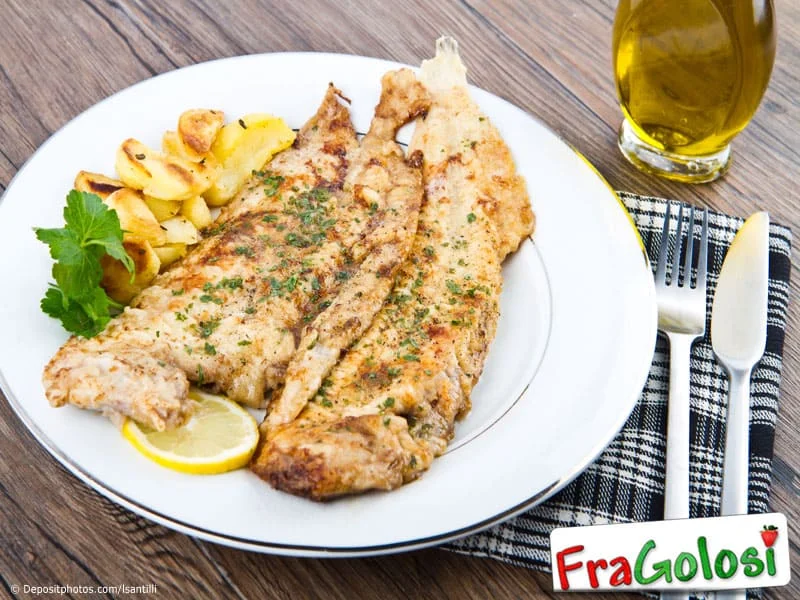
These Italian-style sole fillets are baked with white wine, butter, onion and herbs. The method is straightforward, and the wine and cooking juices make a simple sauce to spoon over the tender fish.
Ingredients
- 8sole fillets, fresh or frozen
- 60 gbutter
- 1 smallonion
- 1 bunchparsley
- 1 sprigthyme
- 1/4 leafbay leaf
- 125 ml (1 glass)dry white wine
- to tastesalt
- to tasteblack pepper
Instructions
- 1
Arrange the fish
Grease an ovenproof dish with some of the butter. Scatter the finely chopped onion over the base and lay the sole fillets on top.
- 2
Season and garnish
Season the fish with salt and pepper. Drizzle over melted butter, then sprinkle with the chopped parsley, bay leaf and thyme.
- 3
Add the wine
Pour in the white wine. Wet a sheet of baking parchment, wring it out, grease it with butter and use it to cover the dish.
- 4
Bake the fish
Put the dish in a moderately cool oven and cook for 30 minutes.
- 5
Serve with juices
When cooked, transfer the sole fillets to a serving dish and spoon their cooking juices over them.
What are sole fillets in white wine?
This is a simple Italian-style baked fish dish: mild sole is cooked with white wine, butter, onion and aromatic herbs. Its appeal is the combination of delicate fish and a light, savoury cooking liquor.
The recipe relies on a short ingredient list rather than a complicated sauce. Covering the dish as it cooks helps keep the fish moist and lets the herbs flavour the juices.
Nutrition and macros by portion
The nutrition label shows one serving as written: 250 calories, 27g protein, 3g carbs, 14g fat.
| Portion | Adjustment | kcal | Protein | Carbs | Fat |
|---|---|---|---|---|---|
| Lighter | Use less butter | 175 kcal | 19g | 2g | 10g |
| This serving | As written | 250 kcal | 27g | 3g | 14g |
| Hungry | Add potatoes or rice | 375 kcal | 41g | 5g | 21g |
Most of the protein comes from the sole, while the butter supplies most of the fat and saturated fat. The wine and onion contribute a small amount of carbohydrate; serve with vegetables and a moderate portion of potatoes or rice for a more complete plate.
Choosing the fish and wine
Sole: Fresh fillets should smell clean and feel moist, not slimy. If using frozen fillets, thaw them fully and pat them dry so excess water does not dilute the cooking juices.
Wine: Choose a dry white wine that you would be happy to drink. A dry style gives the fish fragrance without making the sauce noticeably sweet.
Butter, onion and herbs
Onion: Chop it finely so it softens beneath the fish during baking. A small onion gives flavour without overwhelming the mild sole.
Herbs: Parsley, thyme and bay bring a gentle savoury aroma. Chop the parsley and thyme finely; use the small quantity of bay specified, as its flavour can become prominent.
Keeping the fish moist
Covering: The recipe uses damp, wrung-out, buttered baking parchment rather than an uncovered bake. Lay it over the dish to help limit moisture loss while the fish cooks.
Doneness: Sole is delicate, so check towards the end of the 30 minutes. It should look opaque and separate easily into flakes; avoid leaving it in the oven longer than needed.
Understanding the oven timing
The method calls for a moderately cool oven but does not give a temperature. Because ovens vary, use the visual cues for doneness as well as the stated 30-minute cooking time.
Fillet thickness and whether the fish starts chilled or at room temperature can affect how quickly it cooks. If the fillets are thin, begin checking before the full time has passed.
Serving the cooking juices
Spoon the buttery wine juices over the fish when transferring it to a serving dish. They carry the onion and herb flavour and help keep each portion moist.
Serve with boiled or mashed potatoes, rice, or bread to make use of the sauce. A green salad or simply cooked vegetables provide a fresh contrast.
Recipe notes & tips
- If using frozen sole, thaw it in the fridge and pat it dry before arranging it in the dish.
- Chop the onion finely so it softens evenly beneath the fillets.
- Melt the butter gently and distribute it over the fish rather than pouring it in one spot.
- Wet and wring out the baking parchment well before greasing and placing it over the dish.
- Check the fillets early if they are especially thin, since sole can overcook quickly.
- Serve the cooking juices promptly so they do not collect and cool in the baking dish.
Variations
- Lemon finish: Add a squeeze of lemon at the table to brighten the buttery juices.
- Extra parsley: Scatter a little more chopped parsley over the fish just before serving.
- Shallot swap: Use a finely chopped shallot in place of the small onion for a milder base.
- Herb change: Replace the thyme with a small amount of finely chopped chives for a different herbal note.
- More sauce: Serve with extra bread or boiled potatoes to soak up the wine and butter juices.
Common mistakes to avoid
- Wet fish: Pat thawed fillets dry so they do not release excess water into the dish.
- Too much bay: Keep to the stated quarter leaf, since bay can dominate delicate fish.
- Drying out: Check thin fillets before 30 minutes and take them out once opaque and flaky.
- Uncovered baking: Use the damp, buttered parchment cover to help retain moisture.
- Overseasoning: Add salt sparingly at first, then taste the cooking juices before serving.
How to store
Refrigerate leftovers in a covered container within two hours and eat within 1–2 days. Reheat gently, covered, in a low oven or in short bursts in the microwave, just until hot; the fish can dry out if reheated for too long.
Frequently asked questions
Can I use frozen sole fillets?
Yes. Thaw them completely in the fridge and pat them dry before cooking. This helps keep excess water from thinning the sauce.
What temperature should the oven be?
The recipe describes a moderately cool oven but does not specify a temperature. Follow the 30-minute guidance while checking the fish for opacity and easy flaking, especially if the fillets are thin.
How can I tell when the sole is cooked?
The flesh should be opaque and separate into flakes when gently tested. Start checking before 30 minutes if the fillets are thin.
Can I prepare the dish ahead?
You can chop the onion and herbs ahead, but it is best to assemble and bake the fish shortly before serving. Sole is delicate and can lose moisture if cooked and reheated.
What should I serve with it?
Boiled potatoes, rice or bread all work well with the buttery wine juices. Add a green salad or simply cooked vegetables alongside.
Can I leave out the wine?
The wine is part of the recipe's cooking liquid and flavour. For a no-alcohol version, replace it with fish stock, though the result will taste different.
Cook it from the original
This recipe comes from fragolosi.it. Their page has the author’s own photos, notes and tips — the best place to cook it from.
Open the recipe on fragolosi.it