
Fisherman’s risotto
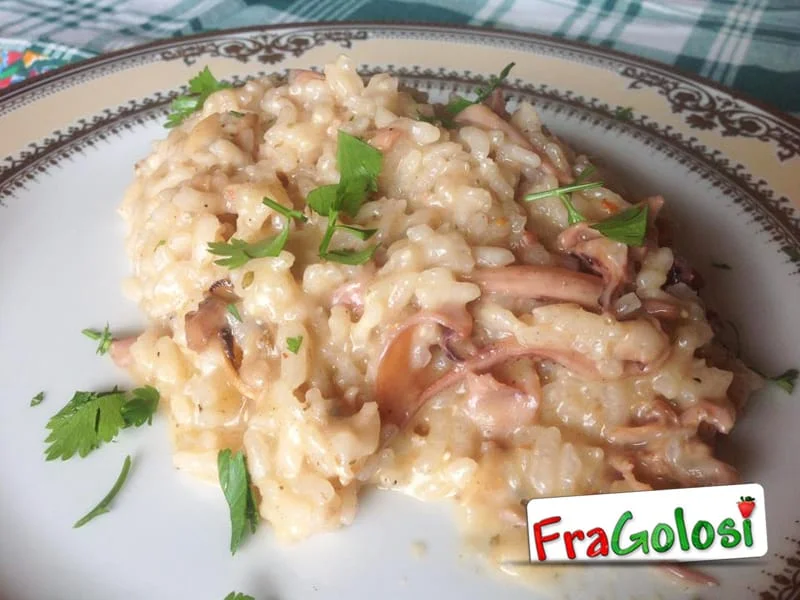
Fisherman’s risotto is an Italian seafood rice dish cooked slowly with stock, mussels, clams, squid and prawns. It makes a generous one-pan meal, with the shellfish cooking liquor adding extra flavour to the rice.
Ingredients
- 400 gCarnaroli rice
- 200 gmussels
- 200 gshelled prawns
- 200 gdiced squid
- 200 gclams
- 1fish stock cube
- 1/2 glassdry white wine
- 2peeled garlic cloves
- 1 tbspchopped parsley
- to tasteextra-virgin olive oil
- to tastesalt
- to tasteblack pepper
Instructions
- 1
Prepare the stock
Dissolve the stock cube in about 1.2 litres of water and keep the fish stock warm. Clean and rinse the squid and prawns, then set them aside.
- 2
Clean the shellfish
Remove the beards from the mussels and clean the clams. Rinse both under running water and put them in a wide frying pan.
- 3
Open the shells
Cover the pan and cook over a high heat with a little oil and one garlic clove until the shells begin to open.
- 4
Strain the liquor
Lift the shellfish into a bowl as soon as the shells open and remove the meat from the shells. Strain and reserve the cooking liquid. Heat 3–4 tablespoons of oil in a saucepan.
- 5
Cook the seafood
Let the remaining garlic clove and chopped parsley turn golden in the oil. Add the diced squid, mussels, clams and prawns.
- 6
Toast the rice
Brown the seafood for a few minutes, then add the rice and stir it through the oil for a couple of minutes. Pour in the white wine and let the alcohol evaporate.
- 7
Add the liquids
Pour in the reserved shellfish cooking liquid. Cook the rice, adding the warm stock one ladle at a time.
- 8
Stir and add seafood
Stir at regular intervals. After 10 minutes, add the mussels, clams, squid and prawns.
- 9
Finish the risotto
Continue cooking the risotto until the rice is done. Add pepper and chopped parsley shortly before taking the pan off the heat.
- 10
Serve with oil
Finish the risotto with a drizzle of oil and serve.
What is fisherman’s risotto?
Risotto alla pescatora is an Italian seafood risotto, usually built around rice, mixed seafood and a savoury cooking liquid. This version combines shellfish with squid and prawns, then uses the shellfish liquor alongside fish stock to season the rice.
Carnaroli is a useful choice because its grains hold their shape as they release starch into the cooking liquid. The result should be creamy and flowing rather than dry or clumpy.
Nutrition and macros by portion
The nutrition label shows one serving as written: 650 calories, 36g protein, 80g carbs, 15g fat.
| Portion | Adjustment | kcal | Protein | Carbs | Fat |
|---|---|---|---|---|---|
| Lighter | Use less finishing oil | 455 kcal | 25g | 56g | 11g |
| This serving | As written | 650 kcal | 36g | 80g | 15g |
| Hungry | Serve a larger portion | 975 kcal | 54g | 120g | 23g |
Most of the carbohydrates come from the rice, while the olive oil contributes most of the fat. The seafood supplies much of the protein, with the stock cube and shellfish liquor contributing sodium. Serve with a green salad or vegetables to add freshness and round out the plate.
The seafood and its liquor
Shellfish: Mussels and clams are cooked in their shells first, then shelled for the risotto. Straining their cooking liquid removes grit while keeping its briny flavour.
Squid and prawns: The recipe adds these with the shellfish at the start of the sauté, then specifies adding all the seafood again after 10 minutes. Follow that sequence, taking care not to overcook the seafood.
Building flavour in the pan
Garlic and parsley: Let the garlic turn lightly golden in the oil before adding the seafood; avoid letting it darken, as it can taste bitter. The final parsley addition keeps its flavour fresh.
Wine: Let the wine bubble away after adding it to the toasted rice. This gives the rice a chance to take on its flavour before you start adding stock.
How to add the stock
Ladle by ladle: Keep the stock warm and add it gradually, stirring regularly as the rice absorbs it. This makes it easier to control the texture than pouring in all the liquid at once.
Cooking time: The recipe gives a 10-minute point for adding the seafood, but no total cooking time. Use the rice’s tenderness and the risotto’s consistency as your cues, and check that the seafood is cooked through.
Getting the texture right
Rice: Stir at intervals so the grains cook evenly and release starch. Stop adding stock when the rice is tender but still has a slight bite and the risotto moves softly when stirred.
Consistency: Risotto thickens as it stands, so serve it soon after taking it off the heat. A small drizzle of oil at the end gives it a smooth finish.
What to serve with it
A simple green salad or lightly dressed leaves can balance the rich, savoury seafood and rice. Crusty bread is another option for soaking up any remaining cooking liquor.
Keep accompaniments lightly seasoned: the stock cube and shellfish liquor already contribute plenty of savoury flavour.
Recipe notes & tips
- Keep the fish stock warm in a separate pan so it does not cool the risotto each time it is added.
- Rinse the shellfish thoroughly and discard any grit before cooking.
- Strain the shellfish liquor carefully before adding it to the rice.
- Stir regularly, but keep the pan at a gentle simmer rather than a hard boil.
- Taste before adding salt because the stock cube and shellfish liquor may already be salty.
- Serve the risotto promptly, before it thickens as it stands.
Variations
- Add firm white fish: Fold in bite-sized pieces towards the end so they cook gently.
- Use fish stock: Replace the cube with prepared fish stock, keeping it warm as you cook.
- Add chilli: Stir in a little chilli with the garlic for gentle heat.
- Finish with lemon: Add a little finely grated zest just before serving for a fresh note.
- Change the herbs: Use chopped flat-leaf parsley as written, or add a small amount of fresh thyme.
Common mistakes to avoid
- Skipping the shellfish liquor: Strain and reserve it, as it gives the rice an important seafood flavour.
- Adding cold stock: Keep it warm so the risotto maintains an even simmer.
- Pouring in all the stock: Add it a ladle at a time to better control how the rice cooks.
- Over-browning the garlic: Keep it lightly golden, then move on to the seafood before it turns bitter.
- Overcooking the seafood: Check it as the risotto finishes and avoid leaving it on the heat longer than needed.
- Adding salt too early: Taste near the end, since the stock and shellfish liquid can be salty.
How to store
Cool leftovers promptly and refrigerate in a covered container for up to 1 day. Reheat thoroughly in a pan with a splash of water or stock, stirring until piping hot; seafood risotto is best freshly made.
Frequently asked questions
Can I use a different rice?
Carnaroli is specified because it holds its shape well in risotto. Arborio can also be used, though the texture may differ slightly.
Can I use frozen seafood?
Yes, if it is suitable for cooking and has been thawed according to the packet instructions. Drain it well before adding it so excess water does not dilute the risotto.
What should I do if a shellfish shell stays closed?
Discard mussels or clams that remain closed after cooking. Do not force them open for the dish.
How do I know when the rice is ready?
Taste a grain: it should be tender with a slight bite in the centre. The risotto should still be loose enough to settle softly on the plate.
Can I make this ahead?
It is best cooked just before serving, as risotto continues to thicken and seafood can become overcooked when reheated. You can clean the shellfish and prepare the stock ahead, then refrigerate them separately.
Cook it from the original
This recipe comes from fragolosi.it. Their page has the author’s own photos, notes and tips — the best place to cook it from.
Open the recipe on fragolosi.it