
Pakistani Style Lamb Curry
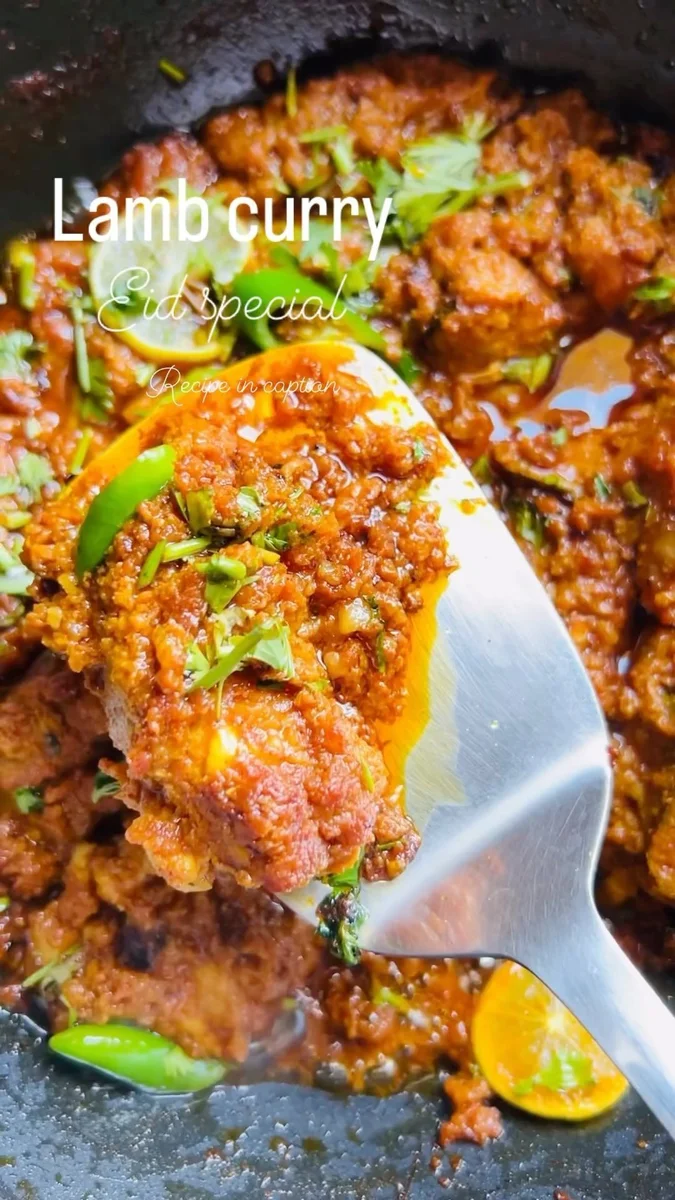
This Pakistani-style lamb curry simmers bone-in lamb with yoghurt, warm spices, onions and tomatoes until tender. Marinating the lamb ahead gives the spices time to flavour the meat, while a slow cook brings the sauce together.
Ingredients
- 400 gbone-in lamb
- 1 tablespoonginger-garlic paste
- 170 gyoghurt
- to tastesalt
- 1 tablespoonKashmiri red chilli powder
- 1 teaspoonred chilli flakes
- 1 teaspoonturmeric powder
- 1 tablespoonroasted and crushed cumin
- 1 tablespoonroasted and crushed coriander
- 1 tablespoonallspice powder or garam masala
- 2 mediumonions, chopped
- 2 mediumtomatoes, chopped and puréed
- 2 tablespoonstomato purée
- 60 ml (¼ cup)oil
- 120 ml (½ cup)water
- 1 handful, 5–6, and to tastecoriander, green chillies and lemon slices, for garnish
Instructions
- 1
Marinate the lamb
Mix the lamb with the ginger-garlic paste, yoghurt and all the spices. Leave to marinate for 4 hours, or overnight if possible.
- 2
Fry the onions
Heat the oil in a wok, add the chopped onions and sauté for a few minutes.
- 3
Brown the lamb
Add the marinated lamb and stir-fry over high heat until the meat changes colour.
- 4
Simmer until tender
Add the tomato purée and tomato paste, then pour in 120 ml (½ cup) water. Reduce the heat and cook over low to medium heat for 30–35 minutes, until the meat is tender and oil rises to the surface.
- 5
Garnish and serve
Finish with lemon slices, coriander and green chillies, then serve.
What is Pakistani-style lamb curry?
This is a home-style curry of lamb cooked with yoghurt, chilli, earthy spices and a tomato-based sauce. Pakistani cooking includes many regional and household variations, so the exact spice blend and consistency can differ from one kitchen to another.
Here, marinating the lamb before cooking and simmering it with tomato gives the meat time to take on flavour while the sauce thickens around it.
Nutrition and macros by portion
The nutrition label shows one serving as written: 360 calories, 19g protein, 12g carbs, 27g fat.
| Portion | Adjustment | kcal | Protein | Carbs | Fat |
|---|---|---|---|---|---|
| Lighter | Use less oil | 252 kcal | 13g | 8g | 19g |
| This serving | As written | 360 kcal | 19g | 12g | 27g |
| Hungry | Add rice or flatbread | 540 kcal | 29g | 18g | 41g |
The lamb provides most of the protein, while the oil and lamb contribute much of the fat. The onions, tomatoes and yoghurt provide most of the carbohydrates; serve the curry with a measured portion of rice or flatbread and add vegetables to round out the meal.
The marinade and spices
Yoghurt and ginger-garlic paste: these coat the lamb and form the base of the marinade. Give the meat at least 4 hours to rest, or leave it overnight if convenient.
Chilli and warm spices: Kashmiri chilli, flakes, turmeric, cumin, coriander and allspice or garam masala make up the seasoning. The chilli flakes add extra heat, so adjust them to suit your preference.
Building the curry base
Onions: sauté them in the oil for a few minutes before adding the lamb. They should soften and begin to colour without burning.
Tomatoes: the purée and tomato paste add moisture and a concentrated savoury flavour. Stir them in with the water so they can simmer into the lamb and spices.
Browning and simmering
High heat: stir-fry the marinated lamb until its colour changes before adding the tomatoes. Work in batches if the wok is crowded, so the meat browns rather than steams.
Gentle heat: once the water is added, keep the curry at a low to medium simmer for 30–35 minutes. Check that the lamb is tender before serving; if it needs more time, continue cooking gently.
How to judge the sauce
Tender meat: the lamb should yield easily when pressed or pierced, while still holding its shape. Bone-in pieces can vary in size, so use tenderness as well as the stated cooking time to judge doneness.
Oil on the surface: the recipe uses this as a cue that the curry has cooked down. If the sauce looks too thick before the lamb is tender, keep the heat gentle and add a small splash of water.
Serving the curry
Garnish: add coriander, green chillies and lemon slices just before serving. The lemon brings a bright contrast to the rich, spiced sauce.
On the side: serve with rice or flatbread to make a filling meal, and add a simple vegetable side if you would like more variety on the plate.
Recipe notes & tips
- Marinate the lamb in the fridge, especially if leaving it overnight.
- Use a wok or heavy-based pan large enough to stir the lamb without crowding it.
- Let the onions soften before adding the marinated meat.
- Keep the curry at a gentle simmer after adding the water to help the lamb become tender.
- Taste the sauce near the end and adjust the salt or chilli to your liking.
- Add the coriander, green chillies and lemon just before serving for a fresh finish.
Variations
- Milder curry: reduce the chilli flakes to suit your heat preference.
- More tang: squeeze lemon over each serving at the table.
- Extra herbs: scatter on more fresh coriander just before serving.
- Different spice blend: use garam masala in place of the allspice powder.
- Thicker sauce: simmer uncovered towards the end, keeping the heat low and stirring occasionally.
Common mistakes to avoid
- Short marinating time: allow at least 4 hours, or leave the lamb overnight for more time in the marinade.
- Crowded pan: the lamb can steam rather than change colour; brown it in batches if needed.
- Burnt onions: keep them moving and lower the heat if they darken too quickly.
- Boiling hard: a vigorous boil can make the sauce reduce too fast; lower the heat to maintain a gentle simmer.
- Relying only on the clock: check that the lamb is tender, and continue simmering gently if it is not.
- Adding garnish too early: stir in the coriander, chillies and lemon at the end to keep their flavour fresh.
How to store
Cool leftovers promptly and refrigerate in a covered container for up to 3 days. Reheat gently in a pan until piping hot throughout, adding a splash of water if the sauce has thickened; avoid reheating more than once.
Frequently asked questions
Can I marinate the lamb overnight?
Yes. Leave it covered in the fridge and cook it the next day.
Can I use boneless lamb?
Yes, though the cooking time may vary with the size of the pieces. Check for tenderness rather than relying only on the stated 30–35 minutes.
How spicy is this curry?
It includes both Kashmiri chilli powder and chilli flakes, so it can be quite warm. Reduce the flakes if you prefer a milder result.
What can I serve with lamb curry?
Rice or flatbread works well for soaking up the sauce. A simple vegetable side can add freshness to the meal.
How do I know when the lamb is cooked?
It should be tender when pierced or pressed. If it is still firm after 30–35 minutes, continue simmering gently until tender.
Can I make the curry ahead?
Yes. Refrigerate it once cooled, then reheat it gently until piping hot throughout. Add a little water if the sauce has thickened in storage.
Cook it from the original
This recipe comes from fooooods.com. Their page has the author’s own photos, notes and tips — the best place to cook it from.
Open the recipe on fooooods.com