
Ricotta and artichoke pastries
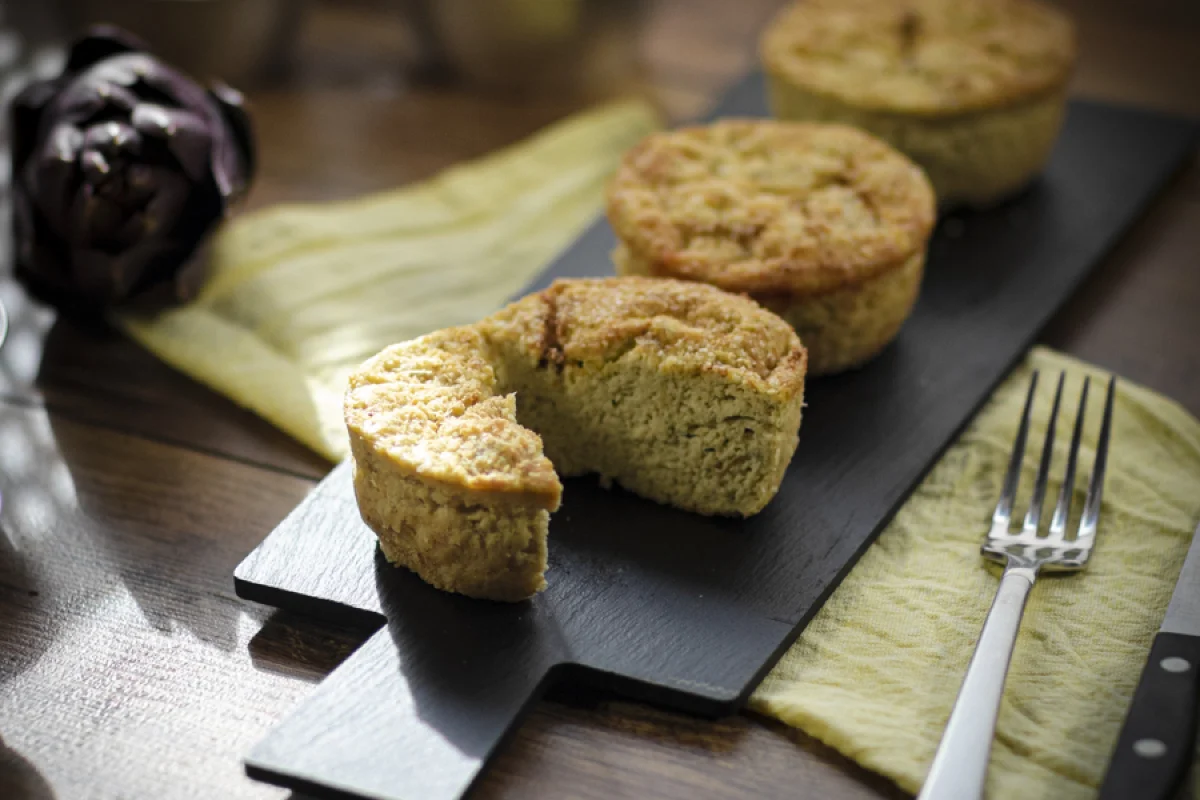
These baked ricotta and artichoke pastries are tender, savoury individual bakes with a golden Parmesan crust. They make a lovely warm appetiser for aperitivo, or a light lunch alongside a salad.
Ingredients
- 600 gartichokes
- 250 gsheep’s milk ricotta
- 2 mediumeggs
- 100 gParmigiano Reggiano DOP
- as neededbreadcrumbs
- as neededfine salt
- as neededblack pepper
- as neededextra-virgin olive oil
Instructions
- 1
Prepare artichokes
Remove the outer leaves and tough tips from the artichokes, cut them into quarters and remove the fuzzy centres. Cook in plenty of salted boiling water for about 10 minutes, until tender.
- 2
Cool and drain
Drain the artichokes and transfer them to a bowl of cold water to stop the cooking. Drain again, pat dry with a cloth and put them in a tall container.
- 3
Blend the mixture
Add the sheep’s milk ricotta and blend with a hand blender until smooth. Transfer the mixture to a bowl.
- 4
Add cheese and eggs
Stir in 80 g of grated Parmesan and the eggs. Season with salt and black pepper, then mix until combined. Oil the bases and sides of four individual moulds, each about 8 cm in diameter.
- 5
Fill the moulds
Coat the oiled moulds with breadcrumbs. Divide the artichoke mixture between them and sprinkle a little more breadcrumb over each one.
- 6
Bake until golden
Sprinkle the remaining Parmesan over the tops. Bake in a preheated conventional oven at 190°C for 30 minutes, or until well browned. Turn out the pastries and serve warm.
What are ricotta and artichoke pastries?
These are small savoury bakes made by combining blended artichokes with sheep’s milk ricotta, eggs and grated Parmesan, then baking the mixture in individual moulds. They suit the Italian aperitivo table, where small bites are served with a drink before a meal.
The recipe’s success comes from balancing the artichokes’ earthy flavour with creamy ricotta and salty cheese. Breadcrumbs both line the moulds and help give the tops a lightly crisp finish.
Nutrition and macros by portion
The nutrition label shows one serving as written: 375 calories, 26g protein, 21g carbs, 21g fat.
| Portion | Adjustment | kcal | Protein | Carbs | Fat |
|---|---|---|---|---|---|
| Lighter | Use less Parmesan | 263 kcal | 18g | 15g | 15g |
| This serving | As written | 375 kcal | 26g | 21g | 21g |
| Hungry | Serve with crusty bread | 563 kcal | 39g | 32g | 32g |
The artichokes and breadcrumbs provide most of the carbohydrates, while ricotta, eggs and Parmesan contribute much of the protein and fat. Serve one pastry with a generous portion of salad or other vegetables to make the plate more balanced.
Preparing the artichokes
Trim away the tough outer leaves and tips before quartering the artichokes. Removing the fuzzy centre matters too, as it can leave an unpleasant texture in the finished pastries.
Boiling the quarters for about 10 minutes softens them enough to blend. Check that they are tender before draining; larger or firmer artichokes may need a little longer.
Cooling and drying
The cold-water pause stops the artichokes cooking further after they leave the pan. Drain them well afterwards so excess water does not thin the ricotta mixture.
Patting them dry is a useful final check before blending. Water clinging to the leaves can make the filling loose and slow the pastries from setting.
Getting a smooth filling
Blend the artichokes and ricotta together before adding the eggs and cheese. This gives the mixture an even texture and avoids leaving large pieces of artichoke in the individual bakes.
Once the Parmesan and eggs are added, mix just until combined. Season to taste, remembering that Parmesan already brings a salty note.
Preparing the moulds
Oil the base and sides of each mould, then coat them with breadcrumbs so the pastries are easier to turn out. Tap out any loose excess before adding the filling.
A small breadcrumb topping adds contrast to the soft centre, while the remaining Parmesan forms the browned top. Divide the mixture evenly so the four pastries cook at a similar rate.
Baking and serving
Bake in a conventional oven at 190°C for 30 minutes, checking for a well-browned surface. The pastries should hold their shape when released from the moulds.
Let them settle briefly before turning them out, then serve warm. They work well as an appetiser or alongside a crisp green salad for a simple lunch.
Recipe notes & tips
- Use a cloth to dry the drained artichokes thoroughly before blending.
- Grate the Parmesan finely so it mixes evenly into the filling.
- Season after adding the cheese, then taste before filling the moulds.
- Oil every part of the mould that touches the mixture to help with turning out.
- Set the moulds on a baking tray to make them easier to move in and out of the oven.
Variations
- Add herbs: Mix chopped parsley into the filling for a fresh note.
- Use lemon zest: Add a little finely grated zest to brighten the artichoke flavour.
- Try another hard cheese: Replace some of the Parmesan with a similarly aged, finely grated cheese.
- Make one large bake: Use a larger ovenproof dish and check that the centre is set before serving.
- Add nutmeg: Grate a small amount into the ricotta mixture for gentle warmth.
Common mistakes to avoid
- Leaving the fuzzy centres in: Remove them when quartering the artichokes for a more pleasant texture.
- Skipping the drying step: Pat the artichokes dry so the filling does not become watery.
- Under-oiling the moulds: Coat the base and sides well to make turning out easier.
- Filling unevenly: Divide the mixture between the four moulds so the pastries bake at the same pace.
- Turning out too soon: Let the pastries settle briefly after baking so they are less likely to break.
How to store
Cool the pastries, cover and refrigerate for up to 2 days. Reheat in an oven at 160°C until warmed through; the microwave works too, though the breadcrumb topping will be softer.
Frequently asked questions
Can I use tinned artichokes?
The recipe is written for fresh artichokes. If using tinned ones, drain them very thoroughly and skip the boiling step; the final texture and flavour may differ.
Can I prepare the mixture ahead?
You can blend the artichokes with the ricotta ahead and keep the mixture covered in the fridge. For the best texture, add the eggs and cheese and fill the moulds closer to baking time.
How can I tell when the pastries are ready?
After about 30 minutes at 190°C, look for a well-browned top and a filling that holds its shape. If they are not browned yet, continue baking and check again shortly.
Can I make them without individual moulds?
Yes. Bake the mixture in one larger oiled and breadcrumb-coated ovenproof dish. The baking time may change, so use the browned top and a set centre as cues.
Can I serve these cold?
They are intended to be served warm, when the centre is soft and the cheese topping is at its best. They can also be eaten cold after chilling, though the texture will be firmer.
Cook it from the original
This recipe comes from giallozafferano.es. Their page has the author’s own photos, notes and tips — the best place to cook it from.
Open the recipe on giallozafferano.es