
Pan-fried prawns
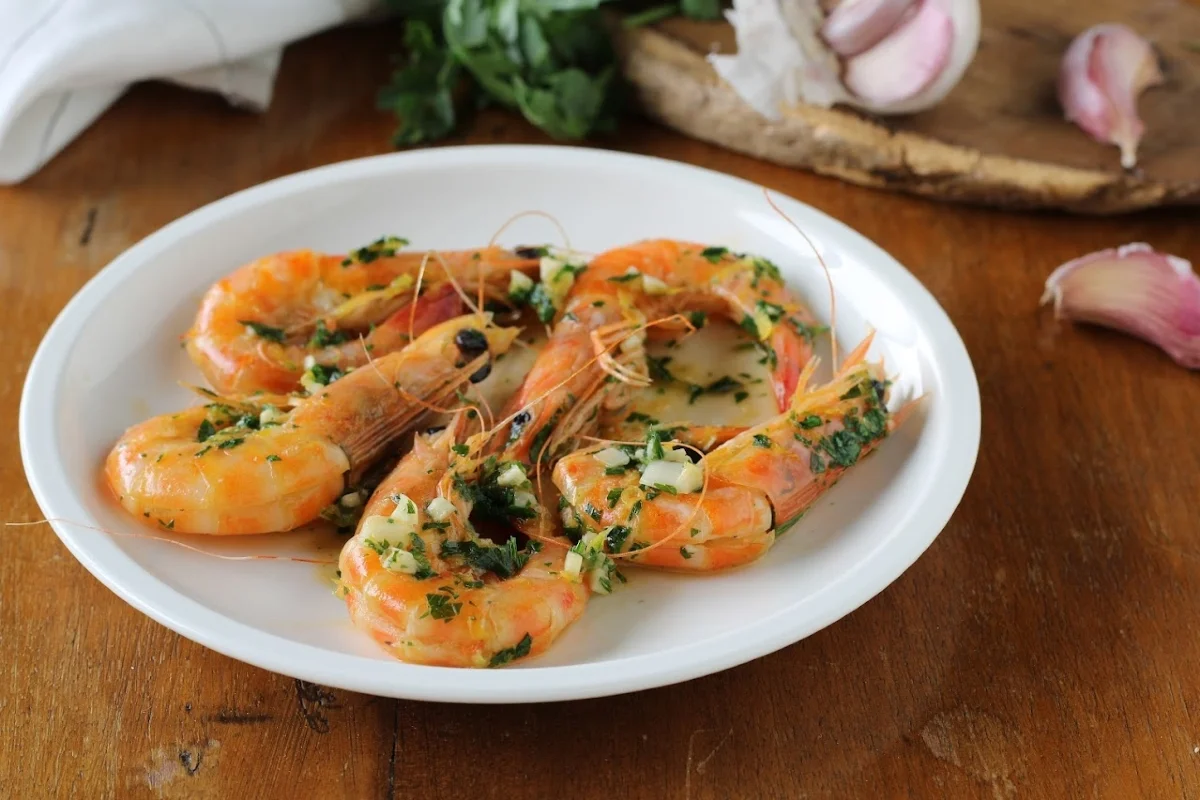
These quick pan-fried prawns are cooked with garlic, parsley and lemon zest, then finished with dry white wine. They make a straightforward main course when you want a bright, savoury seafood dish without a complicated method.
Ingredients
- 700 gPrawns, to clean
- 2 clovesGarlic
- 1 bunchParsley
- As neededLemon zest
- 100 gDry white wine
- 25 gExtra-virgin olive oil
- As neededFine salt
Instructions
- 1
Prepare the prawns
Remove the intestinal vein by cutting along the back of each prawn’s shell and gently drawing it out with a cocktail stick. Leave the shells, heads and legs on. Heat the oil in a frying pan and brown the prawns for 2–3 minutes.
- 2
Add the wine
Once the prawns are well browned, pour in the white wine and let the alcohol evaporate completely. Season with salt, lower the heat and cook for about 5 minutes, stirring occasionally.
- 3
Make the gremolata
Meanwhile, finely chop the garlic and parsley. Combine them with the grated lemon zest and mix well.
- 4
Finish and serve
Add the gremolata to the prawns and cook for a further couple of minutes, turning to coat them in the seasoning. Turn off the heat and serve immediately.
What are pan-fried prawns?
This is a simple seafood main in which prawns are browned in a pan, briefly cooked with white wine and finished with a fresh mixture of garlic, parsley and lemon zest. The method has a Mediterranean feel, though the recipe itself does not specify a regional origin.
Leaving the shells, heads and legs on helps keep the prawns intact as they cook. The sharp, aromatic gremolata-style topping brings freshness to the sweet, savoury shellfish.
Nutrition and macros by portion
The nutrition label shows one serving as written: 150 calories, 23g protein, 3g carbs, 7g fat.
| Portion | Adjustment | kcal | Protein | Carbs | Fat |
|---|---|---|---|---|---|
| Lighter | Use less olive oil | 105 kcal | 16g | 2g | 5g |
| This serving | As written | 150 kcal | 23g | 3g | 7g |
| Hungry | Add bread or potatoes | 225 kcal | 35g | 5g | 11g |
The prawns provide most of the protein, while the olive oil contributes most of the fat and the wine adds a small amount of carbohydrate. Serve with vegetables for a lighter plate, or add potatoes or bread if you want a more filling meal.
Cleaning and keeping the shells
Vein: slit the back of each prawn’s shell and lift out the dark intestinal tract gently with a cocktail stick. Take care not to pull the flesh apart.
Shells: leave the shell, head and legs in place as directed. They help protect the prawns in the pan, though diners will need to peel them at the table.
Brown before adding wine
Prawns: give them 2–3 minutes in the hot oil so they take on colour before the wine goes in. Avoid moving them constantly, which can interrupt browning.
Wine: add it once the prawns are browned and let it evaporate completely before lowering the heat. This keeps the pan from tasting sharply of uncooked wine.
Make the gremolata fresh
Garlic and parsley: chop them finely so their flavour spreads evenly over the prawns. A fine chop also makes the mixture easier to distribute.
Lemon zest: grate only the coloured outer peel, avoiding the bitter white pith. Add the gremolata near the end, then cook for a couple of minutes to bring the flavours together.
Check for doneness
Timing: after browning and the wine reduction, cook the prawns over a lower heat for about 5 minutes, stirring from time to time. Finish with the gremolata for a further couple of minutes.
Texture: the flesh should be opaque and firm, not rubbery. Prawns can vary in size, so check the largest ones and stop cooking once they are done.
Serve straight from the pan
These prawns are best served immediately, while the herbs are fragrant and the seafood is hot. Put a bowl on the table for discarded shells and provide napkins.
Bread, boiled potatoes or plain rice can make the meal more substantial and help soak up the garlicky pan juices. A simple green salad is a fresh side.
Recipe notes & tips
- Pat the prawns dry before they go into the pan to help them brown.
- Use a pan large enough to arrange the prawns without crowding them.
- Grate the lemon zest before juicing or cutting the lemon for another use.
- Keep the garlic and parsley finely chopped so they cling to the prawns.
- Have a bowl ready for the shells before serving.
Variations
- Add chilli: include a little finely chopped fresh chilli in the pan for heat.
- Use lemon juice: squeeze a little over the prawns just before serving for extra acidity.
- Try fresh herbs: replace some of the parsley with chopped coriander.
- Make it buttery: replace part of the olive oil with butter, keeping the total cooking fat modest.
- Add vegetables: serve the prawns with sautéed courgette or peppers.
Common mistakes to avoid
- Crowding the pan: the prawns may steam rather than brown, so cook them in batches if needed.
- Overcooking: prawns turn rubbery when left too long; check the largest ones and stop once opaque.
- Burning the garlic: add the gremolata near the end, as the finely chopped garlic cooks quickly.
- Leaving the wine raw: let it evaporate completely before reducing the heat.
- Grating the pith: avoid the white layer beneath the lemon peel, which can taste bitter.
How to store
Refrigerate leftover prawns in a covered container and eat within 1–2 days. Reheat gently in a pan until hot; prolonged heating can make them tough. Discard any prawns that have been left at room temperature for more than 2 hours.
Frequently asked questions
Do I have to remove the shells?
No. The method leaves the shells, heads and legs on during cooking. Diners can peel the prawns at the table.
Can I use peeled prawns?
Yes, though they may cook faster and will not have the same protection from the shells. Check them early and stop cooking once the flesh is opaque.
Can I use frozen prawns?
Yes. Thaw them fully and pat them dry before cooking so they brown rather than release excess water into the pan.
What can I use instead of white wine?
Use the same amount of water or light fish stock if you prefer not to cook with wine. The flavour will be less wine-like, but the pan will still provide moisture for cooking.
What should I serve with the prawns?
Bread, plain rice or boiled potatoes work well with the pan juices. A green salad or simply cooked vegetables make a fresh accompaniment.
How can I tell when the prawns are cooked?
The flesh should be opaque and firm. Check the largest prawn, as size affects how long the batch takes.
Cook it from the original
This recipe comes from giallozafferano.es. Their page has the author’s own photos, notes and tips — the best place to cook it from.
Open the recipe on giallozafferano.es