
Classic Apple Pie
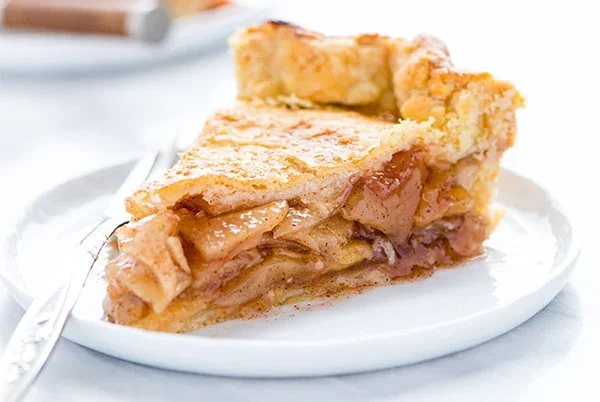
Classic American apple pie pairs a spiced apple filling with a crisp, double gluten-free crust. Layering the apples helps the pie hold its shape, while a long, gentle bake gives the filling time to soften and bubble.
Ingredients
- 1 packagedouble-crust gluten-free pie crust mix (or your favourite gluten-free pie crust dough recipe)
- 1.36 kg (3 pounds)apples, peeled and thinly sliced
- 30 ml (2 tablespoons)fresh lemon juice
- 100 g (1/2 cup)granulated sugar
- 110 g (1/2 cup), lightly packedlight brown sugar
- 30 g (1/4 cup)cornstarch or tapioca starch/flour
- 4 g (1 1/2 teaspoons)ground cinnamon
- 1.2 g (1/2 teaspoon)ground nutmeg
- 0.5 g (1/4 teaspoon)ground cloves
- 3 g (1/2 teaspoon)kosher or fine sea salt
- 1 large, at room temperatureegg
- 15 ml (1 tablespoon)cream or milk
- 30 g (2 tablespoons), cubed and coldunsalted butter
- To tastecoarse sugar, for garnish
Instructions
- 1
Chill the crust
Prepare the gluten-free pie crust as directed on its packaging, then chill it for 1 hour.
- 2
Coat the apples
Put the thinly sliced apples in a large bowl and toss them with the lemon juice.
- 3
Mix the spices
In a separate medium or small bowl, whisk together the granulated sugar, brown sugar, cornstarch, cinnamon, nutmeg, cloves and salt, breaking up any lumps.
- 4
Season the filling
Add the sugar and spice mixture to the apples and gently mix until they are coated. Set aside.
- 5
Prepare egg wash
Beat the egg in a small bowl, whisk in the cream and set aside until needed.
- 6
Line the dish
Roll out half of the chilled crust and fit it into a deep-dish pie plate, leaving an overhang. If desired, brush the base with some of the egg wash.
- 7
Layer the apples
Arrange the apples in even layers in the crust rather than tipping them in all at once. Flat layers help the pie hold its shape and reduce air pockets.
- 8
Add butter
Pour any liquid remaining in the apple bowl over the layered apples, then scatter the cubed butter on top.
- 9
Seal the pie
Roll out the remaining crust and place it over the filling. Gently press it down so it rests on the apples, join and crimp the crust edges to seal, and trim excess crust first if needed.
- 10
Heat the oven
Preheat the oven to 230°C (450°F), with a rimmed baking sheet on the centre rack. Set aside a piece of parchment paper or foil large enough to cover the baking sheet.
- 11
Chill the pie
Refrigerate the assembled pie for 30–45 minutes before baking to firm up the butter in the crust.
- 12
Vent and glaze
Take the pie from the fridge and brush the top and crust with egg wash. Cut several deep, wide slits in the top crust to vent the filling, then sprinkle with coarse sugar if desired.
- 13
Start baking
Carefully place the parchment paper or foil on the hot baking sheet, then set the cold pie on top. Bake on the centre rack at 230°C (450°F) for 10 minutes.
- 14
Lower the heat
After 10 minutes, reduce the oven temperature to 175°C (350°F) and bake for a further 45–80 minutes. If the crust is getting too brown, cover the pie loosely with aluminium foil.
- 15
Check the filling
The pie is ready when the filling bubbles at the edges and through the vents, the apples are soft when tested with a knife, and the centre reaches at least 79°C (175°F). For best results, let it bubble for at least 5–10 minutes before taking it out of the oven.
- 16
Cool before serving
Cool the pie on a wire rack for at least 4 hours so the filling can set. Serve at room temperature or chilled.
What is classic apple pie?
Apple pie is a familiar American dessert of sweetened, spiced apples baked between pastry crusts. This version uses a gluten-free double crust and a filling thickened with cornstarch or tapioca starch.
Layering the slices rather than piling them loosely makes for a more even filling. The top crust is vented so steam can escape as the apples cook.
Nutrition and macros by portion
The nutrition label shows one serving as written: 380 calories, 3g protein, 63g carbs, 14g fat.
| Portion | Adjustment | kcal | Protein | Carbs | Fat |
|---|---|---|---|---|---|
| Lighter | Smaller pie slice | 266 kcal | 2g | 44g | 10g |
| This serving | As written | 380 kcal | 3g | 63g | 14g |
| Hungry | Larger pie slice | 570 kcal | 5g | 95g | 21g |
The apples and sugars provide most of the carbohydrates, while the crust and butter contribute much of the fat. The egg and pastry add some protein; serve a slice with unsweetened yoghurt and fresh fruit for a more balanced plate.
Choosing apples and spices
Apples: Choose apples that keep some structure during baking and slice them thinly so they soften evenly. The lemon juice coats the slices before the sugar mixture is added.
Spices: Cinnamon, nutmeg and cloves bring warmth without making any one spice dominate. Whisk them thoroughly with the sugars, starch and salt to spread them evenly through the filling.
Building a stable filling
Starch: Cornstarch or tapioca starch thickens the juices released by the apples. Mix it with the dry ingredients first to help avoid pockets of powder.
Layers: Arrange the apples in flat, even layers and pour over any liquid left in the bowl. Pressing the top crust gently against the apples also limits empty spaces beneath it.
Keeping the crust flaky
Cold pastry: Chill the assembled pie for 30–45 minutes before it goes into the oven. This firms the butter in the crust, which helps it bake into distinct, flaky layers.
Hot start: Beginning at 230°C (450°F) gives the crust an initial burst of heat. Reducing the oven to 175°C (350°F) then gives the filling time to cook through.
How to tell when it is done
Bubbling: Look for filling bubbling at the edges and through the vents, not just a browned top. Let it bubble for 5–10 minutes before removing the pie so the filling has time to cook.
Softness: A knife should pass easily into the apples, and the centre should reach at least 79°C (175°F). If the crust darkens before the filling is ready, tent it with foil.
Cooling and serving
Set time: Leave the pie on a wire rack for at least 4 hours before slicing. This gives the thickened apple juices time to settle and makes portions easier to lift.
Serving: Enjoy it at room temperature or chilled. A slice also works well with a spoonful of cream or a scoop of ice cream.
Recipe notes & tips
- Slice the apples to a consistent thickness so they soften at a similar rate.
- Whisk the starch thoroughly with the sugars and spices before adding it to the apples.
- Layer the apple slices evenly rather than tipping them into the crust in one pile.
- Make the vents wide enough that they are unlikely to close as the crust bakes.
- Use foil to shield the crust if it browns before the filling is bubbling.
- Allow the full 4 hours of cooling before cutting if you want neater slices.
Variations
- Use tapioca starch: Swap it for the cornstarch to thicken the apple juices.
- Adjust the spice: Add a little more cinnamon or leave out the cloves to suit your taste.
- Add a crumb topping: Replace the top pastry with a gluten-free crumble topping.
- Serve with cream: Add a spoonful of cream or a scoop of ice cream alongside each slice.
- Try mixed apples: Combine different baking apples for a varied balance of sweetness and tartness.
Common mistakes to avoid
- Lumpy filling mix: Whisk the starch and spices into the sugars before adding them to the apples.
- Gaps beneath the crust: Layer the apples evenly and gently press the top crust onto them.
- Sealed top crust: Cut several deep, wide vents so steam can escape during baking.
- Overbrowned pastry: Tent the pie with aluminium foil while the filling finishes cooking.
- Runny slices: Wait at least 4 hours for the pie to cool and the filling to set.
- Undercooked apples: Check that the slices are soft and the filling bubbles before taking the pie out.
How to store
Once cool, cover the pie and keep it refrigerated; use within 3–4 days. Reheat individual slices in a low oven until warmed through, or serve chilled.
Frequently asked questions
Can I make the pie ahead?
Yes. Assemble it and chill it for the specified 30–45 minutes before baking; keep it cold until it goes into the oven. You can also bake it ahead and serve it after it has cooled.
How do I know the apple pie is cooked?
The filling should bubble at the edges and through the vents, the apples should be soft when tested with a knife, and the centre should reach at least 79°C (175°F).
Why does the pie need to cool for so long?
The apple juices need time to settle and thicken as the pie cools. Cutting it too soon can make the filling run out of the slice.
Can I use either cornstarch or tapioca starch?
Yes. The recipe allows either cornstarch or tapioca starch/flour as the filling thickener.
What should I do if the crust browns too quickly?
Cover the pie loosely with aluminium foil while it continues to bake, then check the filling for bubbling, softness and temperature.
Can I serve apple pie cold?
Yes. Once it has cooled and the filling has set, serve it at room temperature or chill it before serving.
Cook it from the original
This recipe comes from glutenfreeandmore.com. Their page has the author’s own photos, notes and tips — the best place to cook it from.
Open the recipe on glutenfreeandmore.com