
Vanilla flan
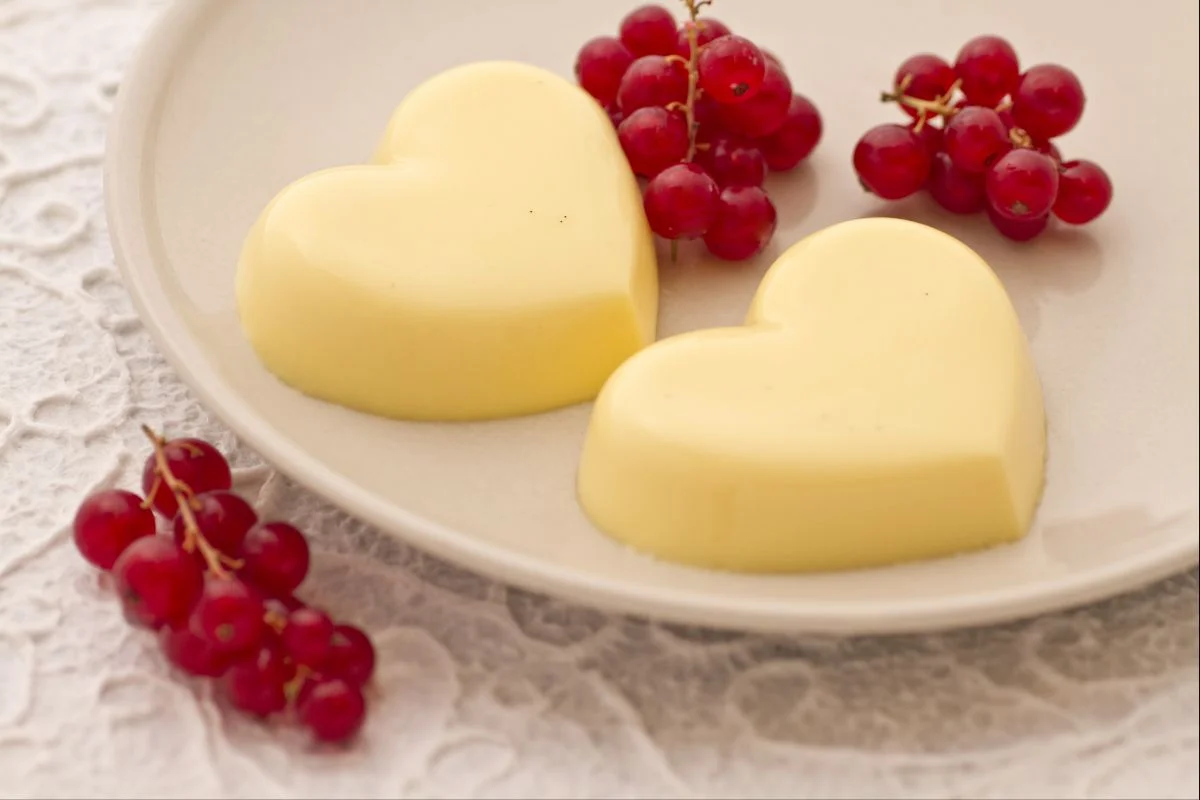
This vanilla flan is a softly set, spoonable dessert with a creamy texture and fragrant vanilla. Serve it plain or add fresh fruit, whipped cream or a sweet sauce.
Ingredients
- 100 gSugar
- 1Vanilla pod
- 350 mlWhole milk
- 200 mlLiquid cream
- 4Very fresh egg yolks
- 9 gLeaf gelatine
Instructions
- 1
Soak and infuse
Soak the gelatine leaves in a bowl of cold water for 15 minutes. Split the vanilla pod lengthways and scrape out the seeds with a knife. Put the milk and cream in a saucepan with the pod and seeds, then heat gently until the mixture is just about to boil.
- 2
Mix and chill
Take the pan off the heat and strain the mixture into a bowl to remove the pod and any residue. Drain the gelatine well, add it to the warm mixture and stir until completely dissolved. In a tall bowl, whisk the egg yolks with the sugar, then gradually pour in the milk and cream mixture while stirring. Transfer to a mould and chill in the fridge for at least 4 hours before serving. To unmould, dip the mould in boiling water for a few seconds, then turn the flan out onto a serving plate. Decorate with fresh fruit, whipped cream, sweet sauces or other toppings to taste.
What is vanilla flan?
Flan is part of the broad tradition of European set custards, made in many forms with milk, cream and eggs. This version uses gelatine to help it set, rather than relying on baking.
Vanilla seeds scent the dairy as it warms, while the yolks and sugar give the finished dessert its rich, smooth character. It can be served simply or dressed up with fruit or sauce.
Nutrition and macros by portion
The nutrition label shows one serving as written: 328 calories, 0g protein, 32g carbs, 19g fat.
| Portion | Adjustment | kcal | Protein | Carbs | Fat |
|---|---|---|---|---|---|
| Lighter | Serve with fresh fruit | 230 kcal | 0g | 22g | 13g |
| This serving | As written | 328 kcal | 0g | 32g | 19g |
| Hungry | Larger slice with cream | 492 kcal | 0g | 48g | 28g |
The sugar supplies most of the carbohydrates, while the cream and egg yolks contribute much of the fat. The milk and yolks provide some protein. Balance the dessert with fresh fruit alongside it, or serve a modest slice after a meal with a lighter main course.
Choosing the ingredients
Vanilla pod: split it lengthways and scrape out the seeds so both the seeds and pod can infuse the milk and cream. Strain the pod out before adding the gelatine.
Gelatine: use leaf gelatine and soak it in cold water for the full 15 minutes. Drain it well before stirring it into the warm dairy.
Gentle heating matters
Milk and cream: warm them slowly with the vanilla until they are just on the verge of boiling. Avoid letting the mixture boil, which can make it harder to combine smoothly with the yolks.
Egg yolks: whisk them with the sugar first, then pour in the warm dairy while stirring continuously. This gradual mixing helps the ingredients come together evenly.
Setting and texture
Gelatine: stir until no pieces remain, so the flan sets evenly throughout. If it has not dissolved fully, you may find small firm flecks in the finished dessert.
Chilling: allow at least 4 hours in the fridge before unmoulding. The flan should hold its shape when turned out while remaining soft enough to eat with a spoon.
Unmoulding without breaking
Warm the outside of the mould by dipping it in boiling water for just a few seconds. This loosens the set flan from the sides; keep the mould in the water only briefly so the dessert does not begin to melt.
Place a serving plate over the mould and turn them over together. If the flan does not release, dip the mould briefly again rather than pulling at the edges.
Serving ideas
Fruit: fresh fruit adds a bright contrast to the creamy vanilla base. A fruit coulis or another sweet sauce also works well.
Cream: add a few small dollops of whipped cream for a more indulgent finish, or serve the flan on its own for a simpler dessert.
Recipe notes & tips
- Scrape the vanilla seeds into the saucepan and add the pod as well for a fuller infusion.
- Keep the heat low and take the dairy off the hob as soon as it is close to boiling.
- Drain the soaked gelatine thoroughly before adding it to the warm mixture.
- Pour the dairy into the yolks gradually, whisking as you go.
- Chill the flan for at least 4 hours before trying to unmould it.
- Dip the mould in boiling water for only a few seconds to loosen the sides.
Variations
- Fresh fruit: add sliced seasonal fruit on top just before serving.
- Fruit coulis: spoon a fruit purée or coulis around each portion.
- Whipped cream: finish with a few small dollops for a richer serving.
- Citrus note: add finely grated lemon or orange zest to the warm dairy.
- Caramel sauce: drizzle a little sweet caramel sauce over the flan when serving.
Common mistakes to avoid
- Boiling the dairy: heat it only until it is nearly boiling, then remove it from the hob.
- Undissolved gelatine: stir the drained leaves into the warm mixture until fully dissolved.
- Pouring too quickly: add the warm dairy to the yolks gradually while whisking.
- Rushing the chill: leave the mould in the fridge for at least 4 hours before unmoulding.
- Soaking the mould too long: dip it in boiling water for just a few seconds so the flan does not soften.
How to store
Keep the flan covered in its mould or in an airtight container in the fridge and eat within 2 days. Serve it chilled; it does not need reheating.
Frequently asked questions
How long does the flan need to set?
Chill it for at least 4 hours before unmoulding. A longer chill is fine if you need to prepare it ahead.
Can I make this flan ahead?
Yes. Make it the day before and keep it covered in the fridge until serving.
How do I stop the flan from sticking to the mould?
Dip the mould in boiling water for a few seconds, then turn it over onto a serving plate. If needed, repeat the brief dip.
Can I serve it without unmoulding?
Yes. You can chill it in individual serving dishes and serve it directly from them.
What can I serve with vanilla flan?
Try fresh fruit, fruit coulis, whipped cream or another sweet sauce. It is also enjoyable on its own.
Cook it from the original
This recipe comes from giallozafferano.es. Their page has the author’s own photos, notes and tips — the best place to cook it from.
Open the recipe on giallozafferano.es