
Wholemeal sponge cake
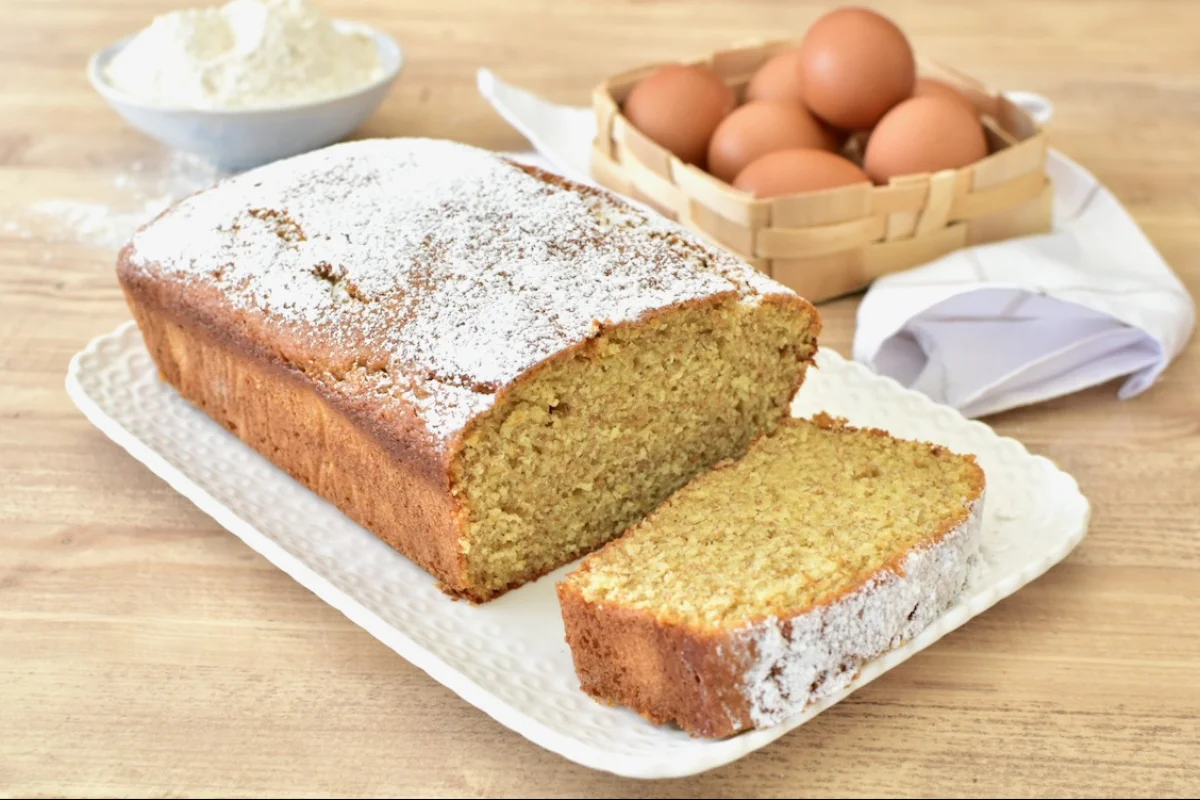
A soft wholemeal loaf cake made with ricotta, eggs and sunflower oil instead of butter. It is straightforward to mix and makes a gently sweet option for breakfast or an afternoon snack.
Ingredients
- 250 gwholemeal flour
- 250 gcow’s milk ricotta
- 180 ggranulated sugar
- 3medium eggs, at room temperature
- 120 mlsunflower oil
- 16 gbaking powder
- 1 tablespoonvanilla extract
- 30 gwhole milk, at room temperature
- 1 pinchfine salt
- as neededicing sugar, for decorating
Instructions
- 1
Mix ricotta and sugar
Put the ricotta and granulated sugar in a bowl and beat until smooth. Add the eggs one at a time.
- 2
Add wet ingredients
Wait until each egg is fully incorporated before adding the next. With the beaters running, gradually pour in the sunflower oil and milk.
- 3
Season the mixture
Add the vanilla extract and pinch of salt, then beat for about 1 minute. Sift in the baking powder to remove any lumps.
- 4
Fold in flour
With the electric beaters running, gradually add the wholemeal flour. Mix for a couple of minutes, until the batter is smooth, then pour it into a 14 × 24 cm loaf tin lined with baking paper.
- 5
Bake and finish
Gently level the surface and bake in a preheated conventional oven at 180°C for 45–50 minutes. Remove the cake from the oven and leave it to cool, then turn it out onto a plate and dust with icing sugar.
What is wholemeal sponge cake?
This is a loaf-shaped cake, called a plumcake in the source recipe, made with wholemeal flour and a ricotta-based batter. The method is a simple home-baking style: cream the ricotta and sugar, incorporate the eggs and liquids, then mix in the dry ingredients.
Ricotta gives the cake a tender, moist texture, while wholemeal flour brings a more substantial crumb than white flour. Sunflower oil keeps the method butter-free and easy to mix.
Nutrition and macros by portion
The nutrition label shows one serving as written: 543 calories, 0g protein, 68g carbs, 25g fat.
| Portion | Adjustment | kcal | Protein | Carbs | Fat |
|---|---|---|---|---|---|
| Lighter | Smaller cake slice | 380 kcal | 0g | 47g | 17g |
| This serving | As written | 543 kcal | 0g | 68g | 25g |
| Hungry | Larger cake slice | 815 kcal | 0g | 101g | 37g |
The flour and sugar provide most of the carbohydrates, while sunflower oil and ricotta contribute much of the fat. Eggs and ricotta also provide protein. Serve a slice with plain yoghurt or fresh fruit for a more balanced breakfast plate.
Why room-temperature ingredients help
Eggs and milk: bringing them to room temperature helps them blend more readily into the ricotta mixture. Add the eggs one by one and wait until each is incorporated before continuing.
Ricotta: beat it with the sugar until the mixture looks even before adding the eggs. This gives you a smoother starting point for the batter.
Mixing the batter
Oil and milk: pour them in gradually while the beaters are running so they combine with the egg and ricotta mixture. Add the vanilla and salt, then beat for about 1 minute as directed.
Flour: sift the baking powder first, then add the wholemeal flour in stages. Mix for a couple of minutes, stopping when the batter is smooth rather than continuing to beat it unnecessarily.
Getting the bake right
Tin: use a loaf tin measuring 14 × 24 cm and line it with baking paper. Level the batter gently so it is spread evenly before baking.
Oven: bake in a preheated conventional oven at 180°C for 45–50 minutes. The recipe gives a time range, so check the cake towards the end of that window; it should be set before you take it out.
Cooling and serving
Cooling: leave the cake to cool before turning it out onto a plate. A warm loaf is more delicate, so handling it too soon can make it break.
Finish: dust with icing sugar once the cake is cool. Serve in slices for breakfast or as a simple snack alongside tea or coffee.
Choosing wholemeal flour and ricotta
Wholemeal flour: it gives the crumb a deeper, more rustic character than plain white flour. Measure the stated 250 g and add it gradually as the method specifies.
Ricotta: use cow’s milk ricotta as listed and beat it smooth with the sugar. If it is very wet, drain it briefly before mixing so excess moisture does not affect the batter.
Recipe notes & tips
- Bring the eggs and milk to room temperature before starting.
- Add each egg only after the previous one has blended into the ricotta mixture.
- Sift the baking powder to help prevent lumps in the batter.
- Line the loaf tin with baking paper so the cake is easier to remove.
- Let the cake cool before turning it out and adding the icing sugar.
Variations
- Citrus note: add finely grated lemon zest for a fresh aroma.
- Spiced version: mix a little ground cinnamon into the flour for a warmer flavour.
- Nutty finish: scatter chopped nuts over the batter before baking.
- Fruit addition: fold a small handful of raisins into the finished batter.
- Chocolate twist: stir in chocolate chips just before pouring the batter into the tin.
Common mistakes to avoid
- Adding eggs too quickly: the mixture may not blend evenly; incorporate them one at a time.
- Pouring in the oil all at once: it can be harder to combine smoothly; add it gradually with the beaters running.
- Skipping the sieve: baking powder lumps can remain in the batter; sift it before adding.
- Overmixing after adding flour: the crumb may become less tender; stop once the batter is smooth.
- Removing the cake while hot: it can break when turned out; let it cool first.
How to store
Once completely cool, store the cake in an airtight container at room temperature for up to 3 days. Reheat individual slices briefly in a low oven if you prefer them warm.
Frequently asked questions
Can I use plain flour instead of wholemeal flour?
Yes, but the cake will have a lighter colour and a less pronounced wholemeal flavour. Use the same stated weight.
Can I use a different oil?
A mild-flavoured oil can be used in place of sunflower oil. Strongly flavoured oils may change the taste of the cake.
How can I tell when the cake is baked?
Bake it for 45–50 minutes at 180°C as directed and check near the end of that range. The centre should look set before you remove it.
Can I make the cake ahead?
Yes. Bake it in advance, let it cool completely and store it in an airtight container. Add the icing sugar shortly before serving for the neatest finish.
Can I freeze slices?
Yes. Once cool, wrap slices well and freeze them in a sealed container. Thaw at room temperature and dust with icing sugar after thawing.
Cook it from the original
This recipe comes from giallozafferano.es. Their page has the author’s own photos, notes and tips — the best place to cook it from.
Open the recipe on giallozafferano.es