
Quick ricotta cake
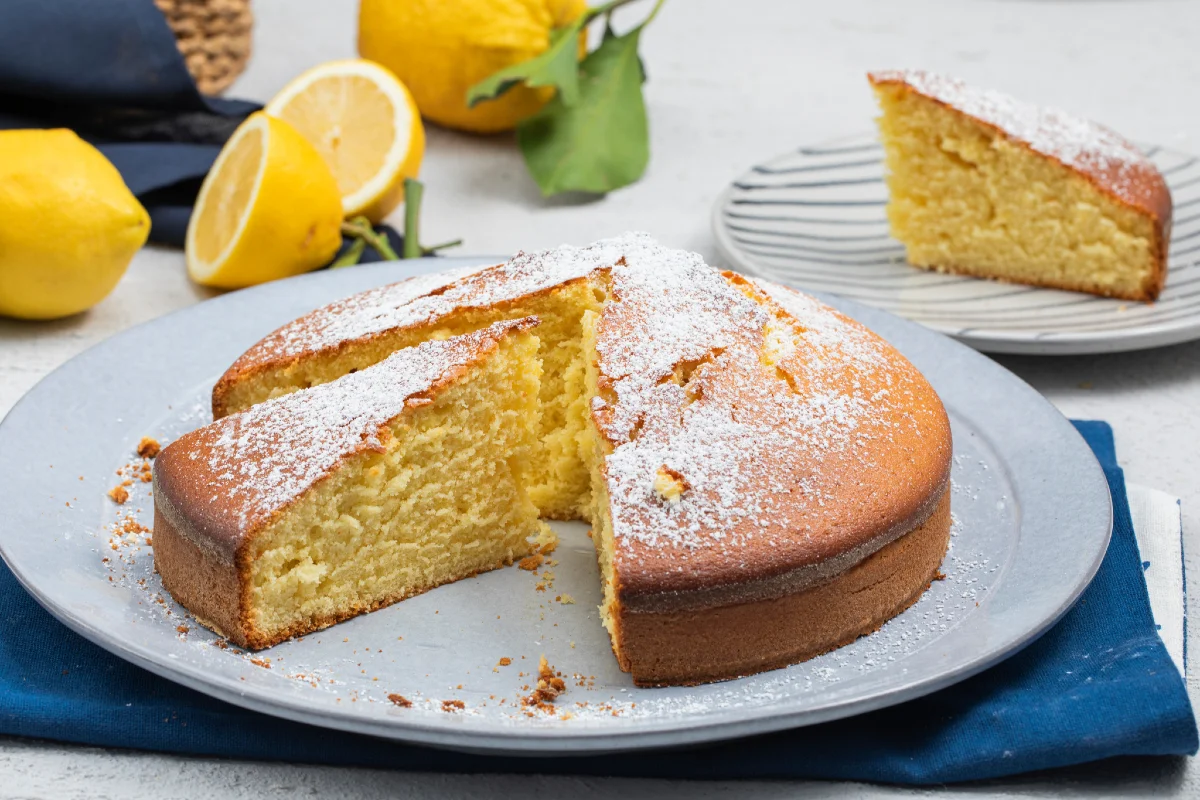
This quick ricotta cake is a soft, lemon-scented bake made by blending the wet ingredients before mixing in flour and baking powder. It is an easy option when you want a simple cake to serve with coffee or tea.
Ingredients
- 300 gcow’s milk ricotta
- 300 gplain flour
- 300 gcaster sugar
- 165 g (about 3 medium)eggs
- 50 gsunflower oil
- 50 gwhole milk
- 50 glemon juice
- 2lemons, for zesting
- 16 gbaking powder
- as neededbutter
- as neededplain flour
- as neededicing sugar
Instructions
- 1
Blend ricotta
Put the ricotta and sugar in a food processor fitted with a steel blade. Blend until creamy.
- 2
Add lemon
Add the lemon zest, lemon juice and milk to the processor.
- 3
Mix wet ingredients
Add the sunflower oil and beaten eggs, then blend again to combine. In a separate bowl, sift together the flour and baking powder.
- 4
Finish the batter
Add the sifted dry ingredients to the ricotta mixture and blend once more until smooth and creamy. Pour the batter into a greased and floured 24 cm cake tin.
- 5
Bake and cool
Level the surface and bake in a preheated conventional oven at 180°C for about 50 minutes, on a shelf in the lower-middle part of the oven. Check with a skewer, then take the cake out and leave it to cool slightly in the tin. Turn it out onto a wire rack and let it cool completely before dusting with icing sugar.
What is ricotta cake?
Ricotta cake is a tender cake in which ricotta gives the crumb a moist, soft texture. This version pairs the mild dairy flavour with lemon juice and zest for a bright, simple finish.
The recipe follows a straightforward style of home baking: blend the wet ingredients, add sifted flour and baking powder, then bake. Its quick mixing method makes it useful when you want a homemade cake without creaming butter and sugar.
Nutrition and macros by portion
The nutrition label shows one serving as written: 443 calories, 11g protein, 68g carbs, 14g fat.
| Portion | Adjustment | kcal | Protein | Carbs | Fat |
|---|---|---|---|---|---|
| Lighter | Smaller cake slice | 310 kcal | 8g | 48g | 10g |
| This serving | As written | 443 kcal | 11g | 68g | 14g |
| Hungry | Larger cake slice | 665 kcal | 17g | 102g | 21g |
The flour and sugar provide most of the carbohydrates, while ricotta, eggs and sunflower oil contribute much of the fat; ricotta and eggs also supply most of the protein. Serve a slice with fresh fruit, or alongside plain yoghurt, for a more balanced plate.
Why ricotta works here
Ricotta: blending it with the sugar creates a smooth base for the batter. Use cow’s milk ricotta as specified, and drain off any obvious excess liquid if yours is particularly wet.
Lemon: both zest and juice contribute flavour, while the zest gives a fragrant note throughout the cake. Zest the lemons before juicing them.
Getting a smooth batter
Dry ingredients: sift the flour and baking powder together so they are easier to distribute evenly. Add them after blending the ricotta mixture, and process only until the batter looks smooth and creamy.
Tin: grease and flour a 24 cm tin thoroughly, including the sides. This helps the cake release cleanly after it has cooled slightly.
How to tell when it is baked
Skewer: insert one into the centre after about 50 minutes. It should come out without wet batter; a few moist crumbs are fine.
Surface: the cake should look set rather than liquid in the middle. If it needs more time, continue baking and check again rather than relying on colour alone.
Cooling before serving
In the tin: let the cake cool slightly before turning it out, so it has time to firm up and is less likely to break.
On a rack: cool it completely before adding icing sugar. Dusting too early can make the sugar melt into the warm surface.
When to serve it
This cake works well as a simple afternoon bake with tea or coffee, or as a light dessert after a meal. The lemon flavour also pairs nicely with fresh berries.
For a more substantial dessert, serve slices with yoghurt or a spoonful of softly whipped cream. Keep additions separate until serving so the cake’s surface stays neat.
Recipe notes & tips
- Bring the ricotta and eggs towards room temperature before mixing for an easier-to-blend batter.
- Zest the lemons finely and avoid grating the bitter white pith.
- Sift the flour and baking powder together before adding them to the wet mixture.
- Use a 24 cm tin so the cake bakes to the intended depth.
- Let the cake cool completely before dusting it with icing sugar.
Variations
- Orange twist: replace the lemon zest and juice with orange for a softer citrus flavour.
- Vanilla note: add a little vanilla extract to the wet mixture for a rounded aroma.
- Berry side: serve slices with fresh berries for a fruity contrast.
- Spiced finish: add a pinch of cinnamon to the sifted flour for gentle warmth.
- Almond topping: scatter flaked almonds over the batter before baking for a crisp top.
Common mistakes to avoid
- Wet ricotta: excess liquid can make the batter looser; drain very wet ricotta before measuring.
- Overmixing the flour: blending for too long after adding it can make the crumb less tender; stop when the batter is smooth.
- Unprepared tin: the cake may stick; grease and flour the base and sides before adding batter.
- Opening the oven early: the cake can lose heat before it sets; wait until it is close to the suggested baking time to check.
- Turning it out hot: the cake may break while fragile; let it cool slightly in the tin first.
How to store
Once completely cool, keep the cake covered at room temperature for up to 2 days, or refrigerate it for up to 4 days. Bring chilled slices to room temperature before serving, or warm them briefly in a low oven.
Frequently asked questions
Can I make this cake without a food processor?
Yes. Beat the ricotta and sugar until smooth, then mix in the remaining wet ingredients. Fold in the sifted flour and baking powder until just combined.
How do I know the centre is cooked?
Test the centre with a skewer after about 50 minutes. It should come out without wet batter; if needed, bake a little longer and check again.
Can I use a different size cake tin?
The recipe specifies a 24 cm tin. A different size will change the cake’s depth and baking time, so check doneness with a skewer rather than relying only on the stated time.
Do I need to drain the ricotta?
Only if it has a noticeable amount of excess liquid. A very wet ricotta can make the batter looser than intended.
When should I add the icing sugar?
Dust it over the cake after it has cooled completely. If the cake is warm, the sugar may dissolve into the surface.
Cook it from the original
This recipe comes from giallozafferano.es. Their page has the author’s own photos, notes and tips — the best place to cook it from.
Open the recipe on giallozafferano.es