
Mascarpone Cheese Recipe
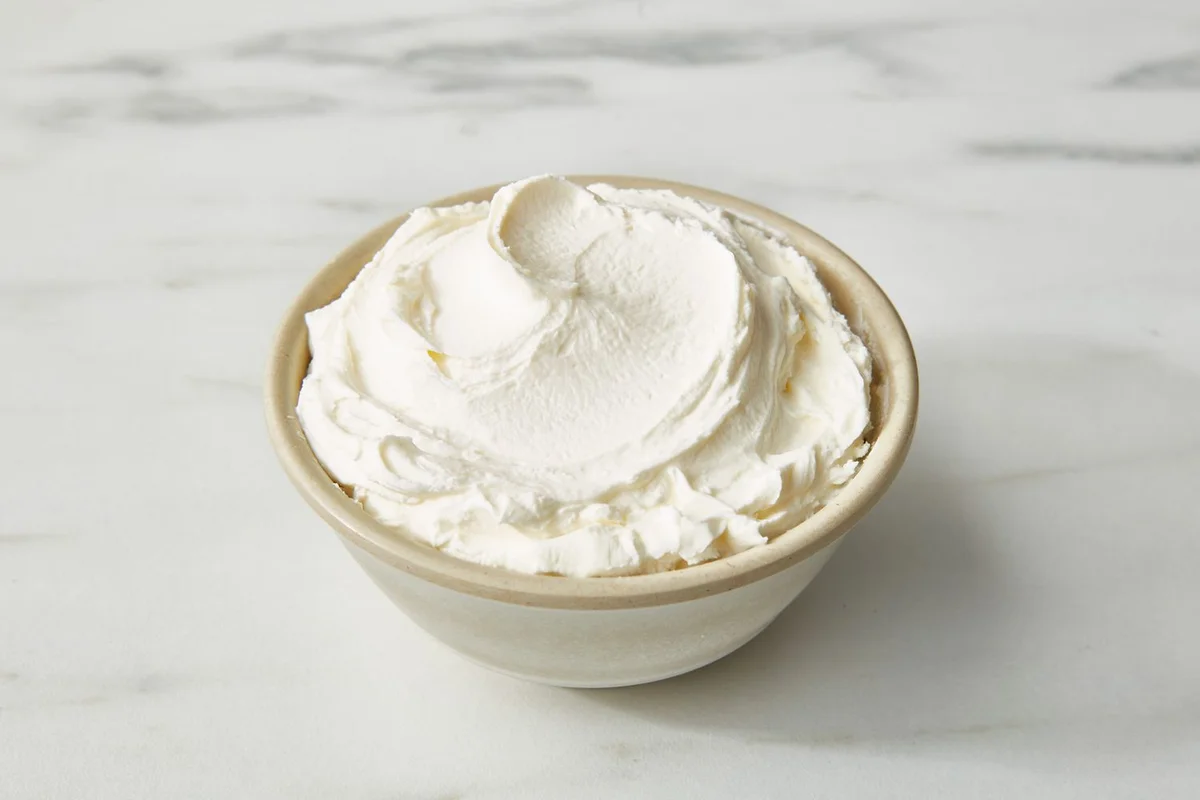
This homemade mascarpone is a rich, softly set Italian-style cheese made by gently heating cream, adding lemon juice and draining it. Make it ahead for desserts such as tiramisu or to add a creamy finish to savoury dishes.
Ingredients
- 480 ml (2 cups)double cream
- 15 ml (1 tablespoon)freshly squeezed lemon juice
Instructions
- 1
Heat the cream
Warm the double cream in a double boiler until it reaches 88°C (190°F).
- 2
Add the lemon
Take the cream off the heat and stir in the lemon juice.
- 3
Chill the mixture
Leave the mixture to cool to room temperature, then cover and refrigerate it for 8 hours or overnight.
- 4
Drain the cheese
Line a strainer with cheesecloth and set it over a bowl. Pour in the chilled mixture and leave it to drain for 1–2 hours.
- 5
Store the mascarpone
Transfer the mascarpone to an airtight container and refrigerate it until you are ready to use it.
What is mascarpone?
Mascarpone is a rich, soft Italian cheese associated with Lombardy in northern Italy. It is used in desserts such as tiramisu and also brings a mild, creamy quality to savoury dishes.
This version uses double cream and lemon juice, then relies on chilling and draining to give the cheese its thick texture. The flavour is delicate, so it can work in both sweet and savoury recipes.
Nutrition and macros by portion
The nutrition label shows one serving as written: 200 calories, 2g protein, 2g carbs, 20g fat.
| Portion | Adjustment | kcal | Protein | Carbs | Fat |
|---|---|---|---|---|---|
| Lighter | Use a smaller serving | 140 kcal | 1g | 1g | 14g |
| This serving | As written | 200 kcal | 2g | 2g | 20g |
| Hungry | Serve a larger spoonful | 300 kcal | 3g | 3g | 30g |
The cream supplies most of the calories and fat, along with some protein and carbohydrate; the lemon juice contributes a little carbohydrate. Pair a serving with fruit or vegetables and another source of protein for a more balanced plate.
Choosing the ingredients
Double cream: Use fresh, full-fat cream for a rich result. Avoid cream that has already been whipped or thickened.
Lemon juice: Freshly squeezed juice provides the acidity that helps the cream thicken. Strain out any pips before adding it.
Heating and setting
Gentle heat: A double boiler helps warm the cream without exposing it directly to a hot pan. Use a thermometer to check for 88°C rather than guessing.
Cooling time: Let the mixture reach room temperature before covering and chilling it. The long rest gives it time to set before draining.
Getting the texture right
Draining: Line the strainer with cheesecloth and place a bowl beneath it to catch the liquid. Leave the mixture undisturbed for 1–2 hours, checking whether it has reached the thickness you want.
Finished cheese: The mascarpone should be thick and spoonable once drained. If it seems too loose, allow it more time in the strainer.
Planning the timing
Make ahead: Although the active steps are brief, the mixture needs 8 hours or overnight in the fridge, followed by 1–2 hours of draining. Start the day before you plan to use it.
Keep it cold: Return the cheese to the refrigerator after draining and store it covered until needed.
Serving ideas
Sweet dishes: Use mascarpone in tiramisu, spoon it over fruit, or fold it into a dessert filling.
Savoury dishes: Stir it into a sauce or serve it alongside roasted vegetables. Add it near the end of cooking to keep its creamy character.
Recipe notes & tips
- Use a double boiler to heat the cream gently.
- Check the cream temperature with a thermometer.
- Let the mixture cool fully before covering and refrigerating it.
- Set the strainer over a bowl deep enough to collect the drained liquid.
- Taste the mascarpone before using it in a recipe, especially a sweet one.
Variations
- Vanilla: Stir a little vanilla into the finished mascarpone for a dessert-ready flavour.
- Sweetened: Fold icing sugar into the drained cheese to use it as a sweet topping.
- Herbed: Mix chopped fresh herbs into the finished cheese for a savoury spread.
- Peppery: Add freshly ground black pepper before serving it with savoury dishes.
Common mistakes to avoid
- Overheating the cream: Warm it gradually and check for 88°C with a thermometer.
- Adding juice too early: Take the cream off the heat before stirring in the lemon juice.
- Skipping the cooling: Let the mixture cool to room temperature before refrigerating it.
- Draining without a bowl: Set the strainer over a bowl so the liquid can collect below.
- Rushing the drain: Leave the mixture for the full 1–2 hours, then check its thickness.
How to store
Keep the mascarpone in an airtight container in the refrigerator and use it within 3–4 days. Stir gently before serving if any liquid separates, and avoid leaving it at room temperature for extended periods.
Frequently asked questions
Can I make mascarpone without a double boiler?
A double boiler is the method specified here and helps warm the cream gently. If using another setup, heat the cream carefully and monitor it closely so it reaches 88°C without scorching.
How long does the mixture need to chill?
Refrigerate it for 8 hours or overnight before draining. It then needs another 1–2 hours in the lined strainer.
How do I know when the mascarpone is ready?
After draining, it should be thick and spoonable. If it is still too loose, leave it to drain for longer.
Can I use bottled lemon juice?
Freshly squeezed lemon juice is specified for this recipe. If using bottled juice, the flavour may differ.
Can I use homemade mascarpone in tiramisu?
Yes. Once it has drained and chilled, use it in place of mascarpone in a dessert such as tiramisu.
Cook it from the original
This recipe comes from dirtydishesmessykisses.com. Their page has the author’s own photos, notes and tips — the best place to cook it from.
Open the recipe on dirtydishesmessykisses.com