
Simple Baked Fish
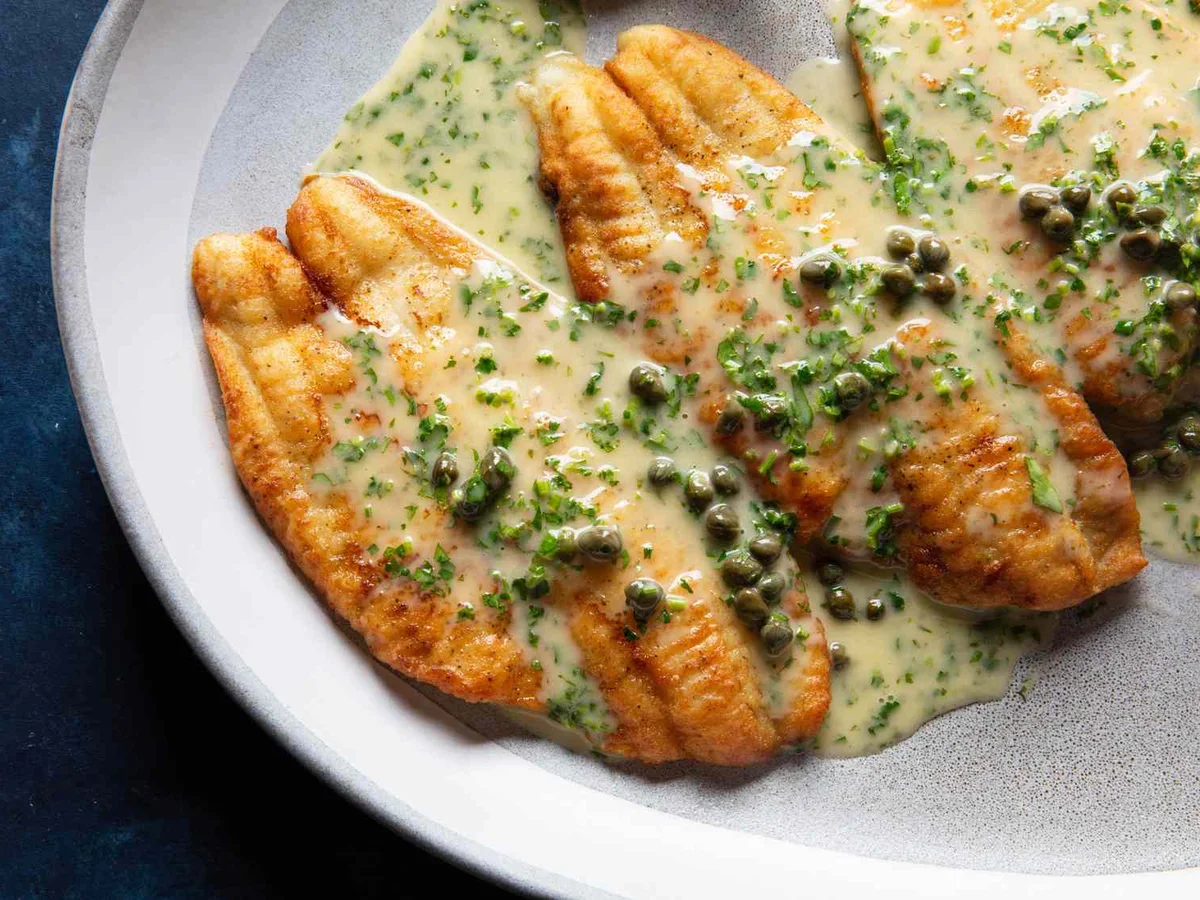
This American-style baked fish pairs mild white fish with olive oil, lemon and garlic for a straightforward weeknight meal. It takes little preparation and leaves the oven to do most of the work.
Ingredients
- 4 filletswhite fish, such as cod or tilapia
- 30 ml (2 tbsp)olive oil
- 5 ml (1 tsp)salt
- 2.5 ml (0.5 tsp)black pepper
- 0.5lemon, sliced
- 2 clovesgarlic, minced
Instructions
- 1
Preheat the oven
Heat the oven to 190°C (375°F).
- 2
Arrange the fish
Place the fish fillets in a baking dish.
- 3
Season the fillets
Drizzle the olive oil over the fish, then season with the salt and black pepper.
- 4
Add lemon and garlic
Lay the lemon slices over the fish and scatter on the minced garlic.
- 5
Bake until flaky
Bake for 20 minutes, or until the fish is cooked through and flakes easily with a fork.
- 6
Serve hot
Serve the fish hot with your favourite side dishes.
What is simple baked fish?
It is a home-style dish of fish cooked in the oven with a few seasonings rather than a batter or elaborate sauce. This American-style version uses lemon, garlic and olive oil to complement the mild flavour of white fish.
Its appeal is its short preparation and flexible pairing with sides. The fish cooks in one dish, making it a practical choice for a weeknight.
Nutrition and macros by portion
The nutrition label shows one serving as written: 200 calories, 25g protein, 2g carbs, 10g fat.
| Portion | Adjustment | kcal | Protein | Carbs | Fat |
|---|---|---|---|---|---|
| Lighter | Use less olive oil | 140 kcal | 18g | 1g | 7g |
| This serving | As written | 200 kcal | 25g | 2g | 10g |
| Hungry | Add a larger side | 300 kcal | 38g | 3g | 15g |
The fish supplies most of the protein, while the olive oil contributes most of the fat. The small amount of carbohydrate comes mainly from the lemon and garlic. Serve with vegetables and a suitable portion of potatoes or rice for a more balanced plate.
Choosing the fish
White fish: Cod and tilapia are suggested because their mild flavour works well with the lemon and garlic. Choose fillets of similar thickness so they cook at roughly the same rate.
Fresh or thawed: If using frozen fish, thaw it before baking and pat it dry so excess water does not collect in the dish.
Building the flavour
Olive oil: Drizzling it over the fillets helps seasonings cling and keeps the surface from drying out as quickly.
Lemon and garlic: The lemon adds a bright, citrusy note, while minced garlic gives the fish a savoury aroma. Spread them across the fillets for flavour in each portion.
Getting the texture right
Doneness: The recipe gives 20 minutes as a guide; the clearest cue is fish that is cooked through and separates easily into flakes when tested with a fork.
Thickness matters: Thin fillets may finish sooner than thick ones, so begin checking them near the end of the stated baking time.
Timing and preparation
Quick setup: Arrange the fish, add the oil and seasonings, then top with lemon and garlic before baking. Keeping the steps in this order makes the preparation simple.
Even cooking: A baking dish that holds the fillets without stacking them helps expose each piece to the oven's heat.
What to serve with it
Fresh sides: Serve with vegetables or a crisp salad to add colour and contrast to the tender fish.
Hearty sides: Potatoes, rice or bread make the meal more substantial and can soak up the lemony juices left in the dish.
Recipe notes & tips
- Choose fillets of similar thickness to help them finish cooking at the same time.
- Pat thawed fish dry before placing it in the baking dish.
- Spread the lemon slices and garlic over the fillets rather than leaving them in one spot.
- Start checking thin fillets before the full 20 minutes have passed.
- Serve soon after baking for the best flaky texture.
Variations
- Add fresh herbs: Scatter chopped parsley or dill over the fish before serving.
- Use lime: Swap the lemon slices for lime for a sharper citrus note.
- Add paprika: Season the fillets with a little paprika alongside the salt and pepper.
- Include vegetables: Arrange quick-cooking vegetables around the fish in the baking dish.
- Try another white fish: Use a similar mild white fish, keeping an eye on the cooking time.
Common mistakes to avoid
- Using uneven fillets: Pieces cook at different rates; choose fillets with similar thickness.
- Skipping the drying step: Wet thawed fish can release extra liquid; pat it dry before baking.
- Baking by time alone: Thickness affects doneness; check that the fish flakes easily with a fork.
- Crowding the dish: Overlapping fillets cook less evenly; arrange them in a single layer.
- Leaving it in too long: Fish can become dry; check it as it approaches 20 minutes.
How to store
Refrigerate leftovers in a covered container and use within 2 days. Reheat gently in the oven or microwave until hot throughout, taking care not to overcook the fish.
Frequently asked questions
Can I use frozen fish?
Yes, but thaw it first and pat it dry before seasoning. Frozen fish may release extra liquid if baked while still frozen.
How do I know when the fish is cooked?
It should be cooked through and separate easily into flakes when tested with a fork. Begin checking around the end of the 20-minute baking time.
Can I use a different kind of white fish?
Yes. Choose a mild white fish and adjust the baking time to suit the thickness of the fillets.
Can I prepare the dish ahead?
You can arrange the fish and toppings in the baking dish shortly before cooking. For the best texture, bake it close to serving time.
What sides go well with baked fish?
Vegetables, salad, potatoes, rice or bread all work well. Pick a side that suits whether you want a lighter or more filling meal.
Cook it from the original
This recipe comes from dirtydishesmessykisses.com. Their page has the author’s own photos, notes and tips — the best place to cook it from.
Open the recipe on dirtydishesmessykisses.com