
Brioche II
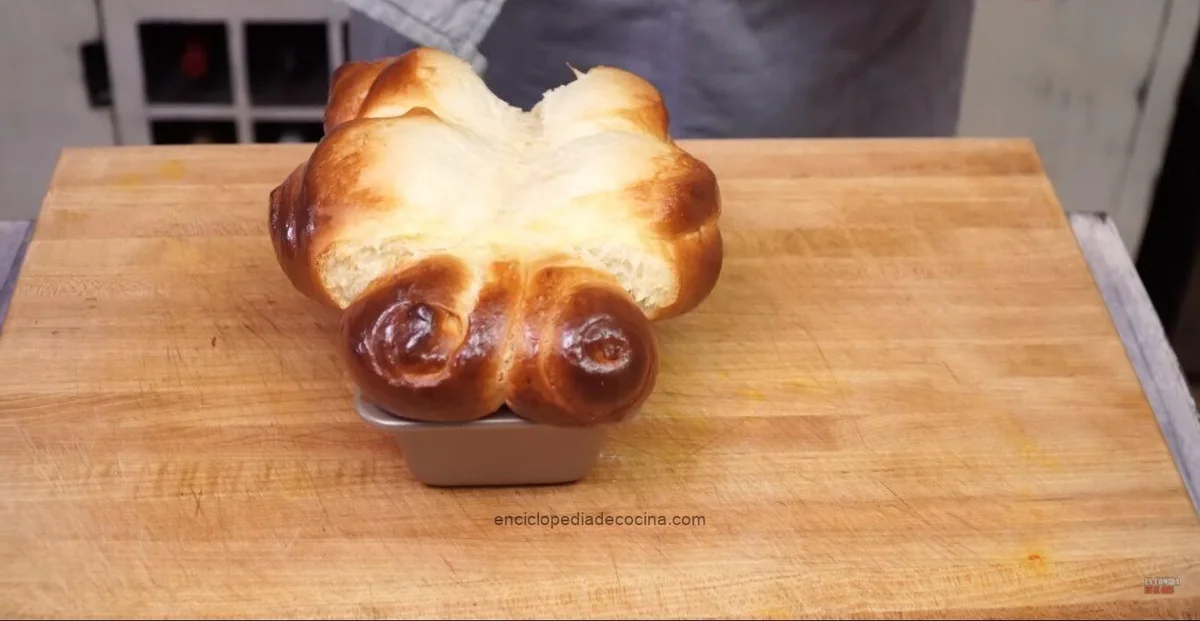
This is a classic yeasted brioche: an enriched, lightly sweet loaf with a soft crumb and golden top. The method is straightforward, making it a useful recipe for learning how enriched dough rises and bakes.
Ingredients
- 240 g (2 cups)plain flour
- 7.5 ml (1/2 tablespoon)fresh yeast
- 2eggs
- 19 g (1 1/2 tablespoons)sugar
- 2.5 ml (1/2 teaspoon)salt
- 57 g (4 tablespoons), plus 14 g (1 tablespoon)butter
- 45 ml (3 tablespoons)water
Instructions
- 1
Combine flour yeast
Sift the flour into a large, warmed bowl. Use your fingers to crumble the fresh yeast into the flour.
- 2
Mix the eggs
In a small bowl, lightly beat the eggs with the sugar and salt using a wooden spoon. Make a well in the flour mixture, pour in the egg mixture and stir to combine.
- 3
Add butter water
Melt 57 g (4 tablespoons) of butter in a small saucepan over low heat; warm it without cooking it. Add the melted butter and warm water to the flour mixture, then beat until smooth and frothy.
- 4
Leave to rise
Cover the bowl with a clean tea towel and leave it somewhere warm for 1 1/2–2 hours, or until the mixture has doubled in volume.
- 5
Prepare the tin
Heat the oven to 220°C. Grease a 500 ml fluted brioche tin thoroughly with the remaining 14 g (1 tablespoon) of butter, using more if needed.
- 6
Bake the brioche
Spoon the risen mixture into the prepared tin, using a spatula to scrape the bowl clean. Place the tin in the centre of the oven and bake for 10 minutes, until the brioche has risen and the top is golden. Reduce the oven to 190°C and bake for a further 20 minutes. Cover the top with foil if it browns too much.
- 7
Check for doneness
Remove the brioche from the oven and insert a skewer into the centre. It is cooked if the skewer comes out clean.
- 8
Cool before turning
Leave the brioche in its tin for 20 minutes to cool before turning it out.
What is brioche?
Brioche is a French-style enriched bread, made with yeast, eggs, sugar and butter. Those additions give it a tender, fine crumb and a richer flavour than a basic loaf.
This old-fashioned version uses a simple batter-like dough and a fluted tin. Its success depends on using the specified amount of fresh yeast and allowing the mixture to double before baking.
Nutrition and macros by portion
The nutrition label shows one serving as written: 1610 calories, 39g protein, 201g carbs, 68g fat.
| Portion | Adjustment | kcal | Protein | Carbs | Fat |
|---|---|---|---|---|---|
| Lighter | Use a smaller slice | 1127 kcal | 27g | 141g | 48g |
| This serving | As written | 1610 kcal | 39g | 201g | 68g |
| Hungry | Serve a larger slice | 2415 kcal | 59g | 302g | 102g |
The flour and sugar provide most of the carbohydrates, while the butter and eggs contribute most of the fat. Eggs and flour provide the bulk of the protein. Balance a slice with fruit and a protein-rich accompaniment such as yoghurt or eggs.
The ingredient choices
Fresh yeast: crumble it directly into the sifted flour so it is distributed through the mixture. The recipe specifically calls for fresh yeast in the stated amount.
Butter: melt the four tablespoons gently for the dough, then use the extra tablespoon to grease the tin. The melted butter should be warm, not cooked or browned.
Mixing the dough
Egg mixture: lightly beating the eggs with the sugar and salt is enough; the method does not call for whipping them. Stir them into the flour and yeast before adding the warm liquids.
Warm water: add it with the melted butter and beat until the mixture looks well combined and frothy. Avoid using hot water, which can make the yeast less effective.
Getting the rise right
Warm place: cover the bowl and leave it undisturbed for 1 1/2–2 hours. The main cue is that the mixture has doubled in volume, rather than simply reaching a particular time.
Ready to bake: scrape the mixture carefully into the greased tin so you keep as much of the risen dough as possible. Grease the fluted sides thoroughly to help the brioche release after cooling.
Baking and checking
Two temperatures: start at 220°C for 10 minutes to encourage the brioche to rise and colour, then reduce to 190°C for 20 minutes. If the top becomes too dark, cover it with foil as directed.
Doneness: insert a skewer into the centre; it should come out clean. Let the brioche stand in the tin for 20 minutes before turning it out.
Serving the brioche
Serve slices plain or with a little butter, jam or honey. For a savoury plate, pair a slice with eggs or cheese and fresh fruit or a simple salad.
The loaf is rich enough to work as breakfast or an afternoon snack, and it can also be toasted once cooled.
Recipe notes & tips
- Warm the large bowl before adding the flour, as the method specifies.
- Measure the fresh yeast carefully and use the quantity given.
- Let the mixture double in volume before transferring it to the tin.
- Grease the fluted tin thoroughly, including its grooves.
- Use foil to shield the top if it colours too quickly.
- Wait the full 20 minutes before turning the brioche out.
Variations
- Citrus zest: add finely grated lemon or orange zest to the egg mixture for a fragrant variation.
- Vanilla: stir a little vanilla into the beaten eggs for a gentle sweet aroma.
- Raisin brioche: fold in a small handful of raisins after the mixture is combined.
- Spiced version: add a pinch of ground cinnamon to the flour for a warm note.
- French toast: slice leftover brioche and use it to make French toast.
Common mistakes to avoid
- Hot melted butter: it can be too harsh for the yeast; let it become warm rather than piping hot.
- Rushing the rise: the mixture may not have doubled yet; allow the full 1 1/2–2 hours if needed.
- Poorly greased tin: the brioche may stick in the grooves; coat the tin thoroughly and add more butter if necessary.
- Over-browning: the top can darken before the centre is ready; cover it with foil and continue baking.
- Skipping the skewer test: the centre may still be underbaked; check that the skewer comes out clean.
- Turning out too soon: the warm brioche can break; cool it in the tin for 20 minutes first.
How to store
Once completely cool, store the brioche in an airtight container at room temperature and eat within 2–3 days. Warm slices briefly in a low oven or toast them; freeze well-wrapped slices for longer storage.
Frequently asked questions
Can I use dried yeast instead of fresh yeast?
The recipe specifies fresh yeast in an exact quantity, so follow that instruction for the intended result. If substituting, use a conversion from the dried yeast packet or its manufacturer rather than matching the volume directly.
How do I know when the mixture has risen enough?
It should have doubled in volume. This may take 1 1/2–2 hours in a warm place.
What size tin should I use?
Use a fluted brioche tin with a capacity of 500 ml, as specified in the method.
Why is the brioche browning too quickly?
The top may be colouring faster than the centre is baking. Cover it with foil, then continue at 190°C.
How can I tell if the brioche is cooked through?
Insert a skewer into the centre; it should come out clean. If mixture clings to it, continue baking and check again.
Can I make this brioche ahead?
Yes. Bake it and let it cool completely, then store it airtight for a couple of days or freeze it well wrapped.
Cook it from the original
This recipe comes from enciclopediadecocina.com. Their page has the author’s own photos, notes and tips — the best place to cook it from.
Open the recipe on enciclopediadecocina.com